Parenting a healthy baby is what parents want, but patients with stomach cancer, whether during the disease or for a period of time after treatment, are best advised not to become pregnant. Pregnancy is usually not recommended for patients with stomach cancer, and if it is discovered during pregnancy in those who are already pregnant, they need to be treated with caution.
Evaluating disease and pregnancy
Once gastric cancer is detected during pregnancy, the first step is to have a detailed examination by both an oncologist and an obstetrician/gynecologist to assess the stage of disease and pregnancy for gastric cancer. Although there are no reports in the literature related to the metastasis of gastric cancer to the fetus, it is not recommended to continue the pregnancy if the patient requires surgery or medication. This is because surgery during pregnancy is extremely risky and difficult, and faces risks such as abnormal blood clotting and immunosuppression. Moreover, oncology drugs are toxic to the fetus and can cause serious problems such as fetal malformations. Therefore, if you are already pregnant, it is recommended to terminate the pregnancy as soon as possible after the discovery of gastric cancer.
Of course, it depends on the timing of the pregnancy. In a Japanese study that summarized the treatment of patients with gastric cancer detected during pregnancy over 20 years, most patients with gastric cancer before 24 weeks of gestation (7/9 cases) were treated surgically after termination of pregnancy, while all patients with gastric cancer above 27 weeks of gestation were treated by cesarean section or transvaginal delivery (13/13 cases), and 2 patients at 24 to 27 weeks of gestation were treated by cesarean section (2/2 cases). Notably, the survival rate for pregnancy-related gastric cancer was much lower than the average survival rate for gastric cancer during the same period, meaning that pregnancy is very detrimental to the outcome of gastric cancer treatment. 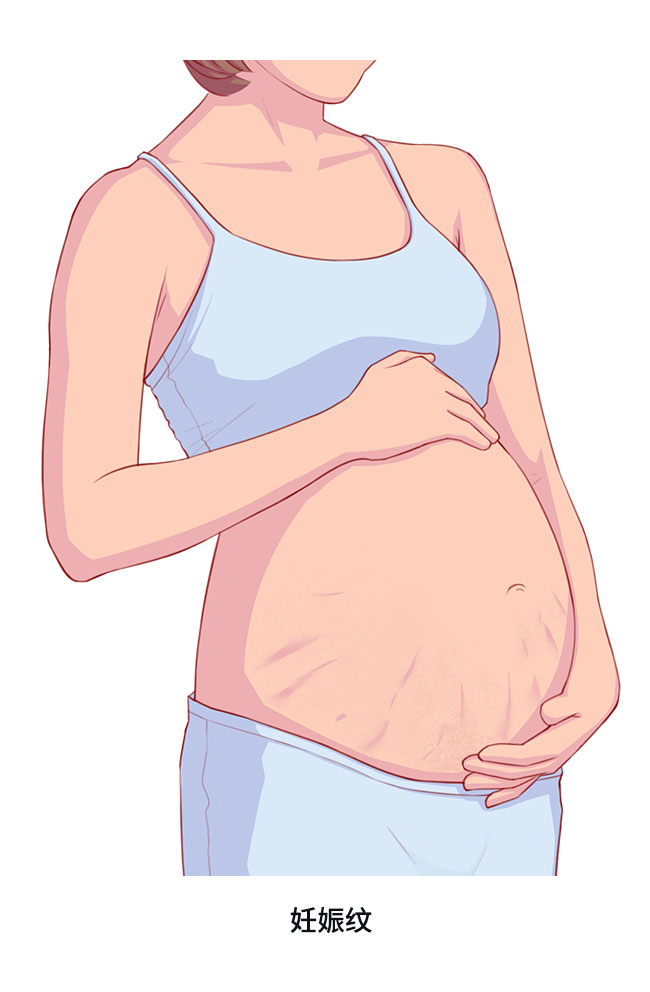
Gastric cancer in pregnancy often delays diagnosis
Gastric cancer in pregnancy is a rare clinical condition. prior to 1992, only 70 more cases were reported abroad, and there have been few new reports since then. In the 1990s, statistics from the First Hospital of China Medical University showed that gastric cancer in pregnancy accounted for 0.97% of all gastric cancers in the same period. Due to the low incidence of combined gastric cancer during pregnancy, clinicians are inexperienced and prone to misdiagnosis. Factors contributing to the delayed diagnosis of pregnancy-associated gastric cancer include:
- The low incidence of pregnancy-associated gastric cancer is such that gastric cancer is often not the first diagnostic impression in patients presenting with upper gastrointestinal symptoms during pregnancy.
- Stomach cancer symptoms are easily masked by pregnancy-related digestive symptoms. Decreased gastric acid production and increased mucus secretion in the stomach during pregnancy, along with histamine-degrading enzymes produced by the placenta, make patients less susceptible to ulcerative damage in the stomach. Epigastric discomfort during pregnancy does not attract sufficient attention, thus delaying the diagnosis of gastric cancer.
- Diagnostic measures are limited by pregnancy. Radiology is contraindicated during pregnancy, and the safety of endoscopy is controversial.
- The thinking of clinicians in all disciplines is mostly limited to the disease of the department and is not yet able to adequately perform a comprehensive analysis. For example, obstetricians and gynecologists consider nausea and vomiting during pregnancy as pregnancy reactions first and foremost, and lack comprehensive inferences about the presence of other concomitant symptoms. Objectively speaking, given the complexity of gastric cancer in pregnancy itself, it is difficult for clinicians to achieve accuracy in the first diagnosis.
- Gastric cancer in the young population is often characterized by high malignancy, early metastasis, short course and rapid progression, and once detected late, the prognosis is often poor.
Case presentation
.
One case is presented. A 29-year-old female patient presented with nausea and vomiting of 4 months’ duration and 8 days’ duration. The patient presented to the obstetrics and gynecology clinic in the 10th week of pregnancy with nausea and vomiting of gastric contents and inability to eat, and was diagnosed with “hyperemesis gravidarum” and given symptomatic treatment.
At 26 weeks of gestation, the patient’s nausea and vomiting continued to worsen, with vomiting occurring after eating or drinking, along with weakness, black stools, and bilateral lower extremity edema.
A surgical exploration revealed that the mass in the pylorus of the stomach had invaded the head of the pancreas and was accompanied by enlarged lymph nodes behind the head of the pancreas, and the surgeon performed an extended pancreaticoduodenectomy. The postoperative pathology showed that the gastric cancer invaded the plasma membrane and surrounding tissues with lymph node metastasis and cancer nodes.
The patient was terminated 20 days after surgery and transferred to medical oncology for continued treatment. Unfortunately, the patient died of tumor progression 2 months after surgery, pregnancy termination, and anti-tumor drugs.
To summarize, pregnancy often leads to delayed diagnosis of gastric cancer, and although there are case reports of successful deliveries in patients with gastric cancer, all things considered, it is not advisable to continue pregnancy in patients with gastric cancer, but rather to consult a physician and choose a treatment strategy under his or her guidance.