Not every child makes it through early childhood, childhood, and then adulthood. After birth, every child is at risk for a variety of diseases.
In addition to minor illnesses and disasters, some children are unfortunate enough to get serious, life-threatening illnesses.
The pediatric blood ward of Wuhan Union Hospital has treated too many of these children.
Behind every child is an overburdened family
Some blood-related diseases are a huge threat to children, such as childhood leukemia, lymphoma, and other hematologic malignancies. When a child has the disease, each family experiences tremendous changes with the child’s treatment.
The National Health Commission announced in a press conference in 2018 that the incidence of childhood leukemia (under 15 years old) in China is about 4-5 per 100,000; if it is expanded to under 18 years old, there are about 15,000 new cases each year.
More than 80% of the patients in the pediatric hematology ward at Wuhan Union Medical College Hospital are children with leukemia. Acute leukemia in children starts rapidly, and children may develop fever, bleeding, anemia, swollen lymph nodes, and even die. The treatment of leukemia lasts about 2.5 to 3 years.
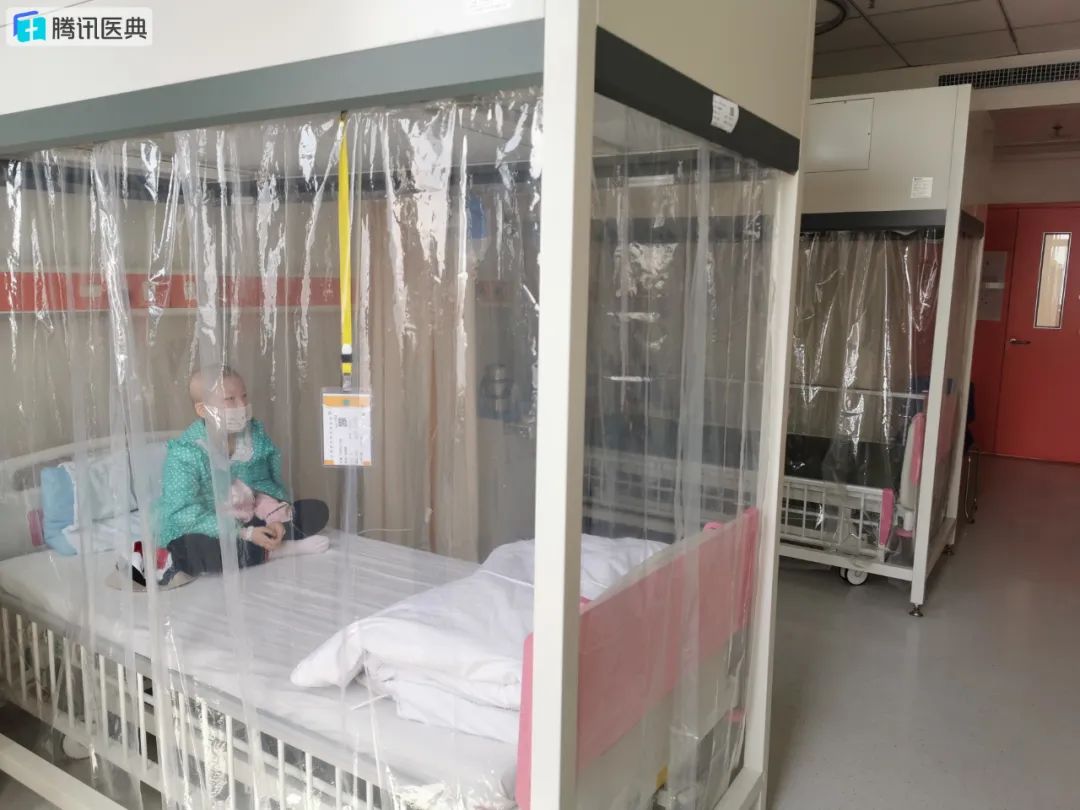
(During the outbreak, children could not go out of the ward to play in the activity room as usual)
Wuhan Union Hospital has many families from other provinces and cities seeking medical care, and they often lack financial, psychological and life support in all aspects.
In addition, compared to adult patients, pediatric patients require more care, “especially younger children, we have little babies here for a few months, or one or two years old, and each child needs at least one parent to watch and another parent to deliver meals, which becomes a family of three who can’t do anything and must be around the treatment of that child. ” Li Li, head nurse of the pediatric blood ward at Wuhan Union Hospital, said.
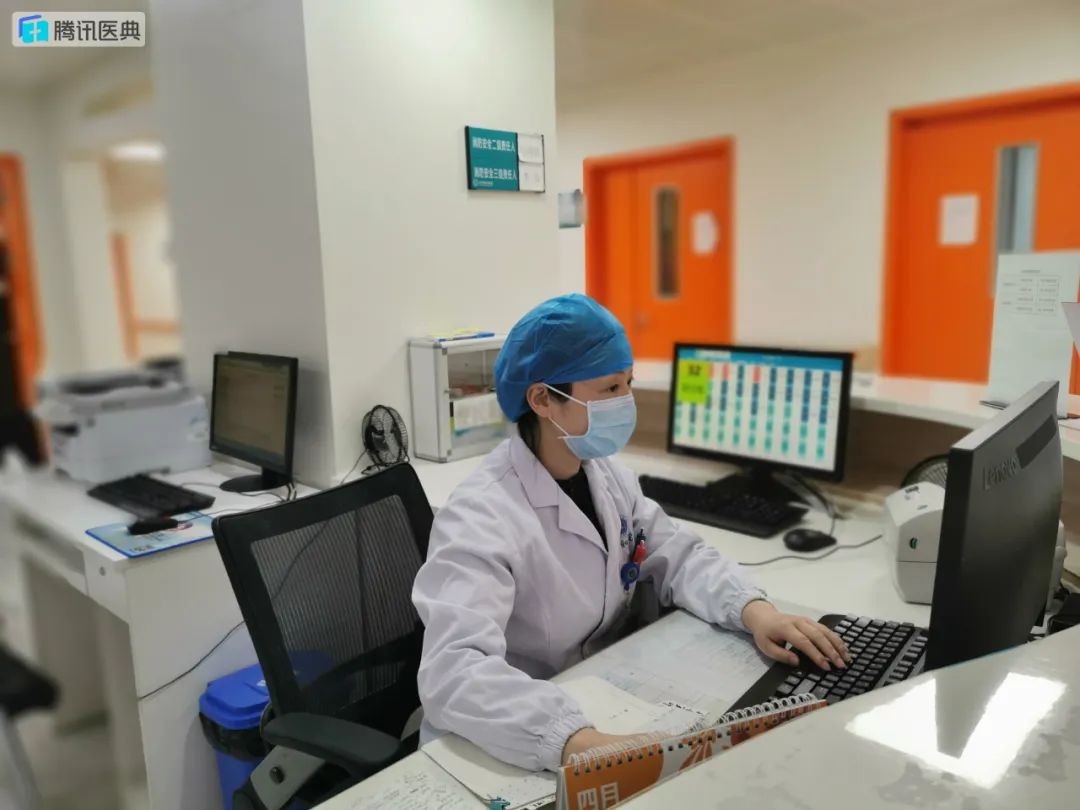
(Li Li at work)
“Mom I don’t want to treat the disease, I want to leave the money to my sister”
Lili has been a nurse in pediatrics for 23 years, and in October 2015, she began her role as head nurse in the pediatric blood unit. She says her role is more like that of a classroom teacher relative to the more amiable nurses – often amiable, but also must be strict.
Lili said that for leukemia, children are better treated than adults, and in the case of acute lymphoblastic leukemia, for example, the 5-year disease-free survival rate has reached more than 87 percent in the unit where she works, “so aggressive treatment is going to get these kids back to a normal life.”
She once met a very memorable child named Xiaoqian (a pseudonym).
The family is a family with a younger sister from a remote urban area, and in 2014, at the age of 7, Xiaoqian was diagnosed with leukemia and underwent multiple chemotherapy treatments. The cost of treatment put enormous pressure on the family, and Xiaoqian’s mother set up a stall near the hospital, selling down jackets to subsidize the family, but because she was often in the hospital taking care of Xiaoqian, she didn’t actually have much time to take care of it.
The understanding Xiaoqian told Li Li that his wish before he got sick was to be a police officer when he grew up, but now he wants to be a businessman and make a lot of money so his parents don’t have to run around borrowing money for his medical care.
After Xiaoqian was discharged from the hospital, he starred in and co-wrote the public service children’s film “The Other Me in the World” at the recommendation of Li Li, and that role was as powerful as he wanted it to be – during the day he was the sick and hospitalized Xiaoqian, and at night he entered another world to help his little sick friends defeat the sick little monsters.
Li Li saw Xiaoqian in the hospital again in 2017 because he had a relapse of acute lymphoblastic leukemia. After his hospitalization this time, Xiaoqian told his mother, “I don’t want to be cured, I’ll leave the money to my sister, don’t spend all the money in the family.” Li Li, along with medical staff and social workers, will raise a sum of money for Xiaoqian and his family, but the child eventually did not wait for a bone marrow transplant and his condition deteriorated rapidly.
In the ICU, Li Li spent Christmas Eve that year with Xiaoqian.
The child’s last wish was to go home, and she watched with tears as the ambulance took the small but resilient child away, and the next day Xiaoqian became the brightest star in the sky.
Before Xiaoqian’s relapse, Li Li had received a large package of unsold down jackets from Xiaoqian’s mother to give to the children and families in the ward.
May the time live up to the spring
The epidemic hit, and the pediatric blood ward had some difficulties.
Because the children here are generally weak in resistance, the medical staff had to take a lot of strict management measures to protect them from the new coronavirus.
Before, families would bring meals to the children in order to give them more nutrition and to bring something they wanted to eat. But during the epidemic, that wasn’t allowed anymore.
Sometimes the children run out of milk powder and the accompanying families can’t go out to buy it, so the nurses take the initiative to help them buy it from nearby supermarkets, which eventually close. Let them be able to feel that we are in the same boat, together to get through the difficult times.”
On weekdays, the department organizes a medical social worker-led play program to ease children’s fears of medical supplies and handling through play. Activity rooms with toys and books are open. But all of that was shut down during the outbreak, and they couldn’t go out into the hallways to play as usual.
At first, the children often asked the doctors and nurses why the activity rooms weren’t open and why their older siblings, the volunteers they often met with, didn’t show up. In January and February, when the epidemic was at its worst, the unit reassigned children to a separate room in order to prevent infection from the movement of people.
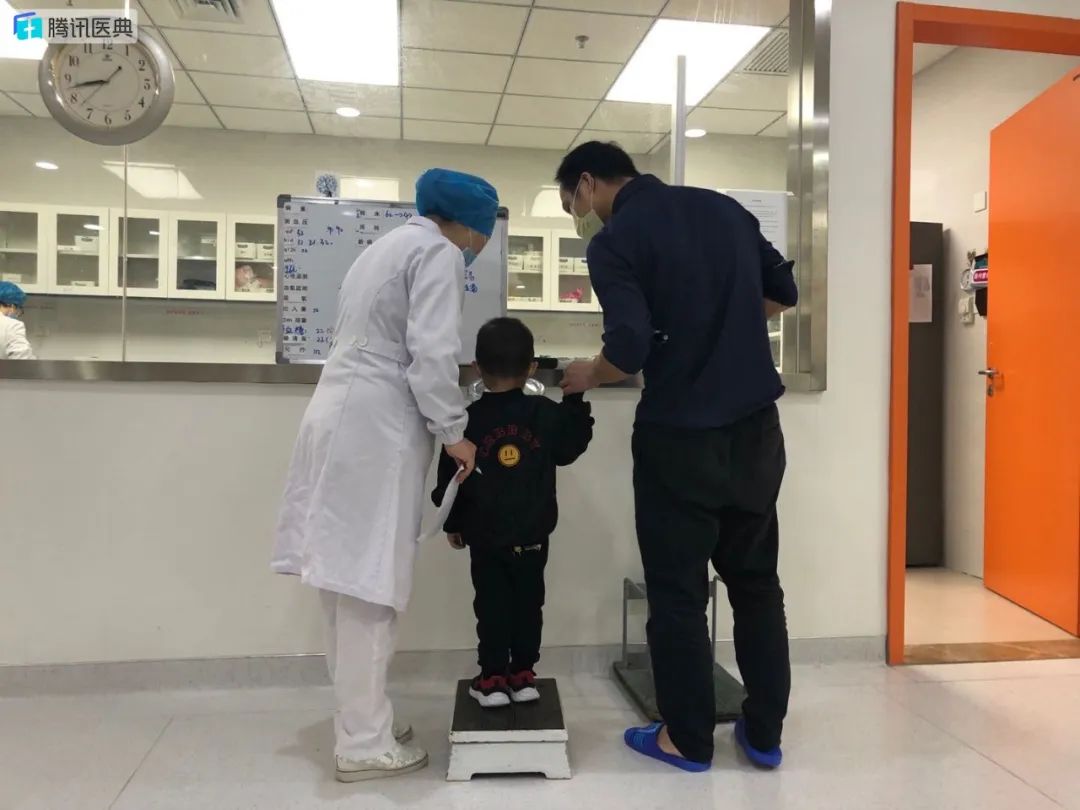
(The children’s range of motion is limited to the hospital room, and weighing is one of the rare times of day when they can get out of their rooms)
Slowly, the children learned about and accepted the changes brought about by New Coronary Pneumonia from TV, cell phones, and the daily routine of the hospital.
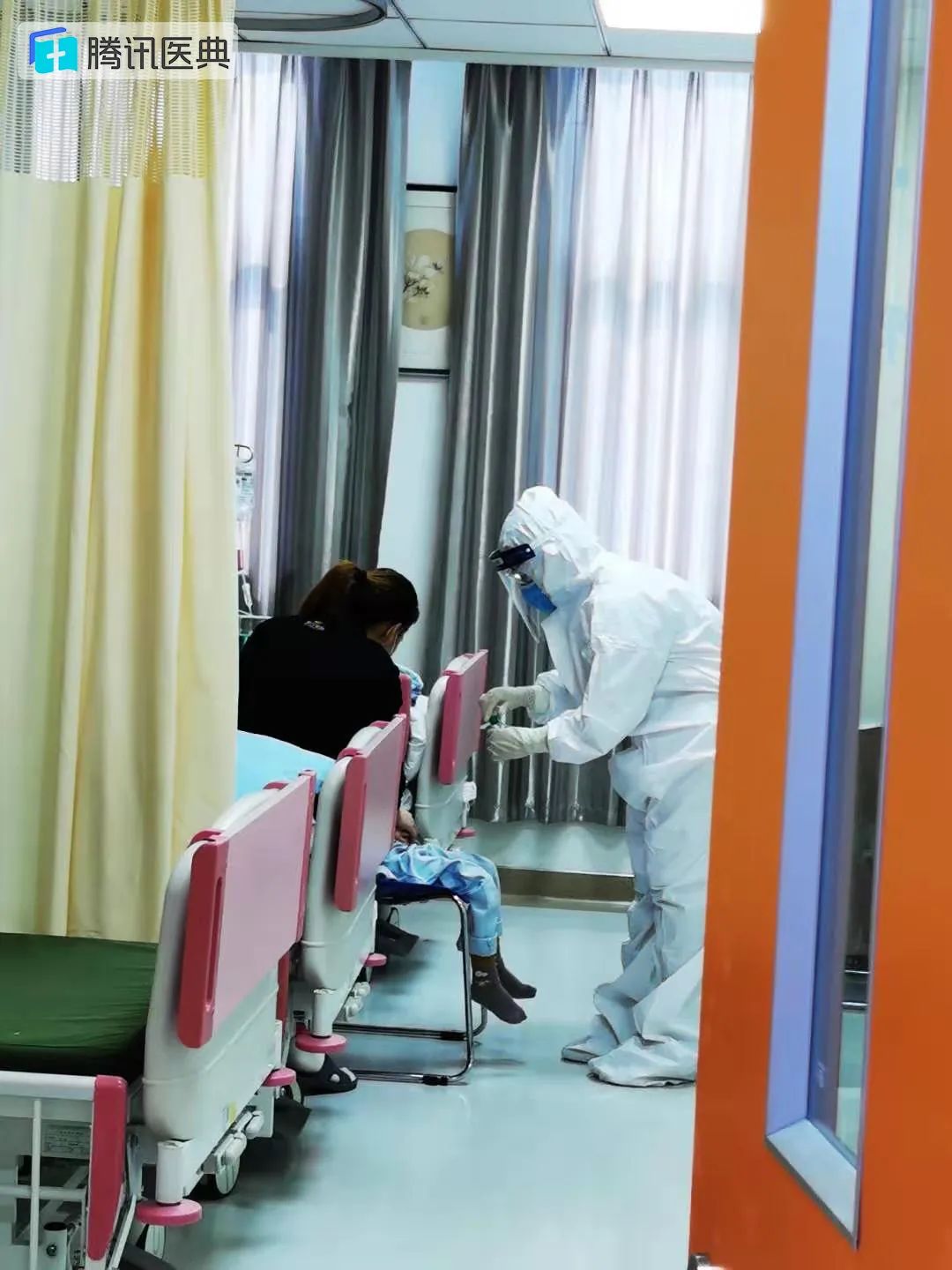
(Professor Xiaoyan Wu, deputy chief of pediatrics, prepares to perform an operation on a child in isolation during the epidemic)
The epidemic has certainly added to the woes of most families with affected children, and some general problems have emerged: on the one hand, out-of-hospital patients cannot be admitted to the hospital in time, and on the other hand, inpatients cannot be discharged normally.
One day, Li Li received a call from several “resident children” in the province, telling her that the internal infusion port needed maintenance and that the local hospital did not have the necessary supplies and could not come to Wuhan, so she had to ask for help.
Li originally planned to send the medical supplies to the child’s home, but it was a sharp medical instrument, which was risky and inappropriate. She then went to a WeChat group formed by doctors specializing in pediatric hematology and oncology at regional hospitals in Hubei province to ask if the supplies could be sent to each hospital and taken over by the director or a nurse practitioner with operational skills. “We all hadn’t crossed paths above our work before, but at this time they all showed full commitment and responsibility, and they all agreed to do so in order to solve the patient’s difficulties.”
The next problem was the mail, and almost all couriers had stalled. The company has been working on a number of projects, including the first one in the world.
But even patients who live in Wuhan can face situations where they cannot get to the hospital. One young patient’s catheter bled back, and the parents called the hospital anxiously to complain about why it was bleeding back. If they want to come to the hospital, they need to report to the community, and they are anxious about vehicle control and the risk of infection on the road.
PICC catheters that take too long to bleed back are prone to blockage, and when they do, they create a barrier to subsequent chemotherapy and face a host of issues such as replacing the catheter and whether it can be reinserted successfully.
Lili worked with the parents to analyze the possible causes of the reflux, assigning a key nurse to personally instruct the parents on home treatment methods, “Our guess is that the catheter valve structure that prevents reflux has lost its function, and once the child coughs hard, or moves hard with increased pressure, it leads to reflux.” All of these issues have been complicated by the outbreak.
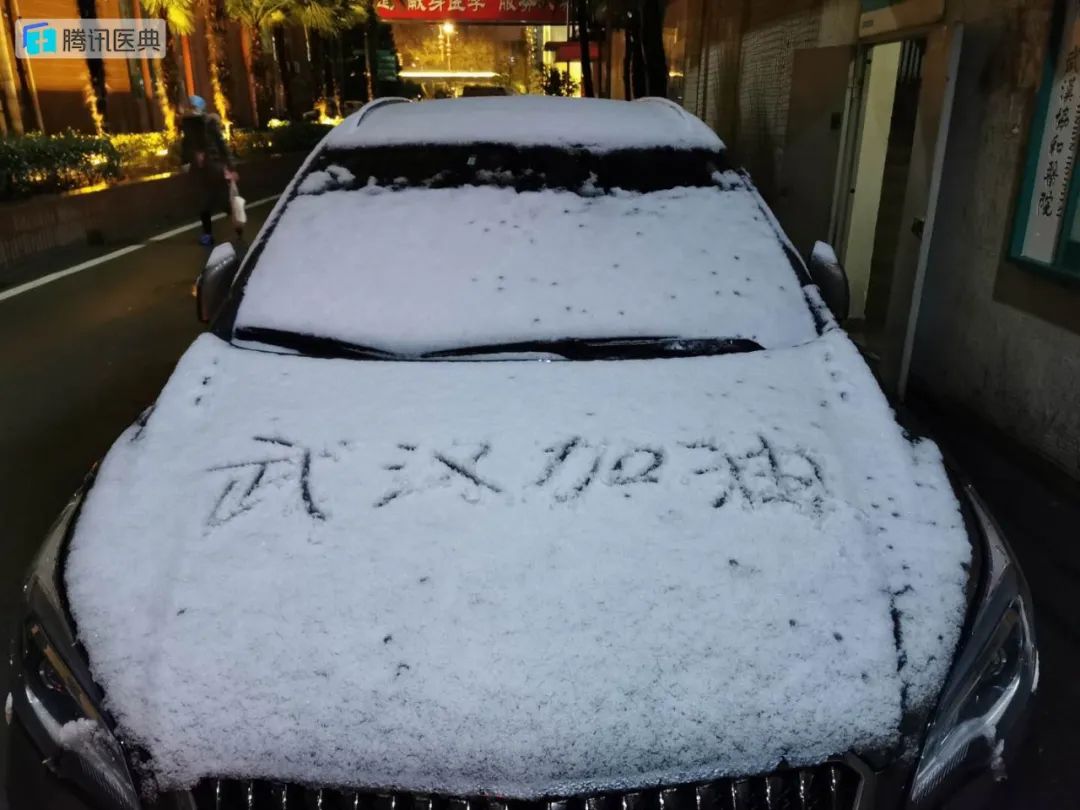
(On Feb. 16, it snowed in Wuhan, and after work at night, Li Li wrote the words “Go Wuhan” on a car in the hospital)
Because of Wuhan’s closure, some families from other provinces were unable to return home after completing treatment during New Year’s Eve. The pediatric blood ward has 77 beds in 2 wards, and at most, 58 children had to stay in the hospital.

(Drawing by Li Li’s colleague’s wife during the outbreak)
At the same time, of the 36 nurses in the unit, 15 of the “best and brightest” were sent to support the new coronary pneumonia admissions, excluding three nurses who were on maternity leave and otherwise unable to work. The remaining 16 nurses were responsible for two wards, and the workload increased dramatically. The workload increased dramatically, with the nurses starting to work as soon as they got to work and not being able to breathe until the end of the day.
“The greater pressure and workload comes from the prevention and control, the road is depressed and bleak, there are many unknowns every day, many problems to solve, all of which have not been encountered before, no experience, no reference, it is up to you to figure it out, worrying about colleagues, family, patients and yourself being infected.” Li Li said. In order to protect her body, she often has to drink the Chinese medicine issued by the unit.
The inability to be discharged normally also meant that patients who needed inpatient care faced a lack of beds. It was in those days that staff from the Aiyou Foundation also approached Li Li and offered to provide some help. Li Li then told the foundation about the needs of these patients.
The foundation contacted a rental company to set up the Aiyou “Halfway House” apartment, and on February 8, the first family with an approved child moved in, and more families moved in, easing the pressure on the hospital and the families’ emotions.
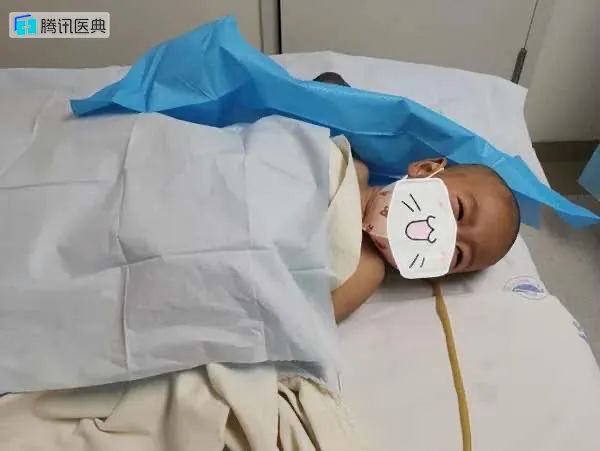
(A child in the pediatric hematology ward)
With the unsealing of Wuhan and the gradual return to normalcy in the pediatric hematology ward, the department has become increasingly busy as the number of new patients admitted each day has gradually grown to about five in a state where prevention and control are a priority.
During this time of traffic restrictions, Li Li’s friend lent her an electric scooter. The company’s main goal is to provide a platform for the development of a new generation of people who are interested in the future. The company’s main goal is to provide a better solution to the problem.
Every child is an angel who comes to earth. Li Li and her colleagues must do their best when administering treatment and care, but if more people are willing to help children with leukemia with the cost of treatment, these lovely little angels can stay on earth for a long time, going to school, falling in love …… and growing old like ordinary people. Angels should be on earth!
Click “I want to donate” below to go to Tencent to donate for the little angel with leukemia.