
Which advanced breast cancers can be treated with targeted therapy?
Targeted therapy must have a target. The current primary therapeutic target for breast cancer is human epidermal growth factor receptor-2 (HER-2), and in the absence of this target, targeted therapy against HER-2 is usually not considered.
Can HER-2-positive breast cancer that has received targeted therapy be treated directly with targeted therapy once metastasis or recurrence occurs? Does it necessarily mean that targeted therapy cannot be considered in HER-2 negative cases? The answer is no. Because the HER-2 status of relapsed or metastatic lesions will change, it can be changed from present to absent, or from negative to positive, the percentage of change is about 10% to 15%. The original purpose of targeted therapy is to individualize treatment, so once a recurrence or metastasis is detected, in addition to routine testing, a biopsy puncture is usually performed to clarify the HER-2 status again to guide whether targeted therapy can be received.
With chemotherapy, should I also consider targeted therapy?
Advanced breast cancer is generally treated with targeted anti-HER-2 therapy as long as it is HER-2 positive, and in Europe and the United States targeted therapy is even a priority. Previously, in China, it was sometimes difficult to use targeted drugs because of cost, but now that trastuzumab has entered the medical insurance list, the cost threshold for targeted therapy for advanced breast cancer has been greatly reduced. For advanced breast cancer where trastuzumab has not been used, trastuzumab in combination with chemotherapy is recommended.
Can targeted therapy be used in combination with endocrine therapy?
.
First, the choice of targeted anti-HER-2 therapy is contingent on HER-2 positivity and endocrine therapy is contingent on hormone receptor positivity, and even in “triple-positive” advanced breast cancer with HER-2+/HR+, anti-HER-2 therapy in combination with chemotherapy is still preferred. However, when the patient is intolerant to chemotherapy or the tumor is progressing slowly, the physician may consider targeted therapy in combination with endocrine therapy.
What are the preferred targeted therapy options for advanced HER-2-positive breast cancer?
Trutuzumab in combination with patuximab (the latter is not available in China) is an option for dual-targeted therapy, along with paclitaxel (paclitaxel, docetaxel), or other chemotherapeutic agents, such as anthracyclines (liposomal doxorubicin), vincristine, capecitabine, gemcitabine, etc.
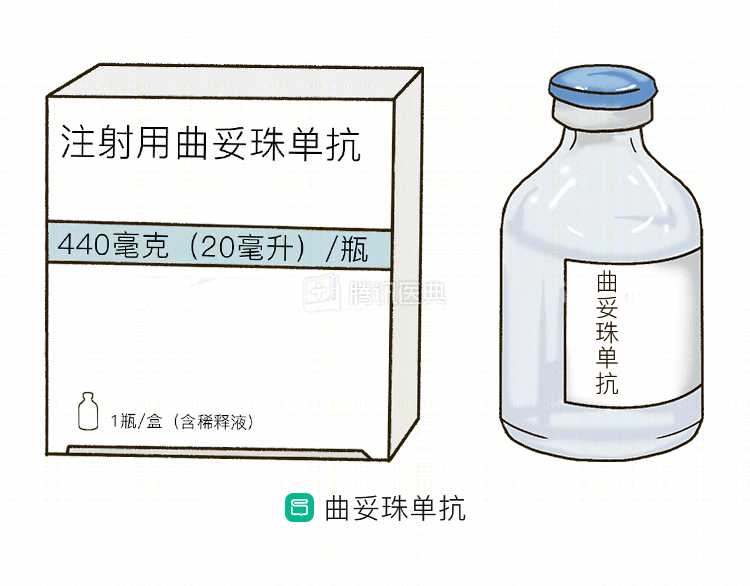
What to choose after progression of targeted therapy for advanced breast cancer?
The first choice is T-DM1, which is not yet available in China and is an antibody-coupled drug that combines both trastuzumab and an anti-microtubulin drug.
When T-DM1 is not available, trastuzumab combined with another cytotoxic agent, such as a paclitaxel, or another multi-targeted targeted agent, lapatinib, in combination with oral chemotherapy, capecitabine, or lapatinib can be added to trastuzumab, another dual-targeted therapy.
Is it possible to interrupt targeted therapy?
Targeted therapies are expensive, and in order to strike a partial balance between financial stress and efficacy, a temporary interruption of therapy may be considered if the tumor is in complete remission for several years after treatment, followed by targeted therapy if it progresses again.
For those with an interval between discontinuation of trastuzumab and relapse greater than 12 months, the tumor is considered relatively sensitive to response to targeted therapy, so the physician may prefer trastuzumab, or dual-targeted therapy with trastuzumab and patuximab in combination with chemotherapeutic agents. If the interval between recurrences is no more than 12 months, indicating that they are progressing more rapidly, other anti-HER-2 regimens are usually chosen for treatment.