Approval Date: September 29, 2009
Revision Date: March 15, 2013
Revision date: July 13, 2014
Revision date: October 20, 2016
Revision Date.
Olanzapine orally disintegrating tablets instructions
Please read the instruction manual carefully and use under the guidance of your physician.
Warning statements
The use of atypical antipsychotics to treat older patients with dementia-related psychotic disorders increases the risk of death. An analysis of 17 placebo-controlled clinical trials (mean treatment duration 10 weeks) in older patients with dementia-related psychotic disorders found that the risk of death was 1.6-1.7 times greater in the drug-treated group than in the placebo-controlled group. In a typical 10-week controlled clinical trial, the mortality rate was 4.5% in the drug-treated group and 2.6% in the placebo-controlled group. Although the causes of death varied, most deaths were due to cardiovascular disease (e.g., heart failure, sudden death) or infection (e.g., pneumonia). Observational studies have shown that, similar to atypical antipsychotics, the use of typical antipsychotics increases mortality. The results of increased mortality in observational studies may be that the characteristics of some patients using antipsychotics are unclear. Olanzapine is not approved for the treatment of dementia-related psychotic disorders (see [Precautions]).
[Drug Name].
Generic Name: Olanzapine orally disintegrating tablets
Trade Name: Zyprexa
English Name: Olanzapine Orally Disintegrating Tablets
Hanyu Pinyin: Ao Dan Ping Kou Beng Pian
[Ingredients].
Chemical Name: Olanzapine
Chemical structure formula: 2-methyl-4-(4-methyl-1-piperazinyl)-10H-thieno[2,3-b] [1,5]benzodiazepine style=”color:black”>
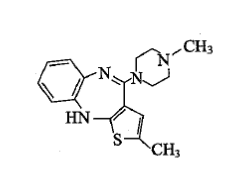
Molecular Formula: C17H20N4S
Molecular weight: 312.43
[Properties] This product is a round yellow lyophilized tablet
[Indications].
Olanzapine is indicated for the treatment of schizophrenia.
For patients for whom initial treatment with olanzapine is effective, consolidation therapy is effective in maintaining clinical symptom improvement.
Olanzapine is indicated for the treatment of moderate to severe manic episodes.
Olanzapine may prevent relapse of bipolar disorder in patients with manic episodes for whom olanzapine treatment is effective.
[Specifications]5mg, 10mg, 15mg, 20mg
[Dosage].
Adults
Schizophrenia.
The recommended starting dose of olanzapine is 10 mg/day once a day.
Manic episodes.
The recommended starting dose is 15 mg in monotherapy and 10 mg once a day in combination therapy.
Prevention of bipolar disorder relapse.
The recommended starting dose is 10 mg/day. For patients treated with olanzapine for manic episodes, the maintenance therapy dose for relapse prevention is the same as before. For new manic episodes, mixed episodes, or depressive episodes, olanzapine therapy should be continued (with appropriate dose adjustments if needed), along with co-adjuvant treatment of affective symptoms according to clinical indications.
The therapeutic dose for schizophrenia, manic episodes, and relapse prevention in bipolar disorder can be adjusted within a dose range of 5-20 mg/day depending on the individual clinical situation. Dosing from the recommended starting dose is recommended only after appropriate clinical reassessment and at intervals of not less than 24 hours. Olanzapine should be administered without regard to feeding factors, and food does not affect absorption. Gradual dose reduction should be considered at the time of discontinuation.
Olanzapine orally disintegrating tablets should be placed in the mouth and rapidly dispersed in saliva, so they are easily swallowed. It is difficult to spit the complete orally disintegrating tablet out of the mouth. Because orodispersible tablets are fragile, they should be taken immediately after opening the package. Orally disintegrating tablets can also be placed in a glass of water or other suitable beverage (such as orange juice, apple juice, milk, or coffee), dispersed, and taken immediately.
Olanzapine orally disintegrating tablets are bioequivalent to olanzapine regular tablets and have a similar rate and degree of absorption. The dose and frequency of administration are also the same as for the regular tablets. Olanzapine orally disintegrating tablets can be used as an alternative to olanzapine regular tablets.
Special Populations
Patients with renal and/or hepatic impairment
Lower starting doses (5 mg) should be considered in these patients. The starting dose in patients with moderate hepatic insufficiency (cirrhosis, Child-Pugh class A or B) is 5 mg and should be increased with caution. Smokers The starting dose and dose range for nonsmoking patients generally do not need to be adjusted relative to smokers. Smoking induces olanzapine metabolism, and clinical evaluation is recommended to consider increasing the dose of olanzapine if needed. When more than one factor that may slow metabolism is present (female, elderly, nonsmoker), a lower starting dose should be considered. Dose increases should also be conservative when needed. If 2.5 mg is needed as an increasing dose gradient, olanzapine generic tablets should be used. [Adverse Reactions]. Adults The most common (occurring in clinical trials reported in association with the use of olanzapine style=”font-family:Times New Roman”>≥ 1 %of patients) adverse reactions associated with olanzapine use were drowsiness, weight gain, eosinophilia, elevated prolactin, cholesterol, glucose and triglyceride levels, glycosuria, increased appetite dizziness, inability to sit still, Parkinson’s disease, leukopenia, neutropenia, dyskinesia, postural hypotension, anticholinergic effects, transient asymptomatic elevation of hepatic transaminases, rash, malaise, fatigue, fever, arthralgia, increased alkaline phosphatase, gamma –increased glutamyl transpeptidase, hyperuricemia, hypercreatine phosphokinase, and edema. Adverse Reaction List The following table lists adverse reactions from spontaneous reports and clinical trials and laboratory test results. Within each frequency group, adverse reactions are listed in order of decreasing severity. The frequency terms listed are defined as follows: very common (≥ 1/10), common (≥ 1/100to<1/ 10), occasional (≥ 1/1000to<1/ 100), rare (≥ 1/10000to<1 /1000), very rare (< 1/10000), unknown (cannot be estimated from available data). Very common Common < strong>occasional Rare unknown Diseases of the blood and lymphatic system < td style="padding-left: 7px; padding-right: 7px; border-top: none; border-left: none; border-bottom: solid 0.5pt; border-right: solid 0.5pt"> Eosinophilia Leukopenia10 Neutropenia10 Thrombocytopenia11 Immune System Disorders < td style="padding-left: 7px; padding-right: 7px; border-top: none; border-left: none; border-bottom: solid 0.5pt; border-right: solid 0.5pt"> Allergic reactions Metabolic and nutritional disorders weight gain1 Elevated cholesterol levels2,3 Elevated blood glucose levels4 Elevated triglyceride levels =”font-family:Times New Roman”>2,5 Diabetes Increased appetite Presenting with diabetes or worsening diabetes occasionally accompanied by ketoacidosis or coma, including some fatal cases11 Hypothermia < strong>Neurological Disorders drowsiness Glare Sitting still is not possible Parkinson’s syndrome6 Motor Disorders6 Epilepsy, in most cases reporting a history of seizures or having risk factors for seizures11< span style="font-size:12pt"> Dystonia (including eye rotation > Late onset dyskinesia11 Forgotten Dysarthria Restless Leg Syndrome < span style="font-family:Arial; font-size:10pt">Neural blocker malignant syndrome< sup>12 Discontinuation reactions7,12 < strong>heart disease Bradycardia QTc interval extension Ventricular tachycardia/Ventricular fibrillation, sudden death11 Vascular disease Postural hypotension10 Thromboembolism (including pulmonary embolism and deep vein thrombosis) Respiratory, thoracic, and mediastinal disorders Epistaxis9 > Gastrointestinal Disorders Mild transient anticholinergic effects, including constipation and dry mouth < span style="color:black; font-size:10pt">Bloating9 Pancreatitis11 Hepatobiliary disease < span style="font-family:Arial">hepatic transaminases (ALT, AST) is transiently and asymptomatically elevated, especially in the early stages of treatment < span style="color:black; font-size:10pt">Hepatitis (including hepatocellular, cholestatic or mixed liver injury) < strong>Dermal and subcutaneous tissue disorders Rash Photosensitive reactions Drug reactions with eosinophilia and systemic symptoms (DRESS) Musculoskeletal and connective tissue disorders Joint Pain9 Rhabdomyolysis11 Kidney and urinary tract disorders Urinary Incontinence, Urinary Retention Voiding Hesitancy11 Pregnancy,Postpartum and perinatal disorders Neonatal withdrawal syndrome Reproductive and breast disorders Erectile dysfunction in men Amenorrhea Breast enlargement Female breast overflow Feminization of the male breast/Breast enlargement < span style="font-family:Arial">Abnormal erection12 < tr> Systemic and delivery site diseases Powerless Fever10 Lab Tests Elevated plasma prolactin levels8 Elevated alkaline phosphatase “font-size:10pt”>10 Elevated creatine phosphokinase11 γ–Elevated glutamyl transpeptidase10 Elevated uric acidElevated uric acid increased total bilirubin 1 Clinically significant increases in body weight were observed in all baseline body mass index (BMI) categories. After short-term treatment (median duration of 47 days), weight gain ≥7% of baseline weight was very common (22.2%), ≥15% was common (4.2%), and ≥25% was occasional (0.8%). Patient weight gain of ≥7%, ≥15%, and ≥25% of baseline weight was very common (64.4%, 31.7%, and 12.3%, respectively) after prolonged exposure (at least 48 weeks). 2 The mean elevated fasting lipid values (total cholesterol, LDL cholesterol, and triglycerides) were greater in patients without evidence of abnormal lipid regulation at baseline. 3 Fasting total cholesterol levels were observed from normal (<5.17 mmol/l) to elevated (≥ 6.2 mmol/l) at baseline. It was common for fasting total cholesterol levels to range from a critical value at baseline (≥ 5.17 – < 6.2 mmol/l) to high (≥ 6.2 mmol/l). 4 For fasting blood glucose levels from normal at baseline (<5.56 mmol/l) to elevated (≥7 mmol/l) was observed. In fasting blood glucose changed from the baseline threshold (≥ 5.56 -<7 mmol/l) to elevated (< span style="font-family:Times New Roman">≥ 7 mmol/l) is very common. 5 Fasting triglyceride levels were observed from normal (<1.69 mmol/l) to elevated (≥ 2.26 mmol/l) at baseline. A change in fasting triglycerides from the baseline threshold (≥ 1.69 mmol/l -<2.26 mmol/l) to elevated (≥ 2.26 mmol/l) was very common. 6 In the clinical trial, higher values for the prevalence of Parkinson’s syndrome and dystonia were seen in the olanzapine-treated group of patients, but there was no statistically significant difference between them and the placebo group. The incidence of Parkinson’s syndrome, sedentary inability, and dystonia was lower in olanzapine-treated patients compared to the titrated dose group of haloperidol. In the absence of detailed information on the individual patient’s history of acute and delayed extrapyramidal movement disorders, it is not possible to conclude that olanzapine is less likely to cause delayed dyskinesia and/or other delayed extrapyramidal syndromes. 7 Acute symptoms such as sweating, insomnia, tremor, anxiety, nausea, and vomiting have been reported when olanzapine is abruptly discontinued. 8 In up to12weeks of clinical trial, approximately 30% of olanzapine-treated patients had plasma prolactin concentrations above the upper limit of the normal range, whereas their baseline prolactin values were normal. The majority of these patients had milder elevations, remaining below twice the upper limit of the normal range. 9Adverse events identified from clinical trials in the olanzapine comprehensive database. 10as assessed by measurements from clinical trials in the olanzapine comprehensive database. 11Adverse events identified from spontaneous postmarketing reports, the incidence of which was determined using the olanzapine comprehensive database. 12Adverse events identified from spontaneous postmarketing reports with incidence rates using the comprehensive olanzapine database atthe upper limit of the 95%confidence interval was estimated. Long-term exposure (at least48weeks) Present weight gain, blood glucose, total/low density/ The proportion of patients with adverse reactions and clinically significant changes in HDL cholesterol or triglycerides increased over time. In adult patients who completed 9-12months of treatment, the mean rate of glucose increase was between approximately =”font-family:Times New Roman”>6months later slowed. Additional information for special populations In clinical trials in elderly patients with dementia, compared with the placebo group, the olanzapine treatment group had a higher incidence of death and cerebrovascular disease adverse reactions (see [caution]). Among the adverse reactions associated with the use of olanzapine in this group, gait abnormalities and falls were very common. Pneumonia, elevated body temperature, drowsiness, erythema, visual hallucinations, and urinary incontinence were common. In patients with drug (dopamine agonist)-induced psychosis associated with Parkinson’s disease In clinical trials of patients, worsening of Parkinson’s disease symptoms and hallucinations were commonly reported, more frequently than in the placebo group. In a clinical trial in bipolar manic patients, the combination of valproate and olanzapine The incidence of neutropenia with treatment was4.1%; a potential contributing factor may be high levels of plasma valproate. Co-administration of olanzapine with lithium or valproate resulted in an increased incidence of tremor, dry mouth, increased appetite, and weight gain (³ 10%). Reports of speech impairment were also common. During the acute treatment period (up to 6 weeks) during olanzapine in combination with lithium or sodium bivalate17.4%of patients had weight gain from baseline weight³< span style="font-family:Times New Roman">7%. Long-term olanzapine treatment for relapse prevention (up to 12months) in patients with bipolar disorder was associated with 39.9% of patients gained³ weight from baseline style=”font-family:Times New Roman”>7%related. Pediatric patients Olanzapine is not indicated in children and =”font-family:Times New Roman”>18year-old adolescent patients. Although no clinical studies were designed to compare adolescents and adults, data from adolescent trials were comparable to those from adult trials. The following table summarizes the reported adolescent patients (age< span style="font-family:Times New Roman">13-17 years) that occurred more frequently than adult patients or in short-term clinical trials in adolescent patients only. Clinically significant weight gain (≥ 7%) occurred more frequently in the adolescent population compared to adults with comparable exposure. Adolescent patients with long-term exposure (at least24weeks) had a higher degree of weight gain and a higher proportion of clinically significant weight gain than did short-term exposed adolescent patients. Within each frequency group, adverse reactions are listed in order of decreasing severity. The frequency terms listed are defined as follows: very common (≥1 /10), common (≥ 1/100to<1 /10). Metabolic and nutritional disorders very common: weight gain13. Elevated triglyceride levels14, increased appetite. Common:15 Neurological Disorders Very common: sedation (including: drowsiness, lethargy, sleepiness). Gastrointestinal Disorders Common: Dry mouth Hepatobiliary Disease Very common: elevated liver transaminases (ALT/AST). Lab Tests Very common: decreased total bilirubin, increased GGT and increased plasma prolactin levels16. 13 Weight gain ≥7% after short-term treatment (median duration of 22 days) was very common (40.6%) for baseline weight in kg, common (7.1%) for ≥ 15% of baseline weight, and common (2.5%) for ≥ 25%. After prolonged exposure (at least 24 weeks), 89.4% gained ≥ 7%, 55.3% gained ≥ 15%, and 29.1% gained ≥ 25% of baseline body weight. 14Normal fasting triglyceride levels observed at baseline (<1.016 mmol/l) followed by elevated (≥ 1.467 mmol/l) cases, and fasting triglycerides from a critical value at baseline (≥ 1.016 mmol/l-<1.467 mmol/l ) to elevated (≥1.467 mmol/l) change. 15 A common change from a normal (<4.39 mmol/l) to an elevated (≥ 5.17 mmol/l) baseline fasting total cholesterol level was observed. A change from a baseline critical level (≥ 4.39-<5.17 mmol/l) to elevated (≥ 5.17 mmol/l) fasting total cholesterol was very common. 1647.4% of adolescent patients reported elevated plasma prolactin levels. [Contraindication]. Olanzapine is contraindicated in patients with known hypersensitivity to any of the components of the product. Olanzapine is contraindicated in patients known to be at risk for narrow-angle glaucoma. [Precautions]. The patient should be closely monitored during treatment with antipsychotic medications when clinical improvement may take days or even weeks. Dementia-related psychotic and/or behavioral disorders Treatment with olanzapine is not recommended in patients with dementia-associated psychotic and/or behavioral disorders because of the increased risk of death and cerebrovascular events. In a placebo-controlled clinical trial (6-12 weeks), subjects were older adults (mean age 78 years) with dementia-associated psychotic and/or behavioral disorders. Compared with placebo, patients treated with olanzapine had a 2-fold increase in mortality (3.5%, 1.5%, respectively). However, the increased incidence of mortality did not correlate with the dose of olanzapine (mean daily dose of 4.4 mg) or the duration of treatment. Risk factors for elevated mortality included age >65 years, dysphagia, sedation status, malnutrition and dehydration, pulmonary disease (e.g., aspiration or nonaspirated pneumonia), or concomitant use of benzodiazepines like drugs. However, excluding these risk factors, mortality remained higher in patients treated with olanzapine than in those treated with placebo. In the same clinical trial, there were reports of cerebrovascular adverse events (CVAE, i.e., stroke, transient ischemic attack) in the same clinical trial, including cases of death. The incidence of cerebrovascular adverse events in patients treated with olanzapine was 3 times that of placebo (respectively1.3%,0.4%). All patients treated with olanzapine and placebo who developed cerebrovascular adverse events had pre-existing risk factors. Risk factors associated with olanzapine treatmentCVAE included age older than75 years and vascular/mixed dementia. The effectiveness of olanzapine was not confirmed in these trials. Parkinson’s disease Olanzapine is not recommended for the treatment of Parkinson’s disease and dopamine agonist-related psychosis. In clinical trials, worsening of Parkinson’s symptoms or more common and frequent hallucinations than placebo have been reported in such patients taking olanzapine, which is comparable to placebo in its efficacy for psychotic symptoms in these patients. In these trials, patients were asked to maintain a steady state with the lowest effective dose of antiparkinsonian medication (dopamine agonist) at the beginning and to maintain consistency in the type and dose of antiparkinsonian medication used throughout the trial. The starting dose of olanzapine was 2.5 mg/day and was adjusted up to the highest dose according to the investigator’s judgment style=”font-family:Times New Roman”>15mg/day. Malignant Syndrome (NMS) NMS is a potentially lethal disorder associated with antipsychotic medications. Rarely reported in patients treated with olanzapine, clinical signs of NMS include hyperthermia, muscle tonicity, altered mental status, and vegetative nervous system dysfunction (irregular pulse or blood pressure, tachycardia, sweating, and arrhythmias). Other signs may include elevated creatinine phosphokinase, myoglobinuria (rhabdomyolysis), and acute renal failure. Discontinuation of all antipsychotic medications, including olanzapine, is required if the patient presents with clinical manifestations of NMS or in the presence of unexplained hyperthermia without other clinical manifestations of NMS. Hyperglycemia and Diabetes Mellitus< span style="font-family:Times New Roman"> Hyperglycemia and/or diabetes develops or worsensoccasionally accompanied by ketoacidosis or coma, including some cases of death, have been occasionally reported in this regard. Some cases have been reported with prior weight gain, which may be a contributing factor, and appropriate clinical monitoring according to guidelines for antipsychotic use is recommended, such as measuring the patient at baseline, on olanzapine treatment12< span style="color:black">week and yearly thereafter. Patients on any antipsychotic medication (including olanzapine orally disintegrating tablets) should be observed for signs and symptoms of hyperglycemia (e.g., thirst, polyuria, bulimia, and malaise), patients with diabetes mellitus and risk factors for diabetes mellitus should be monitored regularly for deterioration, and weight should be monitored regularly (e.g., at baseline, on olanzapine therapy4weeks,8weeks,12weeks and every quarter thereafter). Lipid alterations Abnormal changes in lipids were observed in patients treated with olanzapine in placebo-controlled clinical trials. Alterations in lipids, particularly in patients with dyslipidemia and risk factors for dyslipidemia, should be monitored appropriately in the clinical setting, and patients on any antipsychotic medication (including olanzapine orally disintegrating tablets) should be monitored for lipids at regular intervals (e.g., baseline, 12 weeks of olanzapine treatment, and every 5 years thereafter) according to guidelines for antipsychotic use. Anticholinergic activity Ex vivo experiments demonstrate that olanzapine has anticholinergic activity, but clinical trials in which events associated with anticholinergic effects were low. However, clinical experience with olanzapine in the treatment of patients with co-morbidities is limited, and it is recommended that olanzapine be used with caution in patients with prostatic hypertrophy or paralytic intestinal obstruction and related conditions. Liver function Patients often experience transient asymptomatic hepatic aminotransferases while on medication (< span style="font-family:Times New Roman">ALT/AST) elevation, especially early in treatment. ThereforeALTand/orASTelevated, patients with signs or symptoms of hepatic impairment, patients who have demonstrated limited hepatic decompensation, and patients who have been treated with potentially hepatotoxic drugs should use olanzapine with caution. Olanzapine therapy should be discontinued in the presence of diagnosed hepatitis (including hepatocellular, bile-depleted, or mixed liver injury). Neutropenia Olanzapine is used with caution in cases of neutropenia caused by any cause of leukocytosis and/or reduced neutrophil count, patients taking drugs that can cause neutropenia, patients with drug-induced bone marrow suppression/history of toxic effects, patients with myelosuppression due to co-morbidities, radiotherapy or chemotherapy, and patients with eosinophilia or myelodysplasia. Neutropenia is common when olanzapine is combined with sodium valproate. Discontinuation reactions The following acute symptoms, such as sweating, insomnia, tremor, anxiety, nausea, or vomiting (≥ 0.01% and<0.1%), are rare with abrupt discontinuation of olanzapine. QT interval In clinical trials, clinically meaningful QTc interval prolongation was occasionally seen (0.1%-1%) in patients treated with olanzapine (patients with baseline QTcF<500 msec, either point after baseline [QTcF] ≥500 ms), there was no statistical difference in the occurrence of cardiac-related events compared with placebo. However, caution should be exercised when combining olanzapine with other drugs known to prolong the QTc interval, especially in elderly patients, congenital long QT syndrome, congestive heart failure, cardiac hypertrophy, hypokalemia, or hypomagnesemia. Venous embolism There have been occasional (≥ 0.1% and < 1%) reports of a temporal association between treatment with olanzapine and the development of venous embolism, and the link between the two has not been confirmed. However, because patients with schizophrenia are often at risk for acquired venous embolism, all risk factors that may be associated with venous embolism (e.g., immobilization of the patient) should be considered and preventive measures taken. General central nervous system effects Considering the fundamental CNS effects of olanzapine, when combined with other centrally active drugs or used in patients who consume alcohol should be used with caution. Because isolated olanzapine exhibits dopamine antagonism, it may antagonize the effects of direct or indirect dopamine agonists. Convulsions Olanzapine should be used with caution in patients with a history of convulsive seizures and with factors that lower the convulsive threshold. Occasional reports of olanzapine induced convulsions have been seen, and the vast majority of these cases report a history of convulsions and risk factors for convulsions. Late onset dyskinesia In comparative studies of one year or less, olanzapine was significantly associated with a lower incidence of treatment-related dyskinesia. However, long-term use of the drug increases the risk of delayed-onset dyskinesia. Therefore, if patients treated with olanzapine develop signs or symptoms of delayed dyskinesia, a dose reduction or discontinuation of the drug should be considered. These symptoms may worsen or worsen transiently after discontinuation of treatment. Postural hypotension< span style="font-family:Times New Roman"> Olanzapine has been occasionally reported in clinical trials for the treatment of postural hypotension in elderly patients. Regular monitoring of patients’ blood pressure is recommended when treating patients over 65 years of age with olanzapine. Sudden cardiac death Sudden cardiac death in patients due to olanzapine use has been reported in postmarketing reports. In a retrospective observational study, the risk of sudden cardiac death in patients treated with olanzapine was approximately twice that of patients not taking antipsychotics. The results of a combined study of that study showed that olanzapine had a comparable risk of causing this event to other atypical antipsychotics. Pediatric Patients Olanzapine is not recommended for the treatment of children or adolescents. Clinical trials in patients aged 13-17 years have shown multiple adverse effects: including weight gain, metabolic changes, and increased prolactin. Phenylalanine Olanzapine orally disintegrating tablets contain aspartame, a source of phenylalanine. It may have adverse effects in patients with phenylketonuria. Mannitol Olanzapine orally disintegrating tablets contain mannitol. Sodium methyl paraben and sodium propyl paraben Olanzapine orally disintegrating tablets contain sodium methyl paraben and sodium propyl paraben. These additives can cause hives. Delayed allergic reactions such as contact dermatitis usually occur, but immediate reactions such as bronchial asthma are rare. Effects on the ability to drive and operate machinery No studies have been conducted on the effects of olanzapine on the ability to drive and operate machines. Because olanzapine can cause drowsiness and dizziness, patients should use caution when operating machines, including motor vehicles. [Medication for Pregnant and Lactating Women]. Pregnancy There have been no adequate controlled trial studies in women during pregnancy. Patients who are pregnant or who are planning to become pregnant during olanzapine treatment should inform their physician. Due to limited experience, this drug should be used only when the possible benefit outweighs the potential risk to the fetus. Mothers who use antipsychotics (including olanzapine) in the second trimester of pregnancy are at risk for neonates with varying degrees and duration of adverse effects (including extrapyramidal symptoms and/or withdrawal reactions), and agitation, hypertonia, hypotonia, tremor, lethargy, respiratory distress, and feeding disorders have been reported. Therefore, newborns should be closely monitored. Lactation Olanzapine was excreted through breast milk in a lactation study in healthy women. The mean infant drug exposure at steady state (mg/kg) was estimated to be 1.8% of the maternal olanzapine dose (mg/kg). If patients are taking olanzapine, they should be advised not to breastfeed their infants. Fertility The effect on fertility is not known. [Medication for Children]. Because of the lack of safety and efficacy data, olanzapine is not recommended for use in pediatric and adolescent patients younger than 18 years of age. A short-term study in adolescent patients previously reported that olanzapine caused more weight gain, lipid and prolactin changes relative to adults. [Geriatric Use]. A lower starting dose (5 mg/day) is not usually used, but a lower starting dose should be considered in older adults over 65 years of age when clinically indicated. [Drug Interactions]. Interaction studies have been conducted in adults only. Potential interactions affecting olanzapine< /span> Because olanzapine is metabolized via CYP1A2, substances that specifically induce or inhibit this isoenzyme may affect the pharmacokinetics of olanzapine. Induction of CYP1A2 Olanzapine metabolism can be induced by smoking and carbamazepine, resulting in lower olanzapine blood levels. Only a mild to moderate increase in olanzapine clearance has been observed. The impact on clinical outcomes is relatively limited, but clinical monitoring is still recommended and olanzapine dose increases may be considered if necessary. Inhibition of CYP1A2 Fluvoxamine is a specific CYP1A2 inhibitor that significantly inhibits the metabolism of olanzapine. Olanzapine Cmax increased by a mean of 54% in female nonsmokers and by a mean of 77% in male smokers after fluvoxamine administration. the AUC increased by a mean of 52% and 108%, respectively. Therefore a lower starting dose of olanzapine should be considered for patients who are on fluvoxamine or other CYP1A2 inhibitors (eg, ciprofloxacin). And for patients starting CYP1A2 inhibitors, the dosage of olanzapine should also be reduced appropriately. Reduced bioavailability Activated carbon reduces the bioavailability of oral olanzapine by 50-60% and should therefore be used at least 2 hours before or after olanzapine dosing. No significant effect of fluoxetine (a CYP2D6 inhibitor), single doses of antacids (aluminum, magnesium), or cimetidine on the pharmacokinetics of olanzapine has been found. Potential effects of olanzapine on other drugs Olanzapine directly and indirectly antagonizes dopamine receptor agonists. In vitro, olanzapine does not inhibit the majorCYP450 isozymes (e.g.1A2, 2D6 , 2C9, 2C19, 3A4). An in vivo study did not find that olanzapine inhibited tricyclic antidepressants (representing the majority of the CYP2D6pathway), warfarin () span>CYP2C9), cholecalciferol (CYP1A2) or Valium (CYP3A4and2C19), as confirmed by this study, no specific interactions were expected. When co-administered with lithium salts or dicyclohexyl alcohol, olanzapine did not show drug-drug interactions. Therapeutic monitoring of valproate plasma levels showed that when treated with the olanzapine combination The dose of valproate did not need to be adjusted. General central nervous system activity =”font-family:Times New Roman”> QTcinterval [Drug overdose]. Signs and symptoms In olanzapine overdose, the following symptoms are common (incidence ≥10%), including tachycardia, agitation/aggression, dysarthria, extrapyramidal symptoms, and decreased levels of arousal (from sedation to coma). Other important manifestations of olanzapine overdose include delirium, convulsions, coma, cachexia, respiratory depression, shortness of breath, hypertension or hypotension, arrhythmias (<2% incidence with dosing), and cardiopulmonary arrest. The lowest lethal dose of olanzapine reported to date is 450 mg, but survival after an acute oral overdose of approximately 2 g olanzapine has also been reported. Overdose management At present, there is no specific antidote for olanzapine. Emetics are not recommended. Conventional overdose management (e.g., gastric lavage, administration of activated carbon) may be used. The oral bioavailability of olanzapine is reduced by 50-60% when an activated carbon formulation is given. In the meantime, vital organ function should be monitored and treated according to clinical presentation, including management of hypotension, circulatory collapse, and maintenance of respiratory function. The use of epinephrine, dopamine, or other sympathomimetic agents with b-agonism is contraindicated because b agonists can exacerbate symptoms of hypotension. Cardiovascular function needs to be monitored for possible arrhythmias. Patients should be monitored closely and continuously until they return to normal. . [Clinical Trials]. Schizophrenia Adults Two short-term (6-week) controlled clinical trials in inpatients with schizophrenia who met DSM-III-R diagnostic criteria determined the efficacy of oral olanzapine in the treatment of schizophrenia. One of these studies was designed with a haloperidol monotherapy group as a positive control, but the trial did not compare the two drugs across the entire range of clinically meaningful doses. These studies used a number of instruments to evaluate psychotic symptoms, including the Brief Psychiatric Rating Scale (BPRS), a commonly used psychiatric rating scale consisting of multiple entries that is commonly used to evaluate the efficacy of medications for schizophrenia.The psychotic symptoms of the BPRS (disorganized speech and behavior, hallucinations, paranoia, and bizarre thinking) are considered to be very useful in evaluating patients with schizophrenia. The BPRS is considered a very useful tool for evaluating psychotic positive symptoms in schizophrenic patients. A second classical evaluation scale, the Clinical General Impression Inventory (CGI), rates the overall clinical impression of the patient by a rater who is very familiar with the manifestations of schizophrenia. In addition, two recently developed scales were adopted; these include the 30-entry Positive and Negative Symptom Scale (PANSS), a scale consisting of 18 entries from the BPRS, and the Scale for Assessment of Negative Symptoms (SANS). The following clinical trials are summarized below with a focus on the following indicators: PANSS total score and/or BPRS total score; BPRS psychotic symptom cluster; PANSS negative symptom subscale or SANS; and CGI severity. The results of the trial were as follows. (1) In a 6-week placebo-controlled clinical trial (n = 149) set up with two fixed olanzapine dose groups, 1 mg/day and 10 mg/day (once daily), olanzapine 10 mg/day (but not 1 mg/day) was associated with a significant decrease in PANSS total score (and the BPRS total score calculated from it), BPRS psychotic symptom cluster, the PANSS negative symptom scores, and CGI severity were superior to placebo. (2) In a 6-week placebo-controlled clinical trial (n = 253) set up with three fixed-dose olanzapine groups (5 ± 2.5 mg/day, 10 ± 2.5 mg/day, and 15 ± 2.5 mg/day) administered once daily, the two highest dose groups of olanzapine (actual mean doses of 12 mg/day and 16 mg/day, respectively) were superior in terms of BPRS total scores, BPRS psychotic symptom clusters, and CGI severity. scores, BPRS psychotic symptom clusters and CGI severity than the placebo group; the SANS scores were better in the highest dose group of olanzapine than in the placebo group. No clear advantage was found in the high-dose group compared with the medium-dose group. (3) In a long-term clinical trial, adult outpatients (n=326) who met DSM-IV criteria for schizophrenia and were treated with a fixed dose of olanzapine open for at least 8 weeks were randomly assigned to either the continuation of the current dose of olanzapine treatment (dose range 10-20 mg/day) or the placebo group. Follow-up was planned for 12 months to observe patients for relapse, defined as an increase in BPRS-positive symptoms or hospital admission. However, the trial results met the criteria for early termination of the trial because the relapse rate was too high in the placebo group compared with the olanzapine group. For the primary indicator of time to relapse, olanzapine was superior to placebo. Thus, olanzapine was more effective than placebo in maintaining efficacy in patients who had stable disease for approximately 8 weeks on olanzapine and had a follow-up period of up to 8 months. Subgroup (race and gender) analysis of this outcome did not reveal any differences in effectiveness. Adolescents The effectiveness of oral olanzapine for the acute treatment of adolescents (13-17 years of age) with schizophrenia was established in a 6-week, double-blind, placebo-controlled, randomized trial of subjects who met DSM-IV-TR diagnostic criteria and who used the Kiddie School-Age Childhood Affective Disorder and Schizophrenia Questionnaire Current Status and Lifetime Version (K-SADS-PL) confirmed inpatient and outpatient schizophrenia patients (n=107). The primary assessment tool used to assess psychotic signs and symptoms in this trial was the fixed version of the Brief Psychiatric Rating Scale for Children (BPRS-C) total score. In this flexible-dose trial, olanzapine 2.5-20 mg/day (mean modal dose 12.5 mg/day and mean dose 11.1 mg/day) was more effective than placebo in treating adolescents with a diagnosis of schizophrenia, with supporting evidence that the mean decrease in BPRS-C total scores was greater in the olanzapine-treated group than in the placebo group and that the difference was statistically The difference was statistically significant. While there is no evidence to answer how long adolescent patients receiving olanzapine should be maintained on treatment, the effectiveness of maintenance therapy can be inferred using adult data and comparison of olanzapine pharmacokinetic parameters in adult patients versus adolescent patients. It is generally recommended that patients who respond may be maintained on treatment after the acute response period, but a minimum dose is required for maintenance therapy. Patients should be reassessed periodically to determine the need for maintenance therapy. Bipolar disorder Monotherapy – Two short-term (3-week, 4-week) placebo-controlled clinical trials have determined the therapeutic effect of oral olanzapine in acute manic episodes or mixed seizures. Subjects were patients with bipolar I disorder who met DSM-IV diagnostic criteria for manic or mixed episodes. These subjects included patients with or without psychotic features and with or without a rapid cycling course. The primary instrument used to evaluate manic symptoms in these clinical trials was the Young Mania Scale (Y-MRS). This scale has 11 entries and is typically used to evaluate the degree of manic symptoms (irritability, ring-breaking/aggressive behavior, sleep, elevated state of mind, gregariousness, increased activity, increased sexuality, language/thinking disorder, thought content, appearance, and self-awareness) ranging from 0 (no manic features) to 60 (maximum score). The primary indicator of efficacy in these clinical trials was the change in total Y-MRS score relative to baseline. The trial results are as follows. (1) In a 3-week placebo-controlled clinical trial (n = 67) with a range of olanzapine doses of 5-20 mg/day once daily and an initial dose of 10 mg/day, olanzapine was superior to placebo in terms of Y-MRS total score subtraction. In another concurrent clinical trial of the same design, olanzapine showed a similar difference in efficacy, but it did not show superiority over placebo on the Y-MRS total score subtraction, probably due to sample size and study unit variability. (2) In a 4-week placebo-controlled clinical trial (n = 115) with a dose range of 5-20 mg/day and an initial dose of 15 mg/day, olanzapine was superior to placebo on the Y-MRS total score reduction. (3) In another clinical trial, 361 patients met the DSM-IV diagnostic criteria for a manic episode or mixed episode of bipolar disorder. In another clinical trial, 361 patients met the DSM-IV diagnostic criteria for bipolar disorder or mixed episodes and were effectively treated with olanzapine at an average of 5-20 mg/day open for an initial period of approximately 2 weeks. These patients were randomized to continue with the same dose of olanzapine (n = 225) or placebo (n = 136) and observed for relapse. During double-blind treatment, approximately 50% of patients in the olanzapine group discontinued the trial by day 59, while 50% of patients in the placebo group discontinued the trial by day 23. During the open trial, a reduction in total Y-MRS score to ≤12 and HAM-D21 score to ≤8 was defined as effective. Relapse was defined as an elevation of the Y-MRS total score or HAM-D21 total score to ≥15 during the double-blind trial, or hospitalization for a manic or depressive episode. The time to relapse was significantly longer in patients who continued olanzapine treatment during the randomized trial. Co-combination of lithium or valproate – Two controlled clinical trials determined the therapeutic effect of oral olanzapine in combination with lithium or valproate in patients with acute manic episodes effects in patients who met DSM-IV criteria for bipolar I affective disorder manic episodes or mixed episodes. Patients with or without psychotic symptoms and with or without a rapid cyclic course. The trial results were as follows. (1) In a 6-week placebo-controlled combination trial, 175 outpatients who were not adequately controlled for manic or mixed symptoms (Y-MRS ≥16) by lithium or valproate treatment were randomized to the addition of olanzapine or placebo in combination with the original medication. On Y-MRS total score subtraction, olanzapine (dose range 5-20 mg/day, once-daily initial dose 10 mg/day) was combined with lithium or valproate treatment (treatment range 0.6 mEq/L-1.2 mEq/L or 50 mg/mL-125mg/mL) is superior to lithium or valproate treatment alone. (2) In a second 6-week placebo-controlled combination trial, 169 outpatients with manic or mixed symptoms (Y-MRS ≥16) who were not adequately controlled by lithium or valproate treatment. Randomized to add olanzapine or placebo in combination with the original medication used. On Y-MRS total score subtraction, olanzapine (dose range 5-20 mg/day, once-daily initial dose 10 mg/day) was combined with lithium or valproate treatment (treatment range 0.6 mEq/L-1.2 mEq/L or 50 mg/mL-125mg/mL) is superior to lithium or valproate treatment alone. Adolescents Acute monotherapy – In a 3-week double-blind, placebo-controlled, randomized trial establishing the use of oral olanzapine for the treatment of acute manic or mixed episodes in adolescents (13-17 years of age) in subjects who met diagnostic criteria for manic or mixed episodes associated with bipolar I affective disorder (with or without psychotic features) according to the DSM-IV-TR (n=161). The diagnosis was confirmed using the K-SADS-PL. Although there is no evidence to answer how long adolescent patients receiving olanzapine should be maintained on treatment, the effectiveness of maintenance therapy can be inferred using adult data and comparison of olanzapine pharmacokinetic parameters in adult patients versus adolescent patients. It is generally recommended that patients who respond may be maintained on treatment after the acute response period, but a minimum dose is required for maintenance therapy. Patients should be reassessed periodically to determine the need for maintenance therapy. [Pharmacologic Toxicology] Pharmacological effects The mechanism of action of olanzapine, like other drugs used to treat schizophrenia, is not known. The action of olanzapine in the treatment of schizophrenia may be mediated through the effects on dopamine and 5-hydroxytryptamine2(5-HT2) The antagonistic effect of The mechanism of olanzapine treatment of acute manic episodes or mixed episodes associated with Itype bipolar disorder is not known. Olanzapine has high affinity for the following receptors:5 Serotonin2A/2C(5HT2A/2C),5hydroxytryptamine6(5HT6) (Ki respectively4) ,11,,5nM), dopamineD1-4(Kiis11-31nM), histamineH1 (Kifor7nM), epinephrineα1receptors (Ki /span>for19nM). Olanzapine with5hydroxytryptamine3< span style="font-family:isoline">(5HT3)(Kifor57nM ), muscarinicM1-5(Ki) are73, 96, 132, , , , , . 32,48nM) have moderate affinity. Olanzapine with GABAA, BZD >, βadrenoceptors with weak affinity (Ki >10μM). In addition to the antagonistic effects on dopamine and 5-HT2, the affinity of olanzapine for other similar receptors could explain some of its other therapeutic effects and side effects. The anticholinergic effect of olanzapine may be caused by its antagonism of muscarinicM1-5receptors. The drowsy effect of olanzapine may be caused by the action of its antihistamineH1receptors. The upright hypotensive effect of olanzapine may be caused by its anti-adrenergicα1receptor action. Toxicological studies General toxicology: In single-dose toxicity tests, signs of toxicity in rodents administered orally were characteristic of the effects of a potent psychostimulant: decreased activity, coma, tremors, clonic convulsions, salivation, and reduced body weight gain at a median lethal dose of approximately 210 mg/kg (mice) and (mice) and 175mg/kg (rats). Tolerated doses of up to 100 mg/kg were administered as a single dose in dogs, with clinical signs including sedation, ataxia, tremor, increased heart rate, labored breathing, narrowed pupils, and appetite The clinical signs include sedation, ataxia, tremor, increased heart rate, labored breathing, pupil narrowing, and decreased appetite. Single doses up to100 mg/kg in monkeys can result in deficiency, and higher doses can result in a semi-comatose state in monkeys. The major hematologic alterations in repeated dosing toxicity tests included individual dogs at doses of 10 mg/kg (equivalent to 17fold the maximum recommended daily dose in humans in terms of body surface area), with reversible peripheral blood cytopenia and dose-related reductions in mouse lymphocytes, neutrophils, and rat lymphocytes. Dogs were administered at a dose of 10 mg/kg, and at a dose of 1- 10 months after administration, reversible leukopenia and/ or reversible hemolytic anemia. Mice were continuously administered3months at a dose of10 mg/ kg (equivalent to the maximum recommended daily human dose in body surface area2fold), and a dose-related decrease in lymphocyte and neutrophil counts. Rats were continuously administered3months at a dose of22.5 mg /kg (equivalent to 11 times), or 16 mg/kg (equivalent to the maximum recommended daily dose for humans in terms of body surface area8fold) administered6or12months, a decrease in lymphocytes and a decrease in body weight gain occurred. In the animal tests performed, no bone marrow cytotoxicity was observed. The presence of naïve cells or excess cells in the bone marrow suggests that the decrease in circulating blood cells may be due to peripheral factors (non-myeloid in nature). Genotoxicity: OlanzapineAmestest,CHOcell chromosome aberration test, rat hepatocyte extra-programmedDNAsynthesis assay, mouse lymphocyte forward mutation assay, mouse micronucleus assay or in vivo Chinese hamster bone marrow sister chromatid exchange assay all showed negative results. Reproductive toxicity: In the rat fertility and reproductive behavior assay, the results were negative after administration of22.4 mg/kg/ day (equivalent to 11 times the maximum recommended daily dose in humans in terms of body surface area), males were treated with times the recommended daily dose for males; at 3mg/kg/day (equivalent to the maximum recommended daily dose for humans in terms of body surface area1.5fold) of the maximum recommended daily dose for humans. Fertility was reduced in females at doses of 1.5fold. Mating ability of males was restored after cessation of dosing. At a dose of 5 mg/kg/day (equivalent to the maximum recommended daily human dose in terms of body surface area2.5fold), the pre-mating cycle was prolonged and the mating index was reduced in female rats. After administration of 1.1 mg/kgday (equivalent to the maximum recommended daily human dose in terms of body surface area0.6fold) dose, the interestrus phase was prolonged and the motility phase was delayed in rats, suggesting that olanzapine may delay ovulation. In a teratogenic sensitivity toxicity test, rats were dosed up to18 mg/kg/day and rabbit dose up to 30mg/kg/day (equivalent to the maximum recommended daily human dose in terms of body surface area< span style="font-family:Arial">9and30fold), no teratogenic effect was observed. In a teratogenic sensitivity test in rats, an increase in the number of early uptake and death of fetuses was observed at a dose of 18 mg/kg/day; a dose of 10mg/kg/day (equivalent to 5of the maximum recommended daily human dose in terms of body surface area). /span>fold) when the gestation period was prolonged. In a rabbit teratogenic sensitivity phase test, maternal toxicity at a dose of 30 mg/kg/day occurred with fetal toxicity (e.g., increased fetal absorption and decreased fetal weight). Olanzapine can be transported into the fetus via the placenta. Carcinogenicity: Oral administration of olanzapine was tested for carcinogenicity in mice and rats. In two mouse78week trials, olanzapine doses of3,10,30/20 mg/kg/day (equivalent to the maximum recommended daily human dose in body surface area0.8-5fold) and 0.25, < span style="font-family:Arial">2,8 mg/kg/ “font-family:isoline”>day (equivalent to 0.06-2fold of the maximum recommended daily dose in humans in terms of body surface area). Rat test for 2years, male rats at a dose of 0.25 , 1, 2.5, 4 mg/kg/day (equivalent to 0.13-2times the maximum recommended daily dose in humans in terms of body surface area) and in female rats< span style="font-family:Arial">0.25, 1,4,, 8 mg/kg/day (equivalent to 0.13-4of the maximum recommended daily human dose in terms of body surface area -family:equine”>fold). In a trial in mice, female mice given 8 mg/kg/day had a significantly increased incidence of hepatic hemangiomas and hemangiosarcomas. In another trial, female rats were treated with 10, , 30/ 20 mg/kg/day dose did not show an increased incidence of hepatic hemangiomas and hemangiosarcomas, but at 30/20 mg/kg/day group, the incidence of early death was high in females. In female mice at ≥2mg/kg/day and in female rats At ≥4 mg/kg/day, the incidence of mammary tumors and adenomas was significantly increased. Studies suggest that psychostimulants can elevate prolactin levels in rodents. In the olanzapine carcinogenicity test, serum prolactin levels were not measured, but in a subchronic toxicity test, using the same dose as the carcinogenicity test, olanzapine increased serum prolactin levels in rats4fold. The increased incidence of breast cancer in rodents after long-term administration of psychosuppressive drugs is thought to be possibly related to prolactin regulation. The relevance of rodent prolactin-induced endocrine tumorigenesis to humans is unclear. [Pharmacokinetics]. Olanzapine orally disintegrating tablets are bioequivalent to olanzapine regular tablets and have similar rates and degrees of absorption. Olanzapine orally disintegrating tablets can be used as an alternative to olanzapine regular tablets. Absorption Olanzapine is well absorbed after oral administration, reaching peak plasma drug concentrations within 5-8 hours. Drug absorption is not affected by food. The absolute bioavailability of oral compared with intravenous administration has not been determined. Distribution Olanzapine plasma protein binding is approximately 93% over a concentration range of approximately 7 ng/mL to 1000 ng/mL. Olanzapine is primarily bound to albumin and a1 acidic glycoprotein. Biotransformation Olanzapine is metabolized in the liver primarily via glucuronide-binding and oxidative pathways. The major circulating metabolite in the circulatory system is 10-N-glucuronide conjugate, which does not cross the blood-brain barrier. Cytochrome P450 CYP1A2 and P450CYP2D6 contribute to the formation of N-desmethyl and 2-hydroxymethyl metabolites. Animal studies showed that the in vivo pharmacological activity of both metabolites was significantly lower than that of olanzapine. The primary pharmacological activity was derived from the parent drug olanzapine. Elimination When administered orally to healthy volunteers, both age and sex were influential factors in the mean terminal elimination half-life of olanzapine. Healthy elderly (65 years and older) subjects had a longer mean drug elimination half-life (51.8hr and 33.8hr, respectively) and slower drug elimination (clearance of 17.5L/hr and 18.2L/hr, respectively) compared with healthy younger subjects. The observed pharmacokinetic variability in older adults was within the range of variability seen in younger populations. 44 older patients with schizophrenia over 65 years of age given 5-20 mg/day olanzapine did not identify any specific adverse events. Female subjects had a longer mean drug elimination half-life than male subjects (36.7hr and 32.3hr, respectively) and slower drug clearance (clearance of 18.9L/hr and 27.3L/hr, respectively). However, safety results showed that olanzapine (5-20 mg) was comparable to male patients (n=869) in female patients (n=467). Renal injury The mean elimination half-life of the drug in patients with renal failure (creatinine clearance<10 ml/min) and healthy subjects was 37.7hr and 32.4hr, respectively, and drug clearance was not significantly different at 21.1L/hr and 25.0L/hr, respectively. A material balance study showed that approximately 57% of radiolabeled olanzapine was present in the urine, primarily as a metabolite. Smokers Smoking patients with mild hepatic impairment had a longer elimination half-life (39.3hr) and lower clearance (18.0L/hr) of the paxil drug compared with regular smokers. The situation was similar in nonsmoking patients (elimination half-life and clearance of 48.8hr and 14.1L/hr, respectively). Nonsmoking patients had a longer mean elimination half-life (38.6hr versus 30.4hr) and a lower clearance rate (18.6L/hr versus 27.7L/hr) compared with smoking patients (men and women). Plasma clearance of olanzapine in older adults, female subjects, and nonsmokers compared with younger adults, male subjects, and smokers decreased. However, age, In studies of Caucasian, Japanese, and Chinese subjects, there were no differences in olanzapine pharmacokinetics between the three groups. CytochromeP450subtypesCYP2D6condition does not affect olanzapine metabolism. Pediatric patients Adolescents (13-17 years): The pharmacokinetic properties of olanzapine are similar in adolescents and adults. Results from clinical studies indicate that mean olanzapine exposure is approximately 27% higher in adolescents than in adults. Demographic differences between adolescents and adults include lower mean body weight and fewer adolescent smokers. Such factors may be associated with the higher mean exposure observed in adolescents. [Storage] Store under shade, sealed at 15-30°C. . [Packaging] This product is packed in aluminum-plastic blister, 7, 14, 28, 56 tablets/box [Validity] 36 months [Executive Standard] JX20070225 [Imported drug registration number] H20160529, H20160530, H20160531, H20160532, H20160533, H20160534. h20160535, h20160536 [Manufacturer]. Name: Catalent UK Swindon Zydis Ltd. Address: Frankland Road, Blagrove, Swindon, Wiltshire SN5 8RU, United Kingdom, United Kingdom [Packaging Companies] Name: LILLY, S.A. Address: Avda. de la Industria 30, 28108 Alcobendas (MADRID), Spain [Domestic Contact]. Lilly Asia Shanghai Representative Office Address: Hong Kong Prosperity Center, 288 Shimen Yi Road, Jing’an District, Shanghai Unit 1703Floor, Tower 17 Tel:+86 21 23021100 Fax:+86 21 23021488
11
12
6
) 11
9
“padding-left: 7px; padding-right: 7px; border-top: none; border-left: none; border-bottom: solid 0.5pt; border-right: solid 0.5pt”>
11
Hair loss
Decreased sexual desire in men and women
Fatigue
Fatigue span style=”font-family:Arial”>Oedema
10
Caution should be exercised when patients consume alcohol or receive medications that can cause central nervous system depression.
In patients with Parkinson’s and dementia, the combination of olanzapine with anti-Parkinsonian drugs is not recommended.
Olanzapine is known to increase the QTcinterval Caution should be exercised when combining drugs of the
The primary rating instrument used to assess manic symptoms in this trial was the Youth Structured Young Mania Rating Scale (Y-MRS =”font-family:equivocal”>) total score.
In this flexible dose trial, olanzapine2.5-20 mg/day (mean modal dose of 10.7 mg/day and mean dose of 8.9 mg/day) for the treatment of patients with a disorder associated with bipolarItype affective disorder-related manic or mixed episodes were more effective than placebo in adolescents, with supporting evidence that the mean decrease in Y-MRS total scores was greater in patients in the olanzapine-treated group than in the placebo group and that the difference was statistically significant.
sex or smoking or not on clearance and half-life of olanzapine had a small effect compared to the overall inter-individual variability.