A test in which your doctor uses a small tool (laryngoscope) to look at your throat is called a laryngoscopy (laryngoscopy). It is used to look into the cause of a sore throat, to remove a foreign body that is stuck in your throat, or to remove a tissue sample for testing.
What is the “larynx”?
The larynx (larynx) is an organ that is essential for speaking, breathing, and swallowing. It is located at the back of the pharynx, above the trachea, and when people speak, the vocal cords vibrate to make sound.
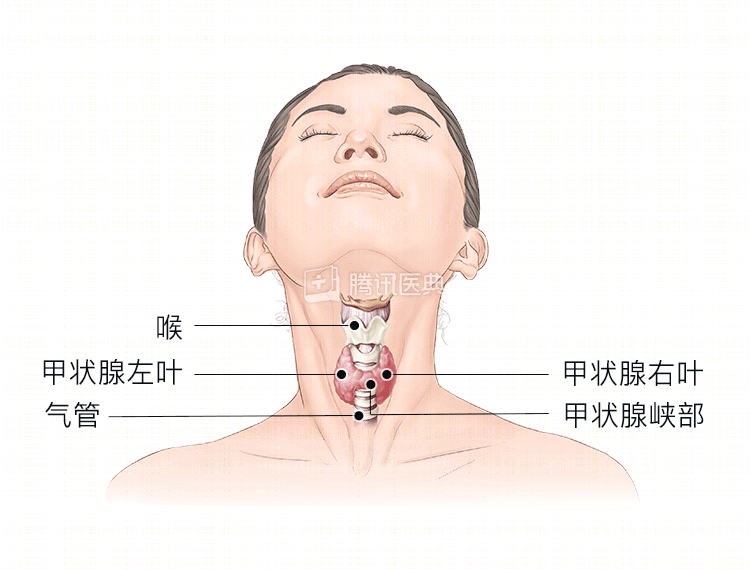
Why do I need a laryngoscopy?
In addition to the sore throat mentioned at the beginning, a laryngoscopy can help diagnose a non-stop cough, hoarseness, difficulty breathing or swallowing, ear pain, cancer, and more.
What types of laryngoscopy are available?
Indirect laryngoscopy
This is the simplest form of laryngoscopy. The doctor uses a small mirror with a long handle to probe the throat. The mirror is placed face down on your upper jaw during the exam, making it easier to reflect the throat.
During the exam, the doctor also shines a light source to see the image in the mirror. The test is usually done in 5 to 10 minutes.

During the exam, you will sit in a chair. The doctor will spray an anesthetic into your throat. However, a small mirror stuck in your throat may be uncomfortable, cause vomiting, etc.
Refractable fiberoptic laryngoscopy
The doctor will stick a fiberoptic laryngoscope through the nose and into the throat to probe.

The exam typically takes 10 minutes. Before the exam, your doctor will use an anesthetic for your nose and sometimes a decongestant to help keep your nostrils open. It is normal to feel like you want to vomit during the exam.
Direct laryngoscopy
This is the most common test. The doctor presses the laryngoscope against your tongue and lifts the epiglottis. The epiglottis is a piece of cartilage that covers the trachea and opens when people breathe and closes when they swallow.

In direct laryngoscopy, the surgeon can remove the growth or take a tissue sample to send for testing. The laryngoscope can also be used to intubate the patient’s trachea to help with breathing in an emergency or surgery.
The exam usually takes 45 minutes and is performed under general anesthesia.
What should I do to prepare for the exam?
- The doctor may need to do an X-ray or other imaging before the test.
- If you are having a direct laryngoscopy under general anesthesia, do not eat or drink before the test.
- If you are taking certain medications, your doctor may also recommend that you stop taking them up to a week before the test. Consult your doctor for details.
What are the possible complications of laryngoscopy?
Laryngoscopy is generally safe, and the following complications are possible:
- Sore and swollen mouth, tongue, or throat
- Bleeding
- Heartiness
- Vomiting
- Infection
If you are examined under anesthesia, you may feel nauseous or drowsy afterward and may feel a dry mouth or sore throat. These are all normal reactions to anesthesia.
If you feel increased pain, high fever, coughing or vomiting blood, difficulty breathing or swallowing, or chest pain, you need to ask your doctor for help.
What to look for after the test.
If you feel a sore throat, you can suck on ice or gargle salt water to relieve it. Over-the-counter pain relievers or throat lozenges may also help.
If the doctor needs to take a tissue sample during the test, wait 3 to 5 days for the results.