“If you get lung cancer, it must be because you smoke,” is a minority view, but that’s not true, and you can get lung cancer even if you’ve never touched a cigarette in your life.
While smoking is the number one cause of lung cancer, there are still many factors that increase the risk of lung cancer in nonsmokers, suggesting that other factors, such as individual genetic susceptibility, may also be associated with the development of lung cancer.
Never smoked, but may “smoke” every day
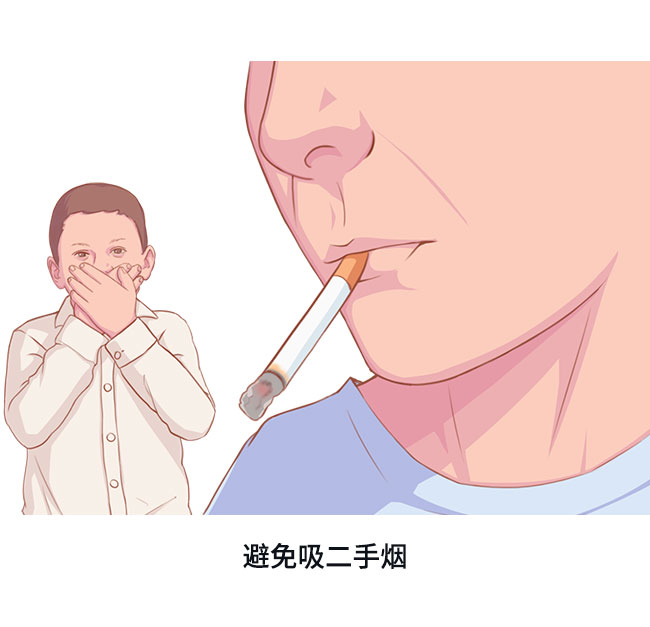
We often talk about secondhand smoke, from the smoke rings exhaled by the smokers around us, and from the smoke released when a cigarette, pipe, or cigar burns, either of which is highly toxic.
Secondhand smoke is very similar in composition to active smoking, containing nearly 70 carcinogens, and we can’t help but inhale these toxic substances whenever someone around us smokes.
Some people think that secondhand smoke is okay, but in fact, there is no safe dose of secondhand smoke, and as long as you inhale it, it can be harmful to your health.
There is a “poisonous gas”, colorless and odorless, but it is everywhere
Radon, a mysterious health “killer”, is the second biggest lung cancer risk factor after smoking. If you inhale radon gas for a long time, you may suffer from lung cancer because radon gas will decompose into small particles, enter the lungs and damage cells.
It is a radioactive gas naturally produced by soil and rocks, colorless and odorless, yet ubiquitous. Low concentrations of radon exist in outdoor air, and indoor areas such as houses, buildings and schools are also its “sphere of influence”.
It can be released through cracks in the floor or walls, and can also be hidden in decorative materials, threatening our health.
What to do? You can use measuring equipment or ask professionals to measure the radon level in your home. If the radon concentration is too high, you may have to repair the cracks on the floor and walls and use other techniques to reduce radon.
When you buy stone during renovation, be sure to choose products with qualified radiation test reports. Usually, you should improve the ventilation to make the radon in the room as little as possible.
Inhaling asbestos fibers
Asbestos is a mineral that was widely used in building supplies and products, and when people inhale it due to occupational exposure, its fibers can become “embedded” in the lungs, which can lead to lung cancer over time.
The longer and more you breathe it, the higher your risk of lung cancer, and it is sometimes hidden in steam pipes or tiles in older homes, so if it needs to be repaired or removed, hire a professional to handle it.
Sometimes, it may be “meant to be.”
Sometimes a “mutation” in the DNA of lung cells can lead to lung cancer, for example, people are born with an abnormality on chromosome 6, and others are born without enough ability to remove chemicals from their bodies, which can increase the risk of lung cancer.
Another possibility is that someone may not be able to repair damaged DNA, and then when exposed to cancer-causing chemicals, the chances of developing lung cancer are higher.
Many studies have shown that people who have a family member with lung cancer, whether they smoke or not, are more likely to develop lung cancer than the general population.
More research is probably needed to understand more about these issues, and all we can do is stay away from factors that are known to increase the risk of lung cancer.
Air pollution
In the United States, about 1% to 2% of lung cancers are caused by dust, smoke, and chemicals in the air.
Researchers suspect that these harmful components in the air can make changes to DNA that increase the risk of lung cancer.
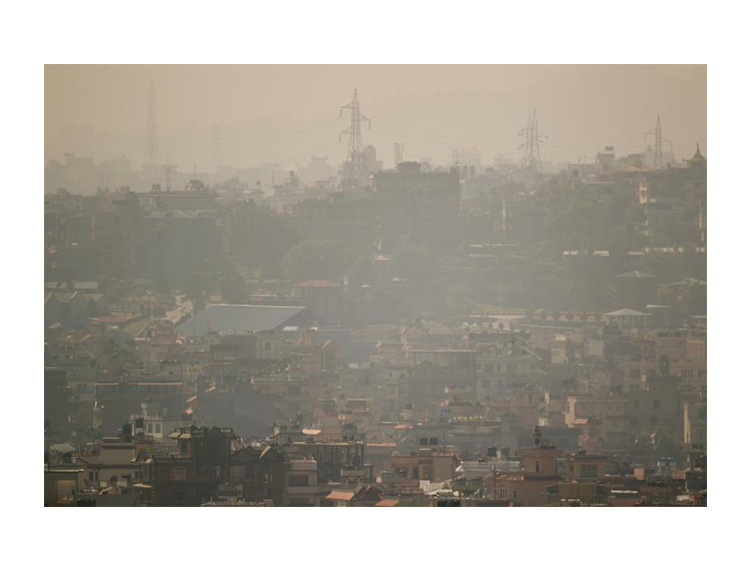
The more polluted air you inhale, the higher your risk, and you need to be protected when you travel on hazy days.
High glycemic index diet, may also be relevant
Diet may also affect lung health, and one study found that the glycemic index of foods, a measure of how quickly carbohydrates raise blood sugar, may be linked to lung cancer risk.
Researchers found that people who are accustomed to a high glycemic index diet have a higher risk of lung cancer, and that white bread, sweet oats, white rice, and popcorn may be bad for you, with healthier choices being whole-grain bread, oatmeal, sweet potatoes, lentils, and most fruits.
The exact mechanism linking a high glycemic index diet to lung cancer is not known, and a possible reason is that such foods raise blood sugar, which raises levels of a class of proteins called insulin-like growth factors.
Early studies suggest that insulin-like growth factor may play a role in the development of lung cancer.
Co-reviewed by Dr. Zhiyong Chen and Dr. Xuewu Wei of Guangdong Provincial People’s Hospital and Guangdong Lung Cancer Institute.