For the first-time patient, the two main questions to be initially determined on imaging are: benign or malignant? The first two questions are: is it benign or malignant? To achieve this goal, how can we choose wisely among the many imaging modalities? The following is an overview.
Question 1: Benign or malignant?
If you find a lung nodule on your chest X-ray or low-dose CT at your workplace, your first concern is likely to be, “Is this benign or malignant?” 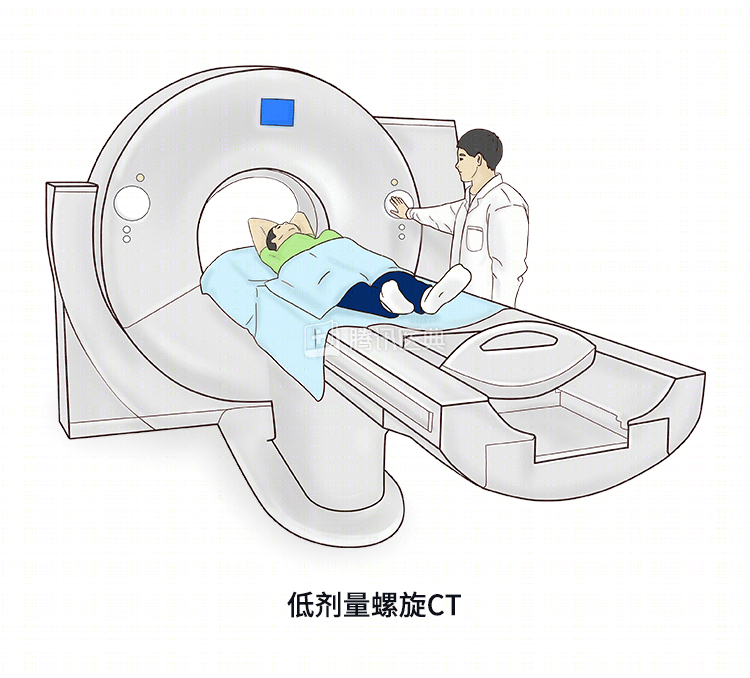
With advances in medicine, it is not “difficult” to determine the benignity or malignancy of a lung lesion in most cases. In this case, you can go to a hospital respiratory or lung tumor specialist, and your doctor will give you an individualized opinion based on your medical history, symptoms, and other information.
Today, enhanced chest CT scans are commonly used to identify benign and malignant lung disease, and several guidelines, including the 2018 US NCCN guidelines and the Chinese Society of Clinical Oncology (CSCO) guidelines, recommend them as a first step to confirm the diagnosis. Of course, everyone is different, and physicians may be able to make an initial determination based on findings such as low-dose CT and move on to the next step of whole-body testing.
In short, the key to finding a nodule is to seek the help of a specialist to develop your “own” screening plan.
Question 2: Early or late stage?
If a tumor is determined to be malignant, it is essential to go to an oncology clinic for a complete checkup. When you see the word “comprehensive”, you should expect that it includes imaging of all major organs from head to toe. This is a critical step in the staging of your disease.
According to our CSCO clinical guidelines, your primary care provider may offer you two options: a single comprehensive exam that is “short and sweet” or an “economical combination.
The “short and quick” single comprehensive test is PET-CT, which is a nuclear imaging test that identifies metabolic differences between tumor and normal tissue. The short time, simultaneous whole-body examination, and relatively fast nuclide metabolism are the significant advantages of this test, but the real shortcomings have to be faced: the high cost (about 8,000 to 10,000 yuan) and the lack of health insurance coverage. Therefore, the 2017 edition of the Chinese CSCO lung cancer guidelines recommends PET-CT as an “optional strategy”.
The “economic combination” includes chest + upper abdominal CT enhancement, cranial MRI enhancement, and bone scan, which is recommended as a “basic strategy” in the 2017 edition of the China CSCO Lung Cancer Guidelines. The so-called basic strategy is an affordable test that most people can afford and is covered by multiple medical insurance policies. However, the problem is that it is time-consuming, especially in tertiary care hospitals, and the “package” can take 1 to 2 weeks to complete, plus report interpretation, which is much slower than PET-CT’s one-stop test.
Related reading:
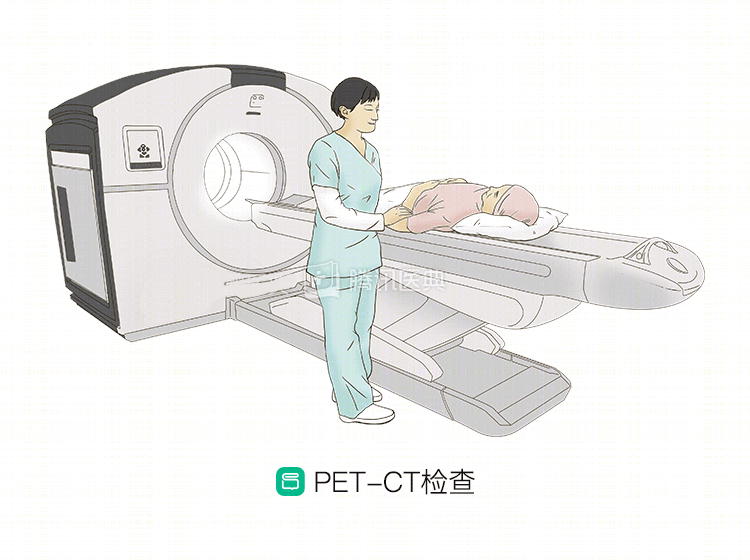
So there are advantages to each of the two options, and you can choose on a case-by-case basis. Once a thorough evaluation has been completed as described above, your oncologist will communicate with you about the staging of your disease.
Co-authors: Guangdong Provincial People’s Hospital Guangdong Lung Cancer Institute Dr. Bai Xiaoyan Dr. Zhang Yichen