Secondhand smoke
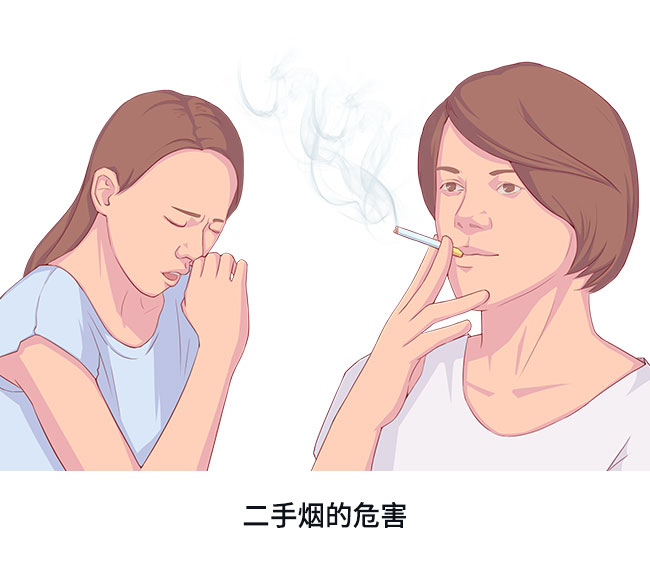
Just by being in the same room as a smoker, nonsmokers are also at risk for lung cancer.
Every year, about 7,300 nonsmokers in the United States die from lung cancer caused by secondhand smoke, and living with a smoker increases the risk of lung cancer by up to 30%.
Air pollution
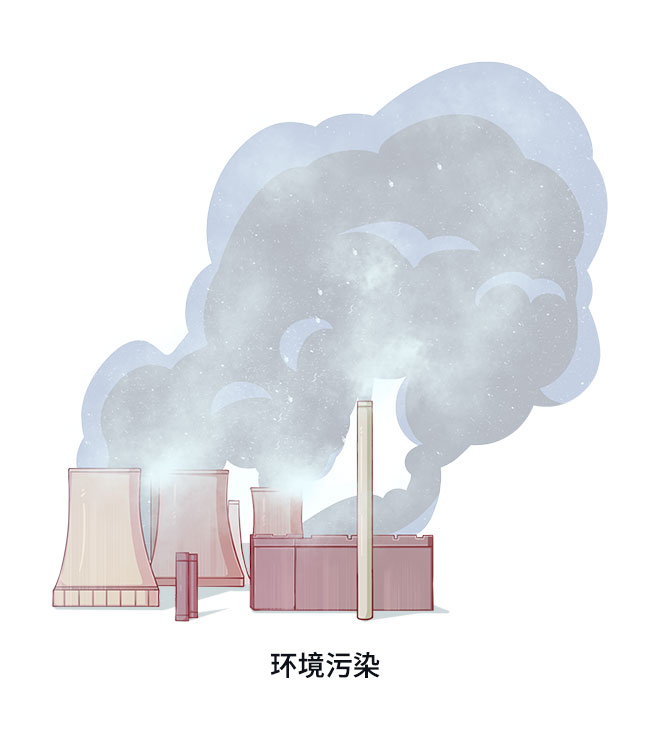
The World Health Organization listed air pollution as one of the causes of lung cancer in 2013. The large amount of exhaust fumes, chemicals, and dust present within the air is harmful to the lungs, poor air quality is a serious problem, and haze is a concern.
Asbestos
Asbestos is now officially listed as a carcinogen, and although it has been banned since 1989, people have been using it for centuries without knowing its dangers.
Asbestos was once widely used in insulation and fireproofing materials, and those in the construction industry, especially those who work with older homes, may be at risk.

Radon
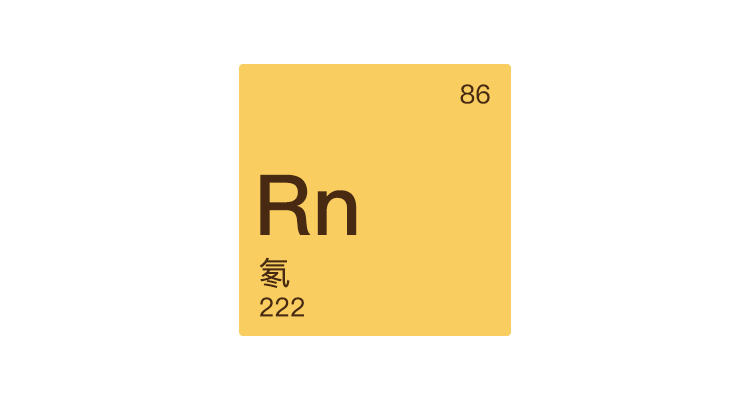
Radon is a colorless and odorless gas produced by the decomposition of soil and rocks, which can penetrate into buildings. Radon is radioactive and is the second leading cause of lung cancer in the United States (after smoking).
Radon causes up to 20,000 lung cancer deaths in the United States each year.
Family history
People with a family history of lung cancer have an increased chance of developing the disease, and it is not known whether this is due to genetics, the presence of secondhand smoke in the home environment, radon, or other substances.

Alcohol
There is an inextricable link between alcohol and lung cancer, as most people will smoke while drinking.
However, one study showed that even among nonsmokers, heavy alcohol consumption was linked to lung cancer.
Researchers followed 100,000 people and found that drinking more than 3 drinks a day was associated with a higher risk of lung cancer.

Radiotherapy
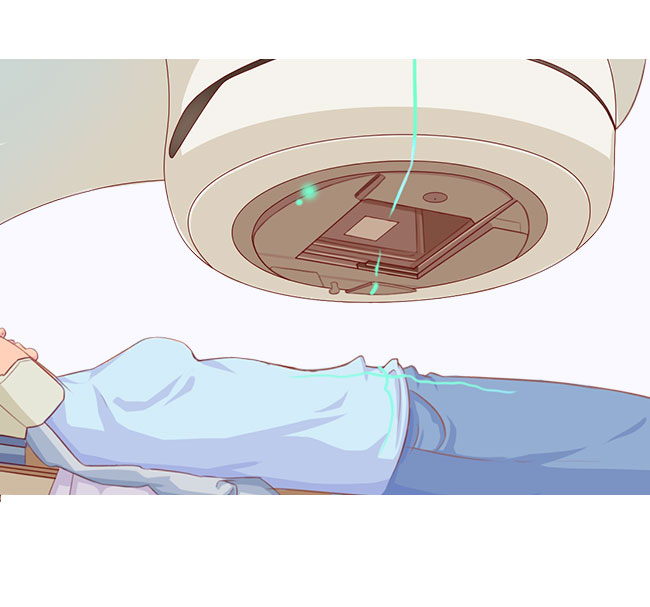
Radiotherapy is a cancer treatment in which doctors use high doses of radiation to kill cancer cells, although the treatment may be a trigger for secondary cancers.
There are many other factors, such as dose, age, and treatment site, to name a few, so ask your doctor about the risks.
Diet
A diet high in carbohydrates, which causes hyperglycemia and insulin resistance, has been linked to lung cancer development.
Eating fewer foods with a high glycemic index, such as white bread and white rice, can help keep lung cancer at bay.

Viruses
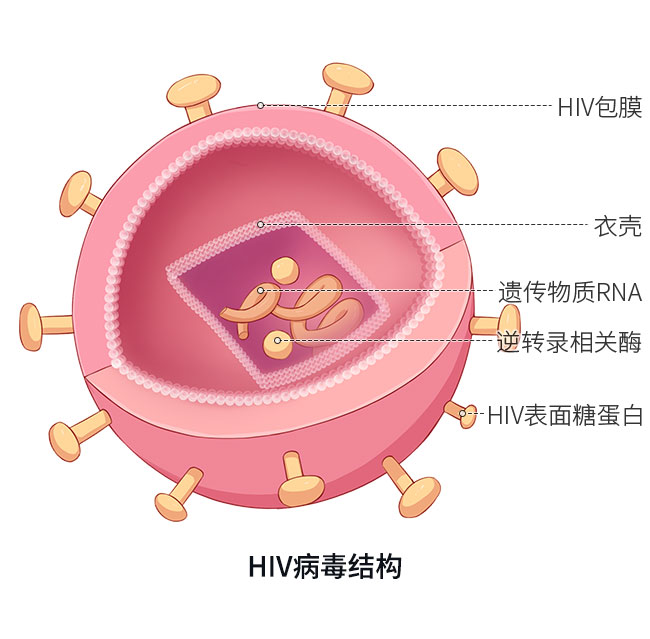
HIV (HIV) infection is more likely to lead to lung cancer, and research says that human papillomavirus (HPV) and measles virus may also be linked to lung cancer.
Hormone replacement therapy
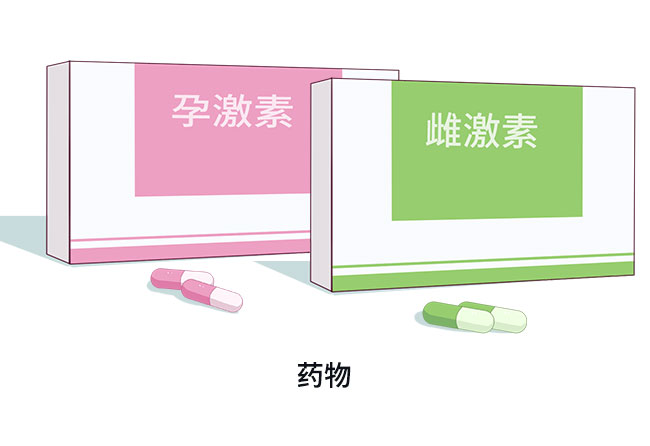
Hormone replacement therapy may help menopausal women from suffering from hot flashes and osteoporosis.
However, the estrogen and progestin in the therapy may increase the chance of lung cancer, and may have a greater impact on smokers.
Co-reviewed by Dr. Bai Xiaoyan and Dr. Zheng Meimei of Guangdong Provincial People’s Hospital and Guangdong Lung Cancer Institute.