Symptoms and treatment of lung cancer can affect a patient’s quality of life, and here are a few tips that may help lung cancer patients enjoy as high a quality of life as possible.
Breathing exercises
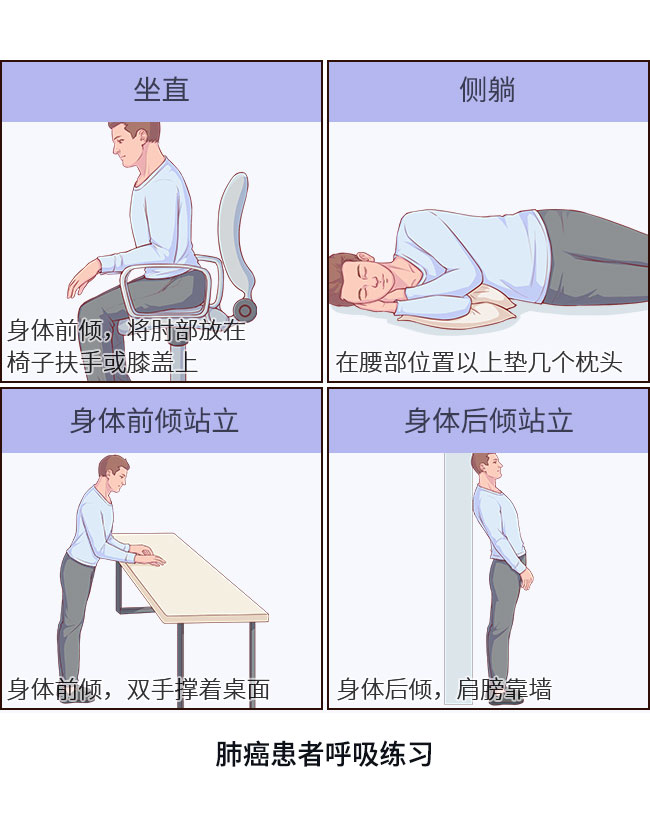
People with lung cancer may have difficulty breathing and may breathe more easily when sitting, standing, or lying down in different positions.
Try doing the following:
- Sit up straight, lean forward, and rest your elbows on the arms of a chair or on your knees.
- Put a few pillows on your upper body (above the waist) and lie on your side.
- Stand with your body leaning forward and brace your hands on the table.
- Stand with your body leaning back and your shoulders against the wall.
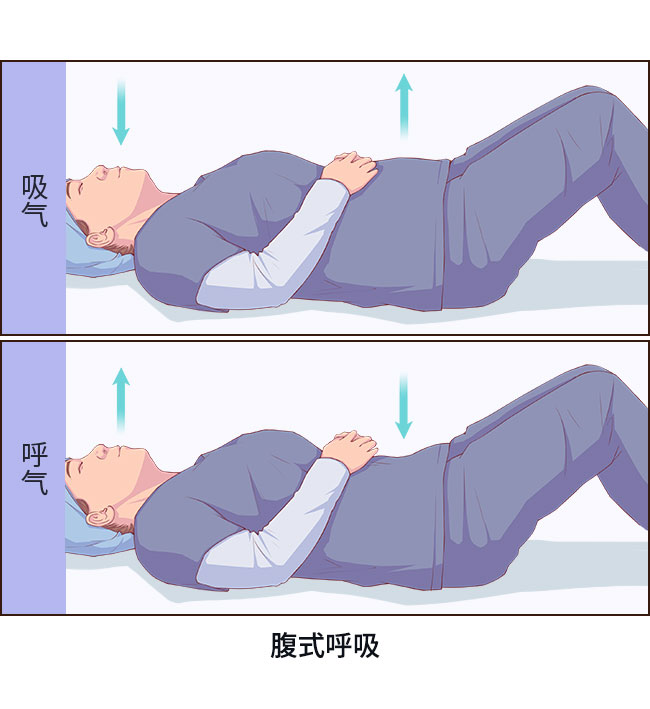
Belly breathing or pursed-lip breathing can also help improve dyspnea.
To practice belly breathing, lie down flat on your back, place a book on your belly, and let the book rise and fall with your breath.
To practice pouty lip breathing, breathe in through your nose, then pucker your lips and exhale slowly as if you were whistling, taking twice as long to exhale as you do to inhale.
Watch your oral health
Chemo and radiation for lung cancer may leave patients with dry mouth and difficulty eating, and they should see their dentist as soon as possible to make sure their mouth is healthy before settling on radiation or chemotherapy.
Here are a few tips that may help relieve dry mouth:
- Brush your teeth with a soft-bristled toothbrush and fluoride toothpaste. Soaking your toothbrush in warm water will make the bristles softer.
- Clean your teeth once a day with dental floss.
- Rinse your mouth with salt and baking soda (sodium bicarbonate) water 4 to 6 times a day, especially after eating. 1 cup of warm water should be filled with ½ tsp of salt and ½ tsp of baking soda, respectively.
- You can buy oral moistening care solution, also called artificial saliva.
- Don’t use mouthwash that contains alcohol and look for the ingredient description on the label when buying mouthwash.
- You can use a cool mist humidifier indoors.
.
Get enough water
Rehydration prevents dry mouth, aids digestion, prevents dehydration during vomiting or diarrhea, and also helps patients get more energy.
If you have no appetite or feel full after eating only a little, try not to drink water with meals.
Renew your energy and fight fatigue
Cancer treatment can leave patients with an upset stomach and poor appetite, making it difficult to get enough energy, so try changing your diet, for example:
- Eating smaller, more frequent meals, every 3 or 4 hours, instead of 3 regular meals a day;
- Supplement with high-calorie foods, such as nuts and cheese;
- Eat more iron-rich foods, such as brown rice, whole-grain bread, syrup, and lean meats;
- Ask your doctor if you can take vitamin supplements.
Be aware that some foods may reduce the effectiveness of your medication, so be sure to ask your doctor which foods you need to “avoid”.
Dress loosely for treatment
Lung cancer treatment, which may require intravenous fluids or a port embedded in the chest, requires loose-fitting clothing that allows the nurse to connect the treatment devices.
It is recommended to wear short sleeves or clothing with loose cuffs and collars. The treatment room may be cold, so bring a blanket, or borrow one from a health care provider if you can.
Patients with advanced lung cancer have difficulty communicating
Patients with lung cancer, especially in advanced stages, often have varying degrees of anxiety or depression and become difficult and sometimes unreasonable to communicate with.
Family and friends may not know what to say or what they can do to help, and the situation is further complicated by the fact that our country has its own national conditions and a significant proportion of patients are unaware of the disease.
But most patients end up knowing, and this is the time to improve communication with friends and family, to tell them if they can discuss the condition with you.
Express your wishes
As the disease progresses and the antineoplastic treatment becomes less effective and more debilitating, it is still a time to communicate with family and friends and to speak your mind.
If you want your friends and family to help with things like cooking, housework, or transporting yourself, let them know. If you don’t want them to do too much, or if you have other requests, let them know, and express your true wishes to get the help you need most.
Co-reviewed by Dr. Siyang Liu, Guangdong Provincial People’s Hospital and Guangdong Lung Cancer Institute.