Our lungs work hard all the time – a healthy adult breathes more than 20,000 times a day – but whether they “work” properly is also about what we “work” on.
Chemicals, bacteria, cigarette and cigarette ash, fibers, dust, and even things that are easily overlooked can damage the airways and threaten the health of your lungs.
Our lungs are both complex and fragile, and occupational and environmental exposures can lead to lung fibrosis, asthma, chronic obstructive pulmonary disease (COPD), infections, and even cancer.
Research has shown that exposure to toxic components such as asbestos, arsenic, chromium, nickel, beryllium, cadmium, tar and soot in the workplace increases the risk of lung cancer.
However, many occupational lung diseases are preventable, and there are improvements that can be made depending on work processes and conditions.
For example, by improving ventilation, wearing protective equipment, and changing work practices, people need to learn more about the potential for “lung damage” in their own occupations and environments.
People in the following occupations can reduce their risk of lung disease and even lung cancer at work through preventive measures.
Servers
- Secondhand smoke is strongly associated with lung cancer, and the chances of inhaling secondhand smoke increase if the city where you work allows smoking in public places.
- In non-smoking restaurants, bars, and other entertainment venues, waiters work in a haze of smoke, and few waiters wear masks to serve customers. Even if smokers are separated from non-smokers, or the air is purified and the room is ventilated, non-smokers can still escape the “clutches” of secondhand smoke.
- If you can’t change your work environment, change yourself, and if you can, change your job, that’s the best solution.

Housekeeping and cleaning staff
- Some cleaning products, even so-called “green” or “natural” products, contain harmful chemicals that trigger asthma.
- Cleaners contain active chemicals that not only interact with dirt, but also “get in touch” with lung tissue.
- Some cleaners release volatile organic compounds that cause chronic respiratory disease and allergic reactions, so read labels and follow instructions when using them.
- When doing cleaning, try simple cleaners such as vinegar, water or baking soda, and be careful to keep windows and doors open for good ventilation.

Health care providers
- Healthcare workers who work in healthcare facilities or nursing homes are at increasing risk for lung diseases such as tuberculosis, influenza, and severe acute respiratory syndrome (SARS).
- Healthcare workers should receive immunizations such as influenza vaccinations in a timely manner as required by the CDC.
- Latex gloves or other products containing latex can also cause asthma, and choosing latex-free products can reduce the risk.

Hairdressers
- Some hair dyes can trigger occupational asthma, and some chemicals used to straighten hair contain the carcinogen formaldehyde, which can cause severe irritation to the eyes, nose, throat and lungs.
- It’s important to maintain good ventilation, and if you can’t wear a mask, at least learn more about these chemicals that are used every day.

Manufacturing workers
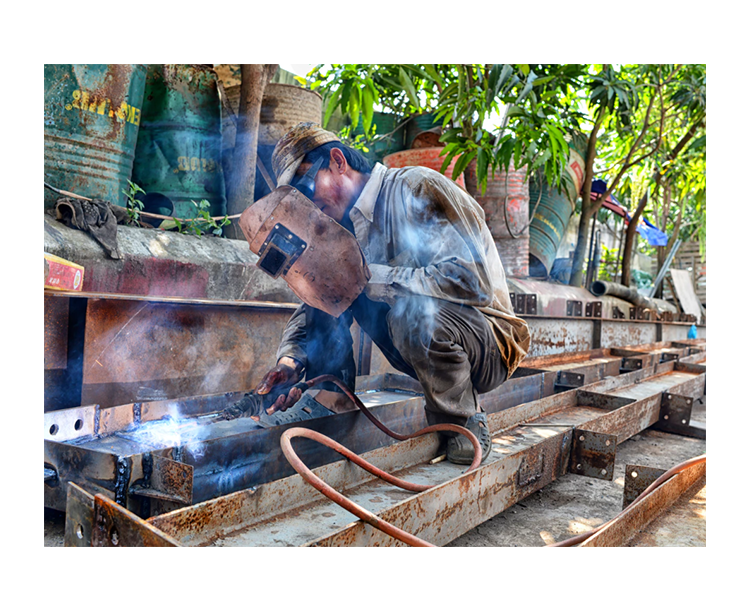
- Working in some factories can increase the likelihood of developing or exacerbating asthma.
- Workers can inhale many harmful ingredients, including metal dust, and inhale silica dust or fine sand to cause “silicosis,” a disease that can scar the lungs.
- Working in these places increases the risk of lung cancer, as does exposure to silica dust or fine sand in environments such as quarries, coal mines, and foundries.
- Workers who produce microwave popcorn may also develop “popcorn lung,” a disease known as occlusive bronchitis, which is associated with exposure to certain chemical flavors in production.
- Also, wearing a mask and maintaining ventilation are key, but popcorn eaters don’t seem to be at risk for “popcorn lung.
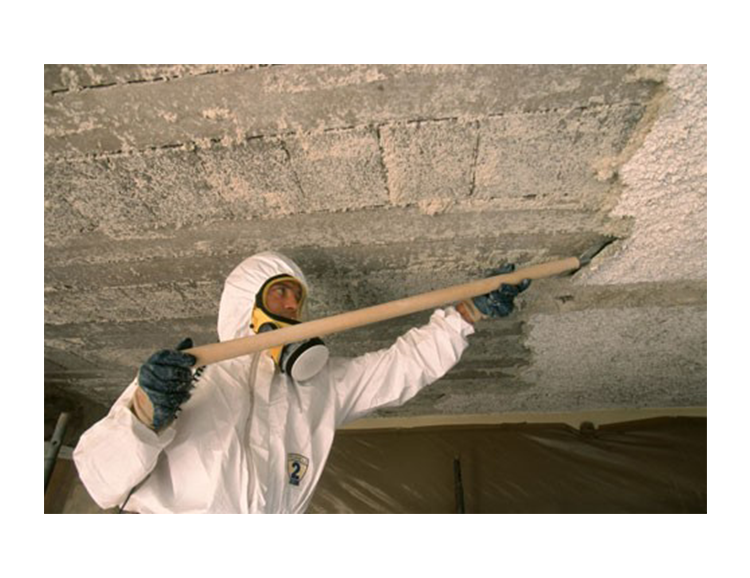
Asbestos Industry Practitioners
- Workers who demolish and remodel old buildings can inhale asbestos, which is often used as insulation for pipes or floor tiles.
- It is not only construction workers who may be exposed to asbestos in workplaces such as mines, flour mills, textile mills, shipyards, and cement plants.
- Even breathing in small amounts of asbestos fibers has been linked to many diseases, including a malignant tumor: mesothelioma.
- In addition, inhalation of asbestos increases the risk of small cell lung cancer and causes fibrosis in the lungs, so it is important for workers to understand the risks and work safely.
Farmers and ranchers
- Growing crops and raising livestock can also lead to serious illnesses, such as allergic pneumonia, a rare and serious condition that causes inflammation of the alveoli and the formation of scar tissue, which can be increased by frequent exposure to mold “infested” grains or hay.
- Grain in metal cans can become moldy, and inhalation of this grain dust can cause fever, chills, and a flu-like illness similar to “organic dust poisoning syndrome,” and farmers often develop coughs and chest tightness.
- The dust, combined with ammonia levels, also appears to be a risk factor for workers who manage pens and chicken coops, which sometimes have asthma-like symptoms, so it’s important to protect grains from moisture, ensure ventilation, and wear dust masks.

Car detailers
- Auto detailers are often exposed to a class of chemicals called isocyanates, which are a major cause of occupational asthma.
- Wearing protective masks, enclosing paint work areas, and increasing ventilation and exhaust can help reduce the risk of illness, but nothing is as safe as using safe materials.
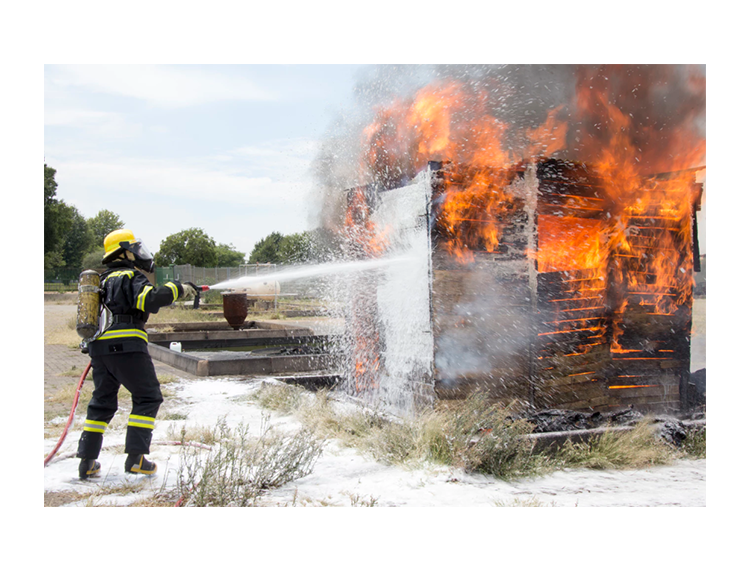
- Firefighters work not only in the heat of fires, but also with burning plastics and some chemicals, and using a self-contained breathing apparatus can reduce the risk of lung disease and other illnesses.
- It’s important to use them not only during fire suppression, but also when cleaning up a fire, as ventilation is critical because there are still many chemicals in the air after the fire is out.
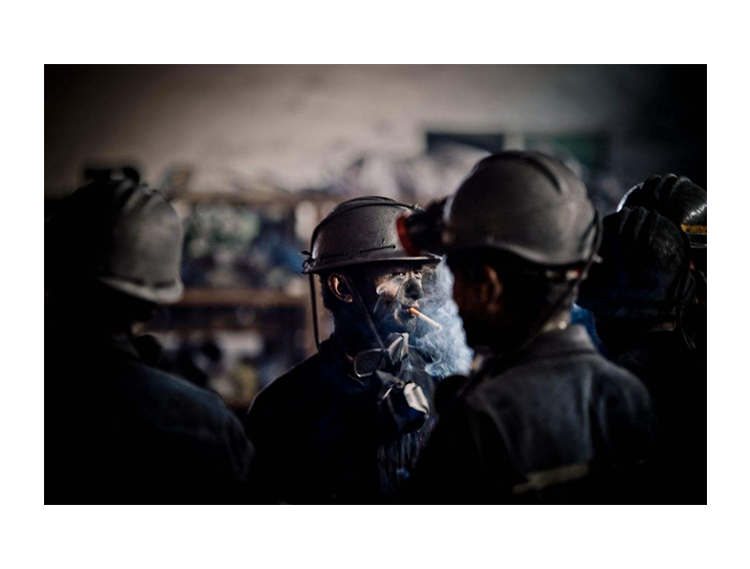
- Underground coal miners are at risk for many diseases, and chronic respiratory diseases such as bronchitis and pneumoconiosis (also known as “black lung disease”) are a serious threat to workers’ health.
- These diseases are caused by the inhalation of coal ash, which can become embedded in the lungs as “nails”, causing the lungs to harden and become extensively fibrotic, leading to breathing difficulties and even life-threatening injuries.
- Wearing protective equipment can limit the amount of dust inhaled.

Firefighters
Miners
Co-reviewed by Dr. Zhiyong Chen and Dr. Xuewu Wei of Guangdong Provincial People’s Hospital and Guangdong Lung Cancer Institute.