When it comes to “indoor pollution”, people’s first thought may be chemicals such as formaldehyde, benzene or ammonia. In fact, indoor air pollutants are much more than that. There is a common radioactive substance, radon, which is closely related to the development of lung cancer.
What is radon?
Radon (Rn) is an invisible, invisible, colorless and odorless radioactive gas. It is derived from the gradual decay of uranium (Uranium, U) . Uranium is a heavy metal that is radioactive and is found mainly in soil and rocks. Uranium decays to form another metal called radium (Radium, Ra), which is more powerful and radioactive. When radium is further decomposed, radon gas is produced.
Radon’s activity is measured in Bq. 1 Bq is equivalent to the conversion (decomposition) of 1 nucleus per second. The concentration of radon in air is measured by the number of conversions per second (Bq/m³) in 1 cubic meter of air. For every 100 Bq/m³ increase in radon concentration, the risk of lung cancer will increase by 8-16%.
Although radon is of natural origin, long-term inhalation of large amounts of radon will increase the risk of cancer. The rays it emits can damage the epithelial cells of the lungs and bronchial tubes, eventually leading to lung cancer. Among the many environmental and occupational hazards associated with lung cancer, radon is considered the 2nd most important risk factor after smoking. Lung cancer caused by radon is estimated to account for 3%-14% of the total, depending on the average level of radon in the country and the smoking rate. Studies in Europe, North America and China have confirmed that even low levels of radon – such as those found in housing – are a health risk and an important cause of lung cancer worldwide.
The relationship between radon and lung cancer
Smoking is by far the most important risk factor for lung cancer, with radon a close second. The alpha particles radiated by radon decay damage lung and bronchial epithelial cells through direct reaction with human DNA or indirect free radical effect, which eventually leads to lung cancer.
Although radon and smoking are two independent pathogenic factors of lung cancer, each with different pathogenic mechanisms, there is a close relationship between them. Both active and passive smokers have an increased risk of lung cancer after exposure to radon, and smokers have a higher risk of radon-related lung cancer than nonsmokers.
How are we exposed to radon gas?
- Foundation soil. Soil around buildings and at the surface is an important source of radon. Radon can volatilize through cracks in cracked foundations or wall foundations, or around buried pipes, and enter the room. Therefore, the indoor radon content in basements and low-rise housing tends to be higher.
- Construction and decoration materials. In recent years, many mining waste, cinder and industrial by-products have been developed for building materials and decoration materials. These plasterboards and tiles made of waste and industrial by-products, as well as fine stones made of marble and granite contain radon in different degrees, which are important sources of indoor radon.
- Occupational exposure. Such as underground labor or workers who use phosphate fertilizer.
- Groundwater and surface water. Radon gas can also exist in the water of lakes, rivers and reservoirs, but most of radon has been released into the air before people are exposed to such water sources, so the level in these water sources is low. However, if the water supply at home comes from wells or other underground water sources, the former contains higher amount of radon gas compared with tap water.
What symptoms will radon poisoning cause?
Unlike carbon monoxide poisoning, radon poisoning does not cause symptoms immediately, but appears several years later, and is a real “invisible killer”. When the concentration of radon is higher than a certain level, it will cause different degrees of harm. The first symptoms of radon causing lung cancer may be persistent cough, shortness of breath or shortness of breath, and some patients may also have other symptoms such as coughing up blood, chest pain or unexplained weight loss. Once the above symptoms appear, it is important to seek medical attention immediately.
There is no routine physical examination that can show whether the subject has inhaled too much radon gas, and there is no treatment to remove it from the body. If you suspect radon poisoning, you should consult your doctor to detect the “telltale signs” of lung cancer through tests.
How to protect yourself from radon pollution?
How to protect yourself from radon pollution?
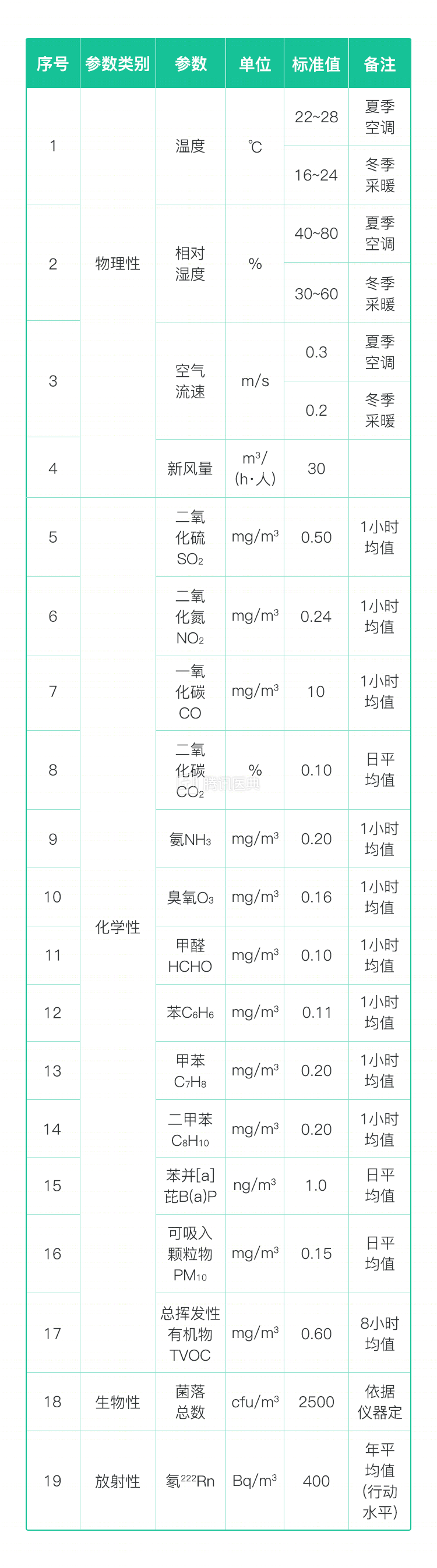
The best way to reduce the harm of indoor radon is to control the indoor radon concentration to a safe level, which is not more than 400 becquerels per cubic meter (Bq/m³), or 12 picocuries per liter (PCi/L) as stipulated in the Indoor Air Quality Standard, and 1Bq/m³ is about 0.03 PCi/L.
- Detect indoor radon levels. Some kits can detect radon levels for several consecutive days, and some can even collect data for at least 3 months. You can also ask a professional to come to your home for testing. If radon levels are found to be excessive, another round of short-term or long-term testing is needed to confirm the results.
- Find the radon source. If the radon level exceeds the standard, you need to actively look for the source of radon. If cracks are found on the floor or wall, please contact the master builder to repair the residence or office, and pay attention to fill and seal all the cracks on the floor and wall to effectively reduce the radon release.
- Use Class A building materials. According to the national standard “Radiation Hygiene Standard for Construction Materials” (GB6566-2000) and “Control Standard for Radiation Protection Classification of Natural Stone Products” (JC518-93) issued by relevant national departments, only Class A construction materials are allowed to be used in residential construction and interior decoration. Therefore, when selecting materials for decoration, be sure to purchase Class A radioactive building materials that meet national standards.
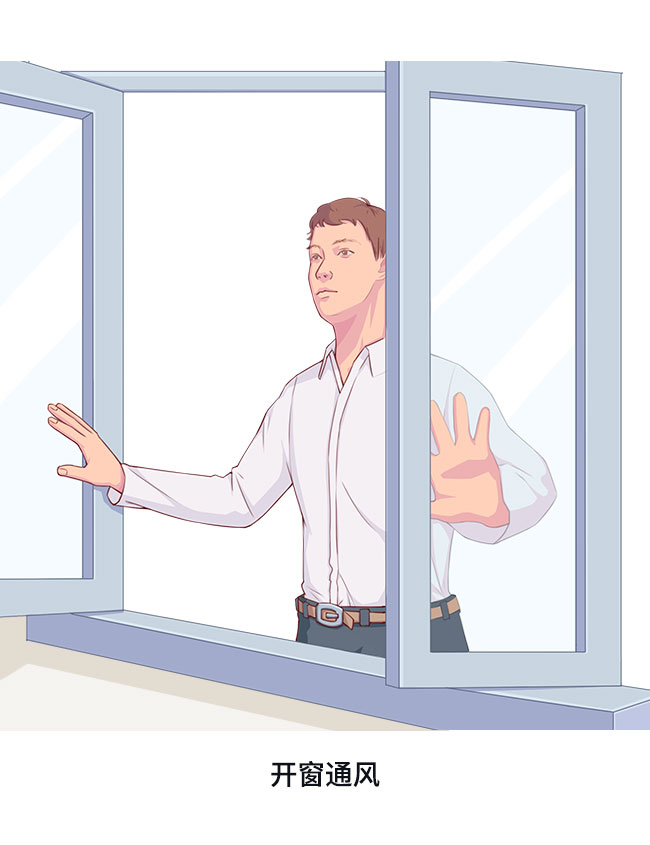
- Natural ventilation. Open the doors and windows for natural ventilation is the most economical, simple and easy way to reduce radon.
- Adopt purification technology. If you have conditions, you can install fresh air system or use indoor air purifier to reduce the concentration of radon gas in indoor environment.