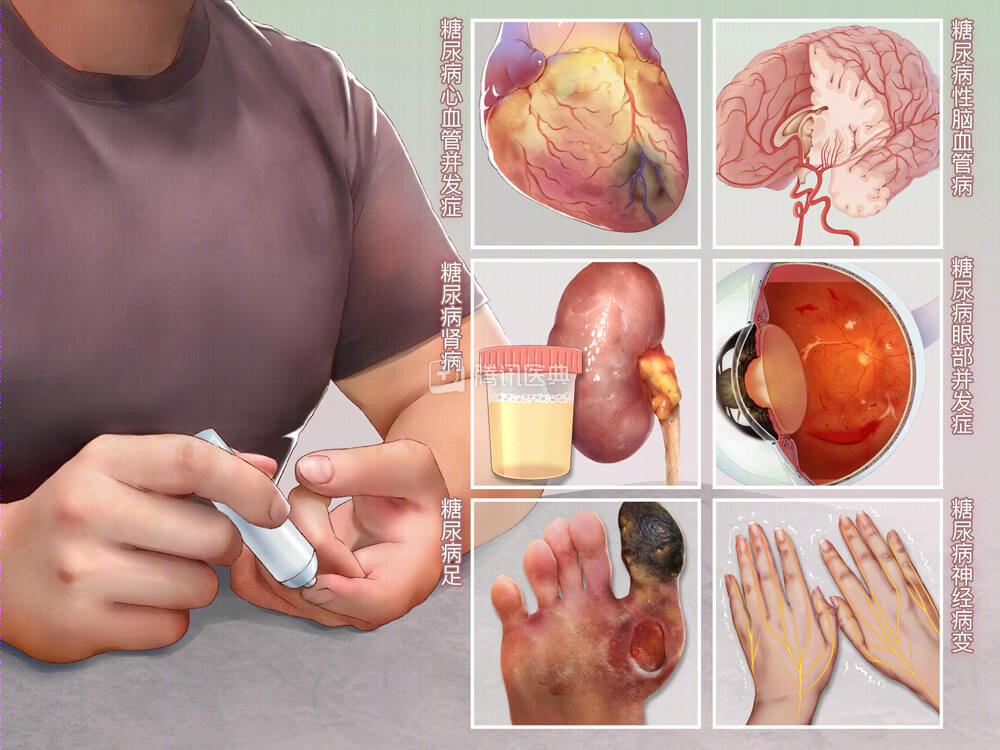
Type 2 diabetes is a lifelong disease, and if not treated aggressively and blood glucose is not well controlled, it can cause damage to multiple organs, especially the eyes, heart, blood vessels, kidneys, nerves, organ insufficiency or failure, leading to disability or death. Common complications of diabetes include stroke, myocardial infarction, retinopathy, diabetic nephropathy, and diabetic foot. However, if lifestyle interventions and medications are adhered to, most patients can have well-controlled blood glucose and a low risk of complications.
Cardiovascular disease
People with type 2 diabetes are at a higher risk of cardiovascular disease than normal and can have an earlier age of onset of cardiovascular disease and more severe disease.
Diabetic retinopathy
Diabetic retinopathy is the number one cause of blindness in adults. High blood sugar causes damage to the retinal microvasculature, leading to ischemia and hypoxia in the retina and inducing a range of problems.
Diabetic nephropathy
About 20% to 25% of people with diabetes have a combination of diabetic nephropathy, and patients in advanced stages may develop renal failure, which requires high priority.
Diabetic peripheral neuropathy
Patients may present with numbness, pain, and abnormal sensation in the limbs. If diabetic lower extremity vasculopathy occurs, it can manifest as pain, claudication, and limb ulcers. Early treatment can be effective in relieving symptoms and reducing the risk of diabetic foot and amputation. If it has developed into a diabetic foot, the patient’s foot will develop ulcers and even ischemic blackening, which may require amputation or even cause death in severe cases.
Critical conditions such as diabetic ketoacidosis, lactic acidosis, hyperglycemic hyperosmolar state, and hypoglycemia can also occur during the development of type 2 diabetes and can be life-threatening for patients if not treated promptly. In addition, type 2 diabetes is also associated with depression, dementia, and an elevated risk of various infections, which can be dangerous.