Does mold cause lung cancer?
There are no studies that show a direct link between mold and lung cancer development. The only possible association is that mold may cause pulmonary fibrosis (PF), in which the body secretes collagen to “repair” damage to the lungs, resulting in scarring of the lungs. Long-term lung fibrosis may increase the risk of lung cancer. However, it is often not clear how we get pulmonary fibrosis, and mold is not the primary cause of pulmonary fibrosis. So it’s not likely that mold can “cause” lung cancer.
However, if you don’t know about mold, or are concerned that mold may cause other health problems, this article will answer your questions.
What is mold?
What is mold?
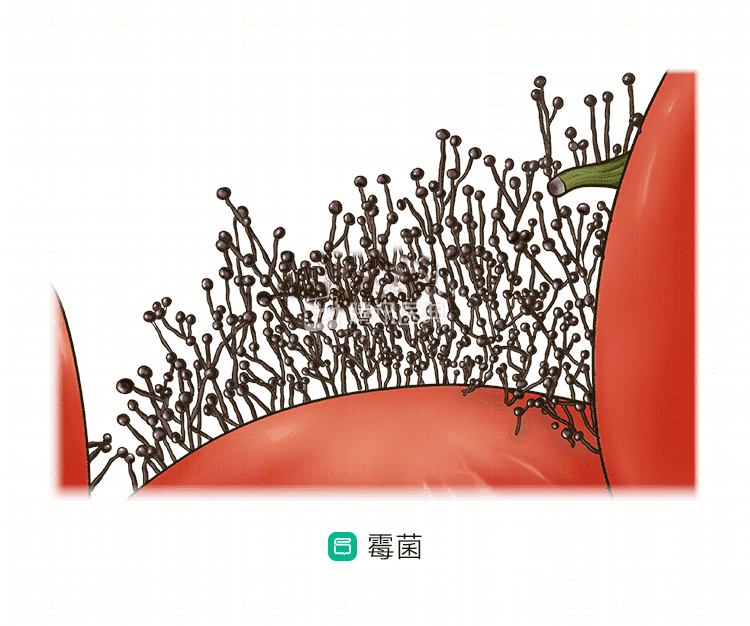
Mold is a fungus. They thrive indoors and outdoors in warm, humid environments and spread by producing spores smaller than breadcrumbs. These small spores float in the air, looking for new hosts.
Mold is everywhere, and most of the time it is invisible to the naked eye. A bathroom, a basement, a pile of leaves in the yard can be a breeding ground for them. Generally speaking, if the environment is humid enough, it will be full of black, orange, white, green, brown, and even “furry” mold.
What are the risks of disease from mold?
Allergies are the most common illnesses caused by mold. Mold causes allergies, which can manifest as coughing, itchy and irritated eyes, sneezing, stuffy or runny nose, and shortness of breath. In addition, mold can cause asthma attacks or chronic sinusitis.
If you have chronic lung disease, or are immunocompromised, mold can cause more serious problems, such as aspergillosis (an infection that can cause chest pain and difficulty breathing) and pneumonia.
Is mold “toxic”?
Is mold “toxic”?
Some molds do produce toxins, but scientists don’t say they are “toxic. The main molds that produce toxins are Stachybotrys and Aspergillus.
Stachybotrys
Often referred to as black mold, it is a “regular” in the news media. However, there are no studies that show a clear link between its toxins and serious illness. This is not to say that Aspergillus niger should not be a concern, but that the “accusations” against it are often not supported by reliable evidence. Scientists continue to research and try to uncover the link between Aspergillus niger and human disease. Aspergillus niger is not rare, nor is it very common. It requires high humidity to grow, so the black mold in the bathroom is not necessarily Aspergillus niger.
Aspergillus
Some types of Aspergillus produce aflatoxins, which can cause serious illness and even liver cancer. Usually, aflatoxins are “eaten” with food, not inhaled.
Aspergillus can grow on foods such as corn, peanuts, and even coffee beans. The U.S. and many other countries conduct food safety inspections and food manufacturers eliminate aspergillus before it is sold to consumers. Small amounts of Aspergillus are not known to cause disease.
How do I get rid of mold indoors?
If you find mold indoors, it’s best to remove it to prevent them from causing disease or damaging your home.
First, you need to keep the room dry, otherwise the mold will “regenerate”.
If the area is small, discard soft or absorbent objects such as carpets, plasterboard and ceiling tiles.
For hard surfaces such as wall tiles and floors, scrub with a stiff bristle brush or cleaning pad with detergent. Then rinse with water and dry thoroughly.