Most early stage lung cancer patients do not have obvious symptoms, a few will have some manifestations, and treatment will be better if they are detected and treated early.
Lung cancer can occur anywhere in the lungs and affect the respiratory system, possibly causing breathing or heart problems.
For example, bronchial obstruction, pulmonary atrophy (pneumothorax), recurrent pneumonia and bronchiectasis, pleural effusion, and pericardial effusion.
The following symptoms may be manifested
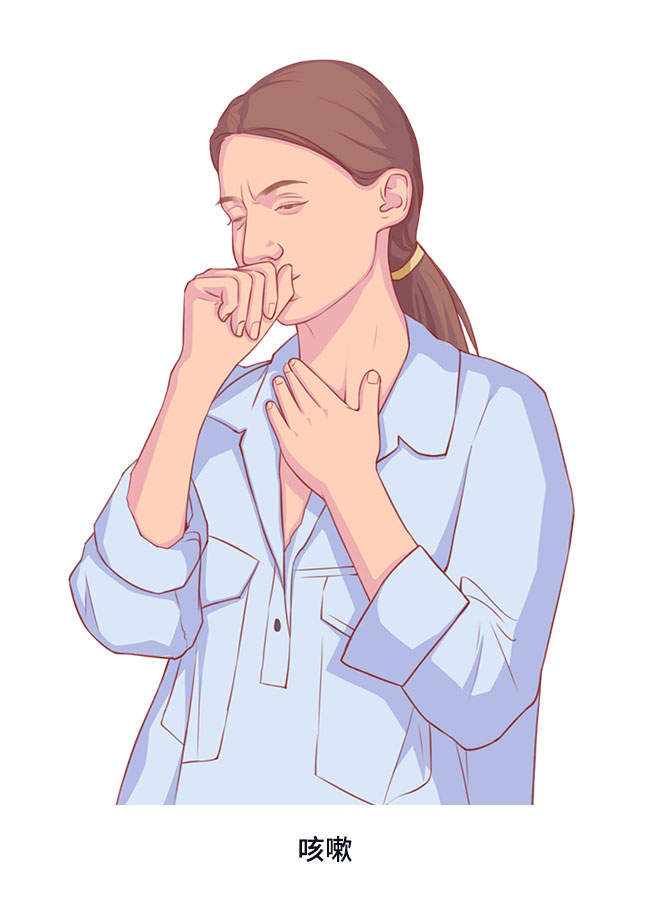
Different patterns of presentation of cough
- A new onset cough, or a cough that is incessant, dry, or harsh sounding.
- Smokers with a chronic cough have a change in the severity or frequency of the cough.
- Hemoptysis or blood in the sputum.
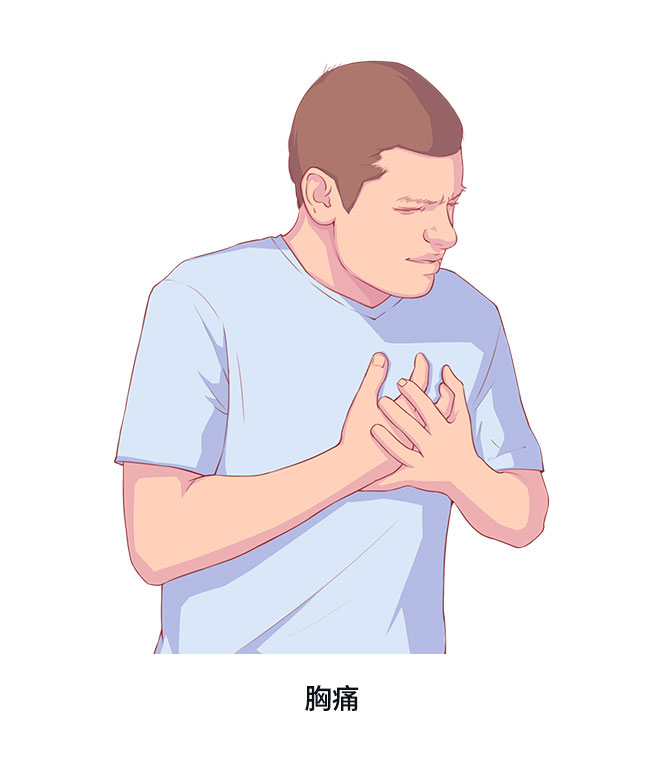
Chest symptoms
- Persistent chest pain, or pain in the back of the shoulder that is worse with deep breathing.
- New onset wheezing.
- Shortness of breath that gets progressively worse.
- Heartness of voice.
- Tightness in the chest, palpitations, and difficulty breathing.
Symptoms of the whole body
- Facial and neck edema.
- Difficulty swallowing.
- Weight loss, emaciation, and lack of appetite.
- Feeling fatigue and weakness that gets progressively worse.
- Recurrent high fever.
Metastatic symptoms
Lung cancer metastasizes and may have other symptoms. Metastasis to the bone may cause back or hip pain, and metastasis to the spinal cord may feel numbness or weakness in the extremities.
Metastasis to the brain may cause seizures, headaches, or changes in vision, and metastasis to the liver may cause yellowing (jaundice) of the skin and sclera of the eye (the “white eye”).
Metastasis to the skin or lymph nodes causes immune cells to accumulate in the lesion, resulting in a lump in the neck or above the collarbone.
These symptoms, which are often more commonly caused by other diseases, are easy to take lightly and should be taken seriously once they occur, with immediate medical attention, identification of the cause, and early treatment.
Syndrome
There are also patients with lung cancer who may have some syndromes.
Honer syndrome
Tumors located at the tip of the lung (sometimes called “supraglottic sulcus”) can cause drooping eyelids on one side, narrow pupils, little or no sweating on the same side, and sometimes severe shoulder pain when the tumor invades the sympathetic nerves.
Superior vena cava syndrome
The superior vena cava (SVC) is the large vein that returns blood from the head and upper extremities to the heart, and it flows through the upper right lung and lymph nodes in the chest.
If tumors develop in these areas, they may compress the superior vena cava, preventing venous blood from returning to the heart and eventually causing swelling in the face, neck, upper extremities, and upper chest, and the skin may be bluish.
If the brain is involved, it may cause headache, dizziness, and altered consciousness, which progresses over time and may even be life-threatening, and should be treated immediately if it occurs.
Paraneoplastic syndrome
Some lung cancers can produce hormone-like substances that enter the bloodstream and cause lesions in the distal tissues of the body, a condition known medically as paraneoplastic syndrome.
Sometimes, paraneoplastic syndrome is the first symptom in patients with lung cancer, and because it does not present with pulmonary symptoms, many patients and doctors will first suspect a cause other than lung cancer.
Abnormal antidiuretic hormone secretion syndrome
Common lung cancer-related paraneoplastic syndromes include:
- Syndrome of abnormal secretion of antidiuretic hormone (SIADH).
- Cancer cells produce antidiuretic hormone (ADH), resulting in decreased renal drainage and lower blood sodium levels.
- The body may show fatigue, loss of appetite, muscle weakness or cramps, nausea, vomiting, agitation, and confusion.
- If left untreated, seizures and coma may occur in severe cases.
- Cushing’s syndrome.
- Cancer cells produce adrenocorticotropic hormone (ACTH), which promotes cortisol secretion by the adrenal glands, and the body may exhibit symptoms such as weight gain, easy bruising, fatigue and weakness, drowsiness, and edema.
- In addition, Cushing’s syndrome may lead to elevated blood pressure and blood sugar, and even trigger diabetes.
.
- Nervous system abnormalities.
- Lung cancer can trigger the body’s immune system to attack the nervous system, causing corresponding disorders, such as myasthenia gravis syndrome, in which the person feels weakness in the muscles around the hips, which may initially manifest as difficulty in getting up from a sitting position, and then may develop weakness in the shoulder muscles.
- In another rare condition, patients may not be able to maintain balance, have unstable limb movements, and have difficulty speaking or swallowing, a condition known medically as paraneoplastic cerebellar degeneration (PCD).
- High blood calcium levels (hypercalcemia).
- It can lead to frequent urination, thirst, constipation, nausea, vomiting, abdominal pain, weakness, fatigue, dizziness, confusion and other neurological symptoms.
- Excessive or thickened bone growth.
- Most often seen in the fingertip area, which can cause pain.
- Blood clots.
- Gynecomastia (male gynecomastia).
These symptoms, which are also mostly caused by other diseases, should be seen as soon as they occur to identify the cause and treat them early.
Related reading:
Co-reviewed by Dr. Chen Zhiyong, Guangdong Provincial People’s Hospital Dr. Wei Xuewu, Guangdong Provincial Lung Cancer Institute.