There is a lot of talk about radiation in our lives, and there are even reports in the news of pregnant women going door to door asking their neighbors to turn off their WiFi because they are worried about the effects of radiation. The company’s main goal is to provide a more efficient and effective way to improve the quality of life.
First of all, what we call “radiation” is actually divided into two categories: ionizing radiation and non-ionizing radiation. The first of these is ionizing radiation, which can cause lung cancer, but there is no good evidence that non-ionizing radiation causes lung cancer.
Here are some details.
Ionizing radiation can increase the risk of lung cancer
First, let’s talk about what “ionizing radiation” is. Ionization is a physics concept that refers to the process by which electrons in an atom or molecule of matter become free. Ionization is produced by high-energy radiation, which includes gamma rays, X-rays, and alpha particles, beta particles, protons, and so on.
Do we get exposed to these radiations?
First, radiation is everywhere, and we are exposed to cosmic rays and small doses of natural radiation in the soil, water, and air every day. Some life scenarios (below) also expose us to ionizing radiation, but most radiation doses are in the safe range.
- Medical examinations (e.g., X-rays, CT, PET, radioisotope examinations)
- Radiotherapy
- Long distance air travel (mainly cosmic rays)
- Other, such as smoking, luminous watches, marbles, smoke detectors, CRT monitors and CRT TVs, etc.
Ionizing radiation causes lung cancer, with important early data coming from Japanese atomic bomb survivors. Researchers found that people exposed to a single high dose of gamma radiation had an increased risk of lung cancer. The higher the dose, the higher the risk.
In addition researchers found an increased risk of lung cancer in patients who received earlier radiation therapy techniques for breast cancer. An analysis of more than 760,000 breast cancer patients showed that the risk of lung cancer was 1.39 times higher in patients who received radiation therapy than in those who did not receive radiation therapy.
How do you avoid receiving ionizing radiation?
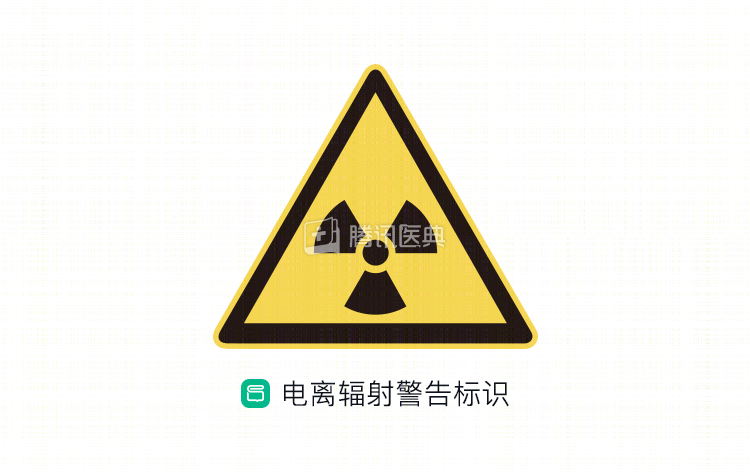
- First, places where ionizing radiation is present usually have the following signs to alert you to the danger.
- Don’t bring home items that may have ionizing radiation, or that are of unknown origin.
- Reasonable amounts of radiation should be given for medical examinations and treatments.
Current evidence does not support an increased risk of lung cancer from non-ionizing radiation
Unlike ionizing radiation, non-ionizing radiation is low in energy and is not sufficient to produce ionizing effects, but mainly manifests as thermal effects. The radiation from cell phones, various household appliances (such as microwave ovens, computers, air conditioners, heaters, bath bombs, induction cookers, hair dryers), sunlight, ultrasound, and power lines and communication base stations that are distributed everywhere are all non-ionizing radiation that is with us every day.
The biological effects of non-ionizing radiation have been explored in numerous studies over the past 30 years. More recently, the World Health Organization (WHO), after an in-depth review of the scientific literature, stated that the current evidence is insufficient to confirm any health consequences from low-intensity exposure to non-ionizing radiation.
The authors of the 4th edition of the European Code Against Cancer also state that there is no clear evidence that non-ionizing radiation is the cause of cancer.
Co-reviewed by: Guangdong Provincial People’s Hospital Guangdong Lung Cancer Research Institute Dr. Pan Lian Dr. Chen Zhiyong Dr. Zhang Jiatao