Coughing can occur at all times of our lives. Smoking, frying, catching a cold, or even smelling something that makes you feel uncomfortable can all lead to coughing.
As knowledge of tumors becomes more widespread and people notice the correlation between cough and lung cancer, they can’t help but worry about whether they will get lung cancer whenever a cough occurs.
In fact, having lung cancer does not necessarily mean that you have a cough, and a cough does not necessarily indicate that you have lung cancer. The main reason people are concerned about coughing is that it is the most common symptom of lung cancer, and about 2/3 of lung cancer patients have varying coughs, some accompanied by coughing sputum. Cough is also easy to observe and feel.
Why does lung cancer cause a cough?
The human respiratory tract is like an upside-down tree, with the trachea considered the “trunk”, the bronchi like “branches”, and the alveoli like “leaves” hanging from the bronchi. The respiratory tract is covered with a mucous membrane, like the “bark” of a tree. The first thing you need to do is to get rid of the foreign substances that are not part of your body, or that are produced by your body, and stimulate the mucous membrane of your respiratory tract.
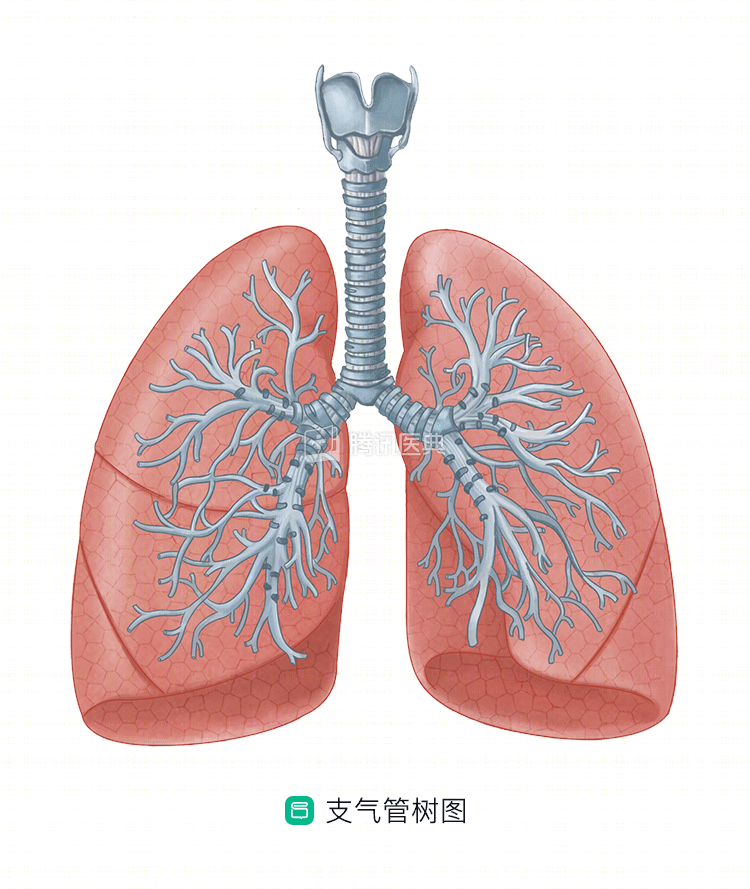
Cough caused by lung cancer is mainly due to irritation of the bronchial mucosa by the tumor itself or by secretions. The cough manifests itself differently from person to person depending on where, how and how fast the tumor grows in the lung. When the tumor cells grow in the “trunk” or “large branches”, there will be paroxysmal irritating choking cough, no sputum or little foamy sputum; when the tumor cells grow in the “small trunk” or “leaves”, there will be paroxysmal irritating choking cough, no sputum or little foamy sputum. When the tumor cells grow in the “small trunk” or “leaves”, the cough is mild and there may be mucus sputum. When there is secondary infection, the sputum volume increases or pus sputum appears; if the tumor grows into the lumen, there may be intermittent or persistent blood in the sputum.
Cough is not exclusive to lung cancer
Other diseases, such as respiratory, pleural, and cardiovascular, among many others, can also cause cough:
- Respiratory tract diseases, including inflammation, tumors, and foreign bodies;
- Pleural disease, such as pleurisy or pneumothorax;
- Cough from cardiovascular disease is more complex – cough can be triggered by leaks in the alveoli and bronchi when mitral stenosis or other causes of left heart insufficiency cause pulmonary stasis and pulmonary edema; right heart or body circulation venous emboli (small abnormal particles in the circulation, such as blood clots, air bubbles, and tumor tissue that can block blood vessels) can also cough when they are dislodged and lead to pulmonary embolism.
.
These coughs may indicate lung cancer, so keep your eyes peeled
.
Be on the lookout for lung cancer if the following types of coughs occur:
- A sudden onset of cough without any precipitating factors, with recurrent episodes of long duration (more than 2 weeks);
- A long-standing chronic cough with a sudden change in the state of the cough, or a nocturnal cough;
- Cough followed by anti-infective, phlegm-suppressing medications, with no relief of cough after 2 ~ 3 weeks.
- Unexplained hemoptysis, especially with blood in the sputum.
If any of the above occurs, pulmonary imaging and specialist consultation are recommended.
Co-reviewed by: Guangdong Provincial People’s Hospital Guangdong Lung Cancer Institute Dr. Yue-Li Sun Dr. Xiaoxiao Peng
Co-authors: Dr. Ma Yue, Department of Oncology, Renji Hospital, Shanghai Jiao Tong University