When it comes to diabetes, many people know that the typical symptoms are “three more and one less”, i.e., eating more, drinking more, urinating more, and losing weight. However, according to statistics, 50% of people with diabetes never have the symptoms of “three more and one less” at the onset of the disease, but only have some symptoms associated with diabetes or symptoms of decreased organ function. The fact that these symptoms are not specific makes it easy for patients to mistake them for other diseases and ignore the “arrival” of hyperglycemia.
Symptoms of diabetes are not specific. Common symptoms include itchy skin and vulva, loss of vision, increased urination (especially at night), numbness in the hands and feet (pins and needles), flaky skin, panic attacks, dizziness (high blood sugar leading to high blood viscosity and electrolyte imbalance), and insomnia, all of which can be signs of high blood sugar. The following are some of the more common and easily overlooked symptoms to keep an eye out for in particular.
- Itchy skin. When unexplained itching of the skin occurs, especially in older adults, it is important to rule out diabetes in addition to considering it as geriatric and seasonal itchy skin. Check your blood sugar for persistent itching.
- Changes in vision. If you usually wear presbyopic glasses to read the newspaper, but your vision has suddenly “improved” and you can read the newspaper without presbyopic glasses, it may be due to a distortion of the lens caused by high blood sugar, which has “improved” your eyesight.
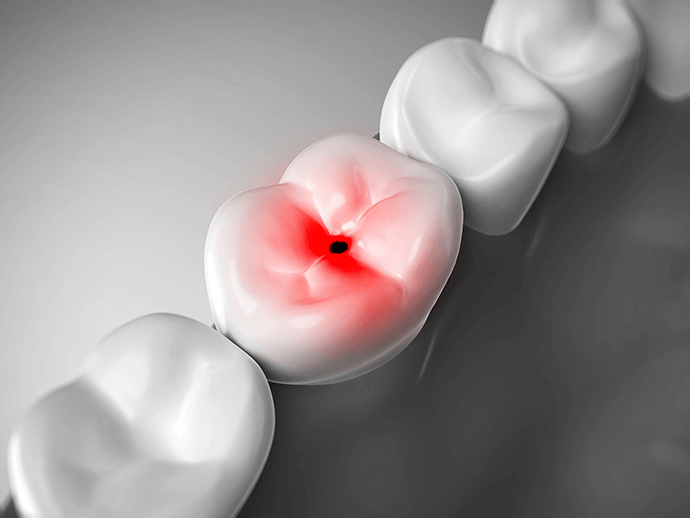
- Tooth decay is “all over the place”. Recurrent infections in diabetes can manifest in multiple sites, such as the mouth, skin, urinary tract, and lungs, and are characterized by recurrent episodes that are difficult to heal, so consider hyperglycemia if these occur.
- Vulvar itching. Female patients are prone to vaginal infections because women have a shorter urinary tract and the vagina is only separated from the urinary tract by a wall, while male patients are prone to dizziness, vascular occlusion, and insomnia, especially in people who smoke and whose symptoms are more prominent if they have poor vascular function.