Why should I be wary of unexplained weight loss?
For people who keep their weight under strict control, even a 1 kg increase on the scale can trigger a wave of panic. But the truth is that weight loss over a short period of time, especially unexplained weight loss, is the scary thing.
So, how much weight loss is cause for alarm? Why?
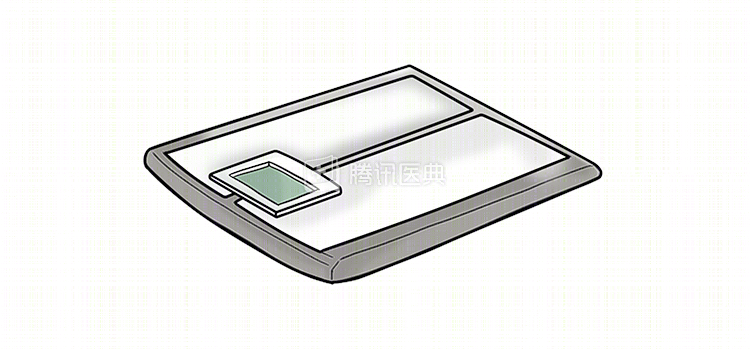
Unexplained weight loss is defined as a weight loss of 5%, or more than 10 pounds (1 pound equals about 0.454 kg, so 10 pounds is close to 4.54 kg) in 6 to 12 months that is not due to dieting, exercise, or weight loss medications.
Because metabolic changes in the tumor itself can lead to weight loss, patients need to be alert for cancer when unexplained weight loss occurs. Lung cancer is the most common cancer, and one of its most common symptoms is unexplained weight loss.
What should I do if unexplained weight loss occurs?
When unexplained weight loss occurs, you should consult your doctor and get further tests as recommended by your doctor. In particular, it is important to visit the hospital to investigate the possibility of lung cancer if the following symptoms occur:
- Chronic cough (mostly irritating dry cough);
- blood in sputum or bloody sputum;
- chest pain;
- fever;
- Shortness of breath, etc.
On arrival at the hospital, your doctor may take blood (to check for tumor markers in the blood), a chest CT, or even a bronchoscopy or thoracoscopy to check for tumors.
Why does lung cancer cause enlarged lymph nodes? What should I do about it?
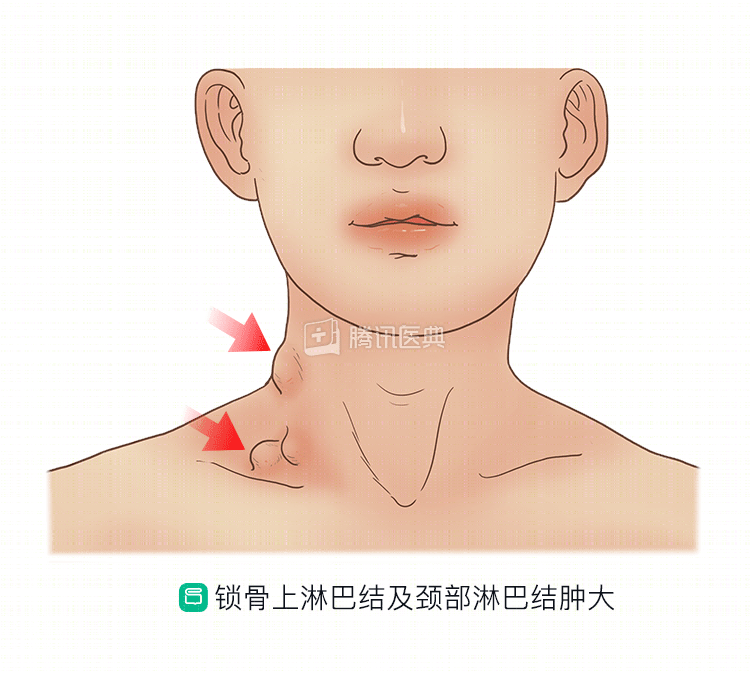
In addition to unexplained weight loss, if you also have swollen lymph nodes in the neck or above the collarbone, especially if the swollen lymph nodes are not accompanied by pain and pressure, you should also be alert to the possibility of cancer. This is because cancer cells can metastasize to adjacent lymph nodes along with lymphatic vessels. In the case of lung cancer, for example, cancer cells can gradually metastasize into the lungs, mediastinum, and lymph nodes in the neck.
 & nbsp;
When any of these conditions occur, you should seek prompt medical attention. Your doctor will perform a series of tests based on your signs and symptoms.
Co-reviewed by: Guangdong Provincial People’s Hospital Guangdong Lung Cancer Research Institute Dr. Chen Zhiyong, Chief Physician, Dr. Chen Zhiyong Dr. Zhang Jiatao