The main treatment options for type 2 diabetes are lifestyle changes, oral medications, insulin therapy, and surgery.
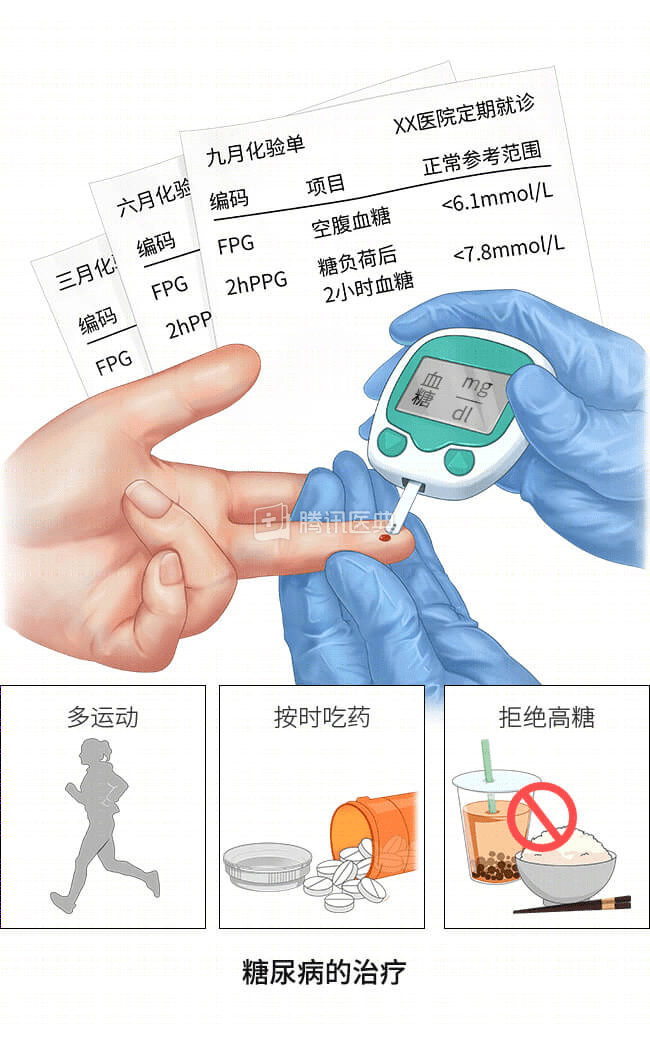
Lifestyle changes
This is the basic treatment for type 2 diabetes, by adjusting total dietary energy, diet structure, and meal allocation, along with appropriate exercise, to control blood glucose to keep it dynamically stable, maintain ideal weight, and slow progression. Regardless of which other treatment modality is subsequently adopted, it needs to be coupled with a proper lifestyle.
Diet
Patients should reduce their intake of staple foods with high sugar content, such as pasta, cakes, and cookies. Control the intake of greasy foods, such as animal fats, animal offal, and fried foods. Consume more fresh vegetables rich in fiber, such as winter melon, celery, cucumber, etc. Fruits can be consumed appropriately, do not consume too much for fruits with high sugar content such as watermelon and banana.
Exercise
Patients should make a suitable exercise plan according to their tolerance and be persistent, choosing low-intensity exercise at first and then gradually increasing the intensity. The actual fact is that you can find a lot of people who have been in the business for a long time. Elderly patients should exercise with extra caution and avoid high-intensity exercise to prevent sudden accidents during exercise. Patients with diabetes complicated by gangrene, severe coronary heart disease, fundus bleeding, and severe diabetic nephropathy should not exercise for the time being.
Medication
When diet and exercise do not bring blood glucose up to standard, prompt use of medications, divided into oral medications and injectable insulin, is needed. Your doctor may prescribe more than one medication. The details are as follows:
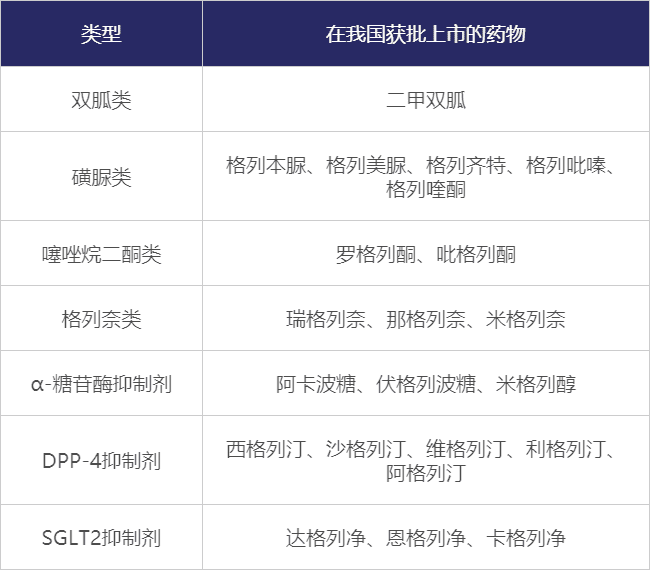
Insulin is also an important tool for controlling high blood sugar. Insulin can be given through a syringe, an insulin pen, or an insulin pump. Of these, the insulin pen is more convenient and the insulin pump provides a continuous and steady infusion of insulin.
- Quick-acting insulin: can be used for rescue, and it works within 15 to 30 minutes after injection to effectively control blood sugar after a meal. There is also a more rapid-acting insulin, but it has a shorter duration of action
- Medium-acting insulin: although it takes longer to work, it also has a longer duration of action and is good for controlling blood sugar at night and between meals
- Long-acting insulin: It can keep blood sugar stable throughout the day and can be used at night, between meals, and when fasting is required. In some cases, the duration of action can even exceed 24 hours
- Blends of insulin: Contains both long-acting and fast-acting insulin components, also known as “premixed insulin”
- In addition to insulin, two other non-insulin drugs are included:
- Glucagon-like peptide-1 (GLP-1) receptor agonists: They promote insulin secretion and also inhibit the liver’s conversion of non-sugar substances into glucose or glycogen. There is a wide variety, with some drugs requiring daily injections and others requiring only 1 injection per week
- Trypsin analogs: inhibit digestion, lower blood glucose levels, and inhibit the liver’s conversion of non-sugar substances to glucose or glycogen, and are given before meals
Surgical treatment
Some people with diabetes are too obese and may need surgical treatment. Bariatric surgery can lower blood glucose in obese type 2 diabetic patients. It is usually recommended that patients with a body mass index >35 may consider bariatric surgery, mainly gastric restriction, gastric bypass, duodenal diversion, and small bowel resection, with gastric bypass having the best effect. assessment to see if it is suitable for the surgery.
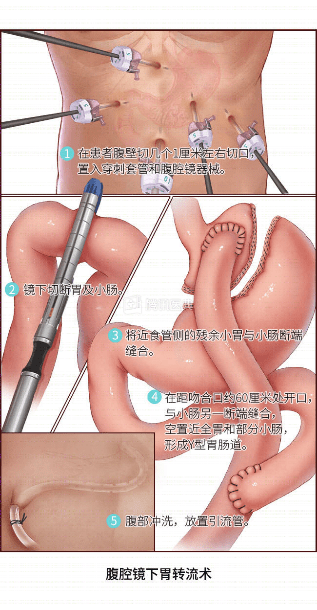
Post-operative patients still need lifestyle changes, regular testing of their condition, and lifelong review, which need to be considered before surgery. If you want to learn more about gastric bypass, click on the link below: