The overall goal of treating type 2 diabetes in children and adolescents is to control blood glucose in a reasonable range and to prevent and control various complications, but at the same time to take into account the growth and development of children and adolescents. Specific treatments include lifestyle interventions, pharmacotherapy, and surgery.
Lifestyle interventions
- Modification of diet
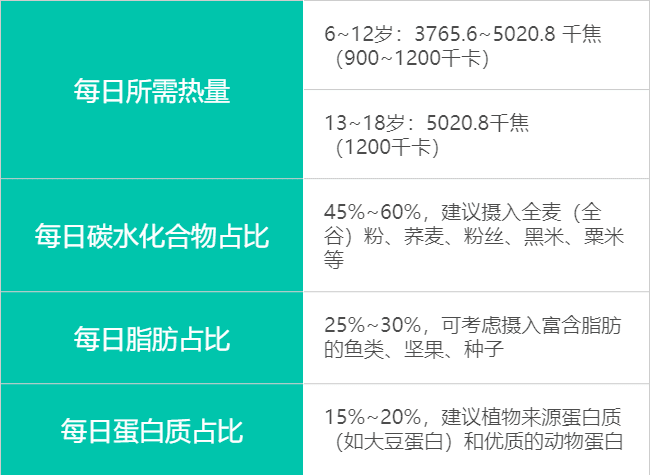
- Exercise properly

Medication
Usually treated with metformin, insulin.
- This is what you need to know about metformin
Treatment with metformin may be recommended if the child has a random blood glucose of <13.9 mmol/L and is asymptomatic, or a glycated hemoglobin of <9%.
Tablet metformin is recommended to be taken with a meal or immediately after a meal to reduce gastrointestinal distress. Enteric tablets and capsules can be taken 30 minutes before a meal so that they reach the intestines as soon as possible and work more quickly. It should be noted that long-term use of metformin may lead to vitamin B12 deficiency, manifesting as tingling of the hands and feet, itching of the tongue, and irritability, so parents can allow their children to eat foods rich in vitamin B12, such as meat, fish, shellfish, eggs, and poultry, in moderation, and review vitamin B12 levels every one to two years. levels and supplement vitamin B12-related medications as needed.
- This is what you need to know about insulin therapy
Insulin therapy may be recommended if the child has a random blood glucose >13.9 mmol/L or a glycosylated hemoglobin >9%, or if the child has developed diabetic ketoacidosis or is metabolically unstable.
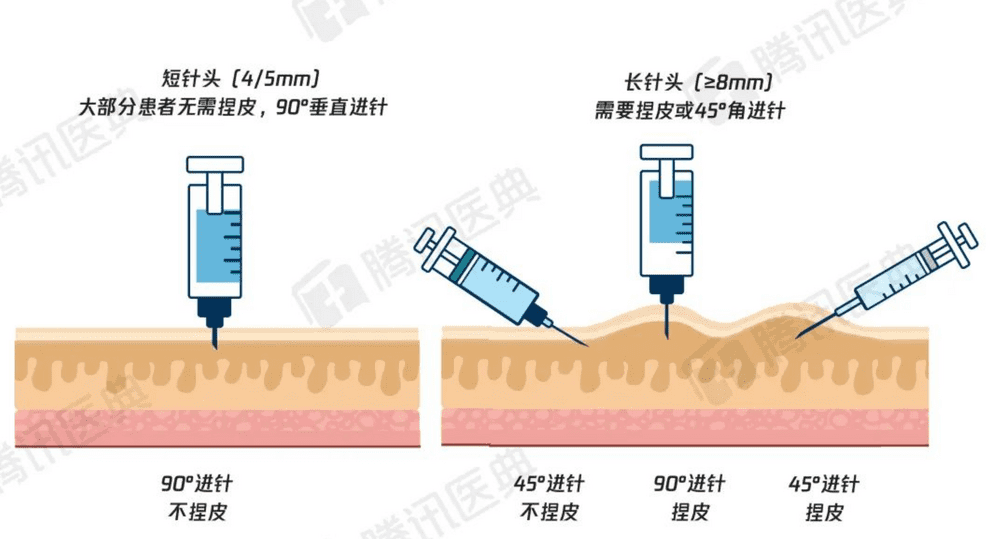
If blood glucose is not controlled with insulin alone, consider combining it with metformin. If it is still not controlled, the doctor will gradually increase the number of insulin injections and dose until the blood glucose is normal, and then taper the dose. During the process of medication, parents should pay attention to the weight change and blood sugar of the child and inform the doctor in time. For more information on how to use the insulin pen to inject insulin, please see the following chart:
Surgical treatment
There are few studies on surgical treatment of diabetes in children and adolescents. A special reminder is that if a child does have an indication for surgical treatment, it should always be done at a major hospital with experience in this treatment.