There is a small amount of fluid between the lungs and the chest wall (“pleural space”) that serves as a lubricant during the respiratory motion of the lungs. Normally the fluid is about 20 mL.
If there is an abnormal increase in this fluid, it is called pleural effusion. A large amount of pleural effusion can increase the burden on the lungs and cause breathing difficulties. Many causes can cause pleural effusion, such as infection, inflammation, heart failure, or cancer.
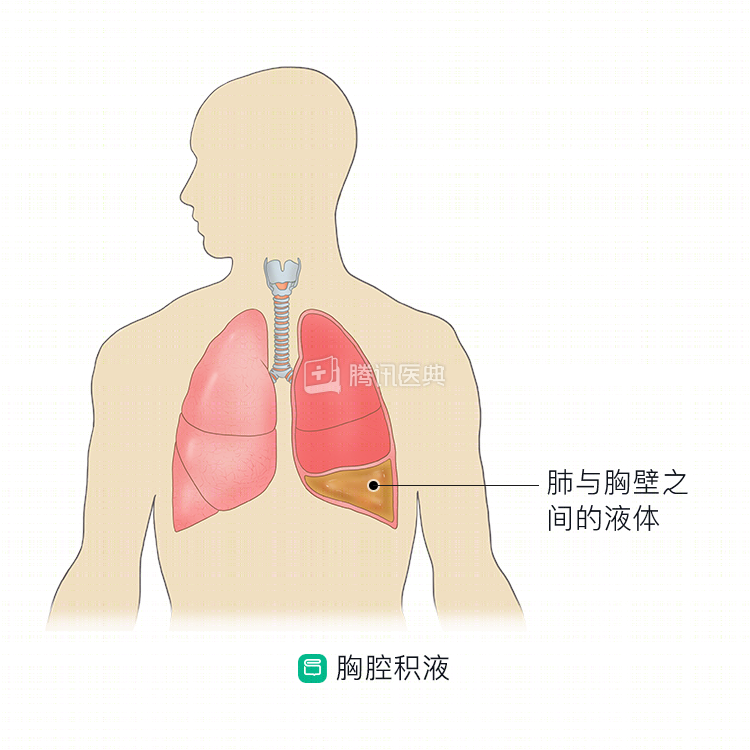
Doctors need to take a portion of the fluid to diagnose the cause, an operation called thoracentesis. Doctors can also perform a thoracentesis to extract fluid for examination while relieving pressure on the lungs.
How is a thoracentesis done?
The doctor will insert a thin needle through the pleural space to extract some of the fluid. You can sit on the edge of the bed or table, leaning forward, with your upper arm resting on the table. This position stretches out the area between the ribs and makes it easier to examine. Usually, the doctor will help confirm the exact site of fluid accumulation by means of ultrasound to find the most appropriate location for the needle to be inserted.
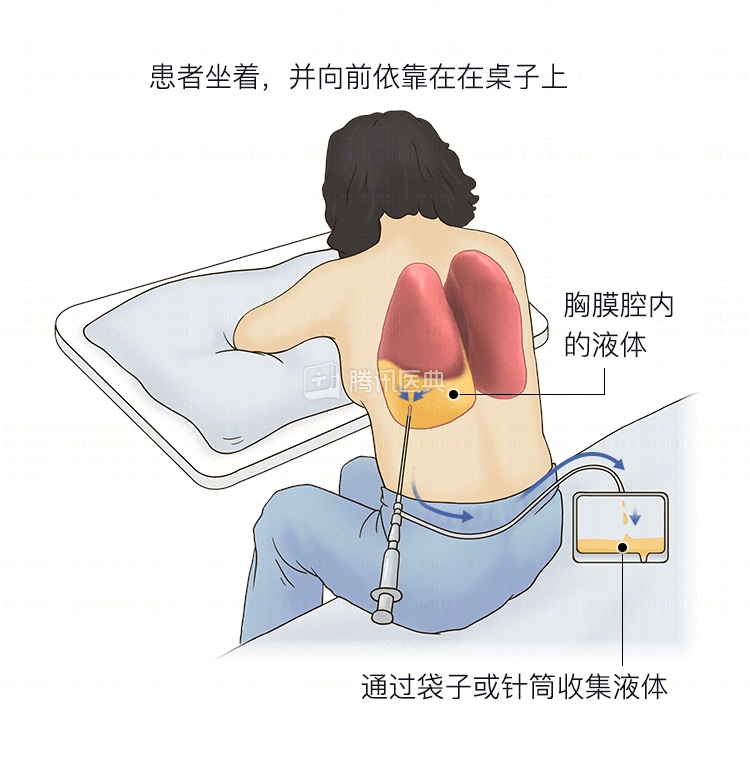
The doctor will clean and sterilize the skin at the entry site and administer local anesthesia. During the local anesthesia, if you experience cold sweats, dizziness, or the urge to cough, you can raise your hand to signal. The doctor will then insert the needle through the back between the ribs to extract the fluid. During the procedure, you may be asked to hold still, exhale or hold your breath, so please cooperate with the doctor accordingly. You may feel slight pain or pressure as the needle is inserted into the pleural cavity. If a large amount of fluid is withdrawn, you may feel a desire to cough or chest pain. After the extraction is completed, the doctor will remove the needle and apply a small bandage to the entry point. The wound does not require stitches and will heal on its own.
This test does not require hospitalization and can be done on an outpatient basis. The procedure usually takes about 10 to 15 minutes. If a large amount of fluid needs to be removed, it may take longer.
After the test, the provider will monitor your blood pressure, pulse, and breathing to make sure there are no adverse effects. Before leaving the office, the doctor may also check that the bandage is intact. The sample taken will be sent to the laboratory for testing.
What do I need to do to prepare?
Before the test, the doctor may tell you what to expect. You may also need to be aware of or prepare for the following:
- Blood tests may be needed before the test to see if your kidneys and blood clotting are normal.
- Before the visit, make a list of all medications or supplements you are taking and which ones you are allergic to. A thoracentesis requires anesthesia, and the doctor needs to know if the patient is allergic to anesthetics.
- Inform your doctor if you are pregnant or think you may be pregnant.
- Ask a friend or relative to help drive you home, as you may feel dizzy and weak after the test because of the anesthetic.
What may happen after the test?
After the exam, diet and physical activity are scheduled according to the doctor’s recommendations. A chest x-ray is usually done to assess whether the lungs are distended or if there is a pneumothorax after drainage. In the meantime, you will need to see your doctor if you have any of the following:
- High fever with a temperature of 38°C or higher
- Redness, swelling, and bleeding at the needle site, or fluid coming out
- Incompetent breathing or chest pain
What are the possible risks of thoracentesis?
Any surgical procedure can carry potential risks. In general, thoracentesis is safe.
Possible complications include pulmonary edema, pulmonary atrophy (i.e., pneumothorax, where gas enters the pleural cavity and causes pneumatization), wound pain, bleeding, bruising, or infection. Less common complications include liver or spleen injury.
Co-reviewed by: Guangdong Provincial People’s Hospital Guangdong Lung Cancer Institute Dr. Dong Song Dr. Zhang Chao