Approval Date:
Date of revision:
Ibuprofen Injection Instructions
Please read the instructions carefully and use under the guidance of a physician. Use

[Drug Name]
Generic name: Ibuprofen Injection
English name:Ibuprofen Injection
Hanyu Pinyin:Buluofen Zhusheye
[Composition]
The main ingredient of this product is ibuprofen, and the excipients are arginine and water for injection.
Chemical name:α-methyl-4-(< span style="font-family:Times New Roman">2-methylpropyl)phenylacetic acid.
Chemical structure formula:
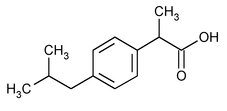
Molecular Formula:C13H18O2
Molecular weight:206.28
[Properties] This product is a clear, colorless or almost colorless liquid.
[Indications]
For the treatment of mild to moderate pain in adults and as an adjunct to opioid analgesics for the treatment of moderate to severe pain.
For the antipyretic treatment of fever in adults.
[Specifications]
(1)4ml:0.4g; (2)8ml:0.8g
[Dosage]
Use the lowest effective dose in the shortest dosing cycle based on individualized patient treatment goals.
Dose and dosing frequency should be adjusted to individual patient needs based on the patient’s response to the initiation of therapy, with the maximum daily dose for adults not exceeding3.2g, and to reduce the risk of renal adverse reactions, patients need to be adequately hydrated prior to dosing.
Dosing Instructions:
This product must be diluted before use.
The final use concentration after dilution should not exceed4mg/mL, dilution solution should be 0.9% sodium chloride injection only, not glucose injection.
0.1gDosage: Add this product < 1mlinto not less than100ml. Roman”>100ml of the dilution solution.
0.2g Dose: Add this product2mlto not less than100ml of diluent.
0.4gDosage: Add this product4mlto not less than100ml< span style="font-family:Arial">in the dilution solution.
0.8gDose: Add this product8mlto not less than200ml of diluent.
The suspended particles and discoloration of the original and diluted solution should be observed by naked eye before use , and do not use if emulsion, opaque particles, discoloration or other exogenous particles are found.
Diluted injectable solution at room temperature (20to25℃) and indoor light conditions can be maintained =”font-family:Times New Roman”>24hours stable.
Adult analgesia:
0.4g~0.8g intravenously, as needed every6< span style="font-family:equinox">hourly repeat dosing. Infusion time should be no less than < span style="font-family:Times New Roman">30< span style="font-family:equinox">minutes. Maximum daily dose3.2g.
Adult Fever:
0.4g intravenously, as needed per “font-family:Times New Roman”>4to6as needed “font-family:equinox”>hourly repeat dosing0.4gor every4hourly repeat dosing0.1to0.2g. The infusion time should be no less than 30 minutes. Maximum daily dose3.2g.
[Adverse reactions] According to foreign literature
The most common adverse reactions include nausea, flatulence, vomiting, headache, bleeding, dizziness, the incidence of the above adverse reactions< span style="font-family:Times New Roman">>5%.
Because clinical studies are conducted under different conditions, the incidence of adverse reactions in clinical trials for one drug cannot be directly compared to the incidence of adverse reactions in clinical trials for another drug and may not reflect the actual observed incidence.
Adult patients
Foreign clinical studies that included a total of560patients (analgesia438patients, fever122cases). In the analgesia study, intraoperative ibuprofen injection was given at a dose of 0.4 g or 0.8g per6hourly for 3days. In the fever study, the doses administered were 0.1g, 0.2gor0.4g for every4 or6hourly, administered continuously3day. The most common adverse reaction to oral ibuprofen is a gastrointestinal reaction.
Analgesia studies:
The incidence of adverse reactions listed in the table below is derived from multicenter, controlled clinical studies conducted abroad. These studies evaluated the efficacy of ibuprofen injection for postoperative analgesia in patients receiving concomitant postoperative morphine analgesia on demand, with placebo as a control. Table1:Ibuprofen injection in postoperative pain patients in clinical studiesObserved unadverse reactions (incidence< span style="font-family:Times New Roman">≥3%)*
|
Adverse reaction type |
Ibuprofen Injection |
placebo (N=287) |
||
|
0.4g(N=134) |
0.8g(N=304) < /td> | |||
|
any response |
118(88%) |
260(86%) |
258(90%< span style="font-family:equals">) |
|
|
Nauseous |
Nauseous |
77(57%) |
161(53%) |
179(< 62%) |
|
Vomiting |
30(22%) |
46() 15%) |
50() 17%) |
|
|
Gastrointestinal distention |
“padding-left: 7px; padding-right: 7px”>
10(7%)< |
< span style="font-family:Times New Roman">49(16%) |
44(< span style="font-family:Times New Roman">15%) |
|
|
Headache |
12 (9%) |
< span style="font-family:Times New Roman">35(12%) |
31(< span style="font-family:Times New Roman">11%) |
|
|
bleeding |
13 (10%) |
< span style="font-family:Times New Roman">13(4% >) |
16(6%) |
|
|
Dizziness |
8< span style="font-family:equinox">(6%) |
13(4%) |
5(2%) |
|
|
peripheral edema |
1(<1%) |
9(3%) |
< p style="text-align: center">4(1%) | |
|
Urinary retention |
7(5%) |
10() 3%) |
10(3%) | |
|
Anemia |
5(4% “font-family:isoline”>) |
7(2%) |
6(2%) |
|
|
Lowered hemoglobin |
4(3%) |
< span style="color:black">6(2%) |
3(1%) |
|
|
6(4%) |
4(1%) |
2(<1%) |
Wound bleeding |
Wound bleeding |
4< span style="font-family:equinox">(3%) |
4(1%) |
< span style="font-family:Times New Roman">4(1%) ) |
|
Abdominal discomfort |
4(3%) |
2(<1%) |
0 |
|
|
cough |
4(3%) |
2(<1%) |
1(<1%) ) |
|
|
Low blood potassium |
5(4%) |
3(<1%) |
8(3%) |
|
* All patients in this study were treated with morphine.
Fever study:
Fever studies were conducted in hospitalized patients with malaria and multiple other causes of fever. In febrile inpatients with malaria, adverse reactions including abdominal pain and nasal congestion were observed in at least2 patients treated with ibuprofen injection.
In patients hospitalized with fever (multiple causes), all treatment groups observed2 “font-family:equine”>adverse reactions occurring in more than one case are included in the table below.
Table2: ibuprofen injection in febrile patients in clinical studies observed =”color:black”> of adverse reactions (incidence≥3%)
|
Type of adverse reaction |
Ibuprofen Injection |
placebo (N=28) |
||
|
0.1g(N=30N=30) |
0.2g(N=30) |
< span style="color:black">0.4g(N=31) |
||
|
any response |
27(87%) |
< p style="text-align: center">25(83%) |
23(74%) |
25(89%< span style="font-family:equinox">) |
|
Anemia |
5(17%) |
6(20%) |
11(36%) |
4(14%)) |
|
Eosinophilia |
7(23%) |
7(< span style="font-family:Times New Roman">23%) |
8< (26%) |
< span style="font-family:Times New Roman">7(25% >) |
|
< span style="color:black; font-family:equine">Low blood potassium |
4(< span style="font-family:Times New Roman">13%) |
4< (13%) |
< span style="font-family:Times New Roman">6(19% >) |
5(18%) |
|
Low Proteinemia |
3() 10%) |
0 |
4(13%) |
2(7%) |
Neutropenia |
2(7%) |
2(7%) /td> |
4(13%) > |
2(7% ) |
|
Elevated blood urea |
0 |
0 |
< span style="font-family:Times New Roman">3(10% >) |
0 |
|
hyperonatremia |
2() 7%) |
0 |
3(10%) |
0 |
|
Hypertension |
0 |
0 |
0 |
3< span style="font-family:equinox">(10%) |
|
Low Albuminemia |
3(10%)< /span> |
1(3%) |
3(10%) |
1(4%< span style="font-family:equals">) |
|
Low blood pressure |
0 |
2(7%) |
3(10%) |
1(4%) |
|
Diarrhea |
< p style="text-align: center">3(10%) |
3(10%) |
2( >7%) |
2(7%) |
|
Bacterial pneumonia |
3(10%) |
1(3%) |
2(7%) |
0 < |
|
Elevated blood lactate dehydrogenase |
2(7%) |
1(3%) |
1(4%) |
|
|
Thrombocytosis |
3(10%) |
2(7%< span style="font-family:equinox">) |
1() 3%) |
0 |
|
Bacteremia |
4(13%) |
0 |
0 > |
0 |
< span style="font-family:equals">[contraindicated]
Patients with known hypersensitivity reactions (e.g., allergic reactions and severe skin reactions) to the active ingredient and any excipients;
Patients who have induced asthma, urticaria, or allergic-like reactions after taking aspirin or other NSAIDs including it, and severe and sometimes fatal allergic reactions to NSAIDs have been reported in this group of patients.
Contraindicated in coronary artery bypass grafting (CABG) in patients treated perioperatively.
Patients with a history of gastrointestinal bleeding or perforation following the application of NSAIDs.
with active peptic ulcers/bleeding, or patients with previous recurrent ulcers/bleeding.
Patients with severe heart failure.
[Caution]
(1) Cardiovascular thrombotic events
several use selectiveCOX-2 and nonselective NSAIDs have been shown in three-year-long clinical trials to increase serious cardiovascular thrombotic events, including myocardial infarction and stroke, which can be fatal. Based on the available data, it is not clear whether all NSAIDs have a similar risk of cardiovascular thrombotic events. The increase in serious cardiovascular thrombotic events from baseline caused by NSAIDs appears to be similar regardless of whether the patient has known cardiovascular disease or risk factors for that disease. However, the absolute incidence of very serious cardiovascular events was higher in patients with known cardiovascular disease or risk factors due to the elevated baseline rate. Several observational studies have found an increased risk of serious cardiovascular thrombotic events in the first week of early treatment and are consistent with an increased risk of cardiovascular thrombotic events at high doses.
To minimize the potential risk of adverse cardiovascular events in patients treated with NSAIDs, the lowest effective dose is used for the shortest possible duration of therapy. Even in the absence of prior cardiovascular symptoms, physicians and patients should remain vigilant for such events throughout the treatment cycle. Patients should be informed of the symptoms of serious cardiovascular events and what to do if they occur. Patients should be alert for signs and symptoms such as chest pain, shortness of breath, weakness, and slurred speech, and should seek medical help as soon as any of these signs and symptoms occur.
There is no consistent evidence that concomitant aspirin use attenuates the risk of increased serious cardiovascular thrombotic events associated with NSAID use. The combination of aspirin and NSAIDs such as ibuprofen increases the risk of serious gastrointestinal events.
Coronary artery bypass grafting (CABG) after surgery
In two large, controlled clinical studies, patients underwentCABGafter surgery10to14days with selectiveCOX-2 NSAIDs for analgesia were found to increase the incidence of myocardial infarction and stroke, and NSAIDs were contraindicated inCABGperioperative period. CABG
Patients after myocardial infarction
An observational study registered in Denmark showed that patients treated with NSAIDs after myocardial infarction had an increased risk of reinfarction, cardiovascular-related death, and all-cause mortality from the first week after treatment. In the same cohort study, mortality in the first year after myocardial infarction was 20/100patient-years in patients treated with NSAIDs, whereas patients without NSAIDs had a mortality rate of only12/100patient-years. Despite the decline in absolute mortality at one year after myocardial infarction, the increased relative risk of death among patients using NSAIDs has persisted for at least 4years.
Patients with recent myocardial infarction avoid this product unless the expected benefit outweighs the risk of recurrent cardiovascular thrombotic events. If ibuprofen injection is used in patients with a recent myocardial infarction, monitor the patient for symptoms of myocardial ischemia.
(2) Gastrointestinal Bleeding, ulcers and perforations
NSAIDs (including ibuprofen) cause serious gastrointestinal adverse events, including inflammation, bleeding, ulceration, esophageal perforation, gastric perforation, and perforation of the large or small intestine, and can be fatal. These adverse events can occur at any time of treatment with NSAIDs, with or without warning signs, and regardless of whether the patient has a history of adverse gastrointestinal reactions or a history of serious gastrointestinal events. Only one-fifth of patients who experienced a serious upper gastrointestinal adverse event on NSAID therapy were symptomatic. Patients receiving NSAID therapy3to6months, the incidence of resulting upper gastrointestinal ulcers, severe bleeding, or perforation is approximately1%; patients receiving nonsteroidal anti-inflammatory therapy for 1 year. The resulting incidence of upper gastrointestinal ulceration, severe bleeding, or perforation is about 2%to4%. However, even short-term treatments are not without risk.
Risk factors for gastrointestinal bleeding, ulcers, and perforation
Prior ulcers and/or a history of GI bleeding are at a10fold higher risk of developing GI bleeding with NSAIDs than patients without these risk factors :equivocal”> times. Other factors that increase the risk of GI bleeding in patients using NSAIDs include longer-term treatment with NSAIDs, combination of oral corticosteroids, aspirin, anticoagulants, or selective serotonin reuptake inhibitors, smoking, alcohol consumption, old age, and poor health status. Most post-marketing reports of fatal gastrointestinal events occur in elderly or frail patients. In addition, patients with advanced liver disease and/ or coagulation disorders are at increased risk for gastrointestinal bleeding.
Gastrointestinal risk minimization strategies for patients treated with NSAIDs
–the lowest effective dose in the shortest time; –
–Avoid concurrent use of more than one NSAID;
–Avoid in higher risk patients unless the expected benefit outweighs the increased risk of bleeding. This group of patients, as well as patients with active GI bleeding, should consider alternative therapies to NSAIDs;
–Signs and symptoms of gastrointestinal ulceration and bleeding during NSAID therapy remain Be alert;
–If a serious gastrointestinal adverse event is suspected, immediately initiate evaluation and treatment by Discontinue use of the product until a serious gastrointestinal adverse event is ruled out;
–In combination with low-dose aspirin for prevention of cardiac disease, closely monitor patients for with evidence of gastrointestinal bleeding.
(3) Hepatotoxicity<
In clinical studies reported in patients treated with NSAIDs, approximately1% =”font-family:equivocal”> of patients with ALT orASTvalues are elevated (above the upper limit of normal3fold or more). In addition, rare and sometimes fatal cases of severe liver injury have been reported, including fulminant hepatitis, hepatic necrosis, and liver failure. Up to15% of patients treated with NSAIDs, including ibuprofen, developALTorASTvalues are elevated (less than three times the upper limit of normal). Inform the patient of warning signs and symptoms of hepatotoxicity (e.g., nausea, fatigue, drowsiness, diarrhea, pruritus, jaundice, right upper abdominal pressure, and flu-like symptoms. If clinical signs and symptoms consistent with liver disease occur, or if systemic manifestations occur (e.g., eosinophilia, rash), discontinue the product immediately and perform a clinical evaluation.
(4) Hypertension< /span>
NSAIDs, including ibuprofen injection, can cause new-onset hypertension or worsen existing hypertension, either of which may lead to an increased incidence of cardiovascular events. The use of NSAIDs in patients taking angiotensin-converting enzyme (ACE) inhibitors, thiazide diuretics, or medullary diuretics may affect these The efficacy of antihypertensive drugs.
Patients with hypertension need to have their blood pressure monitored at the beginning and throughout the treatment cycle of NSAID therapy.
(5) Heart failure and edema
A meta-analysis of randomized controlled trials showed that, compared with patients treated with placebo, patients receiving selectiveCOX-2 treated patients and non-selective NSAID-treated patients had approximately2increased heart failure hospitalizations. family:equinox”>fold. In the Heart Failure Study conducted in the Danish registry, NSAIDs increased the risk of myocardial infarction, hospitalization for heart failure, and death in patients.
In addition, fluid retention and edema have been observed in some patients treated with NSAIDs. The use of ibuprofen may attenuate the effects of multiple therapeutic agents[such as diuretics, angiotensin-converting enzyme (ACE) inhibitors or angiotensin receptor blockers ( ARBs)] for cardiovascular therapeutic effects .
Patients with severe heart failure should avoid ibuprofen injection unless the expected benefit far outweighs the risk of worsening heart failure. If it must be used, patients need to be monitored closely for signs of worsening heart failure.
(6) Nephrotoxicity and hyperkalemia
Nephrotoxicity
Long-term administration of NSAIDs can lead to renal papillary necrosis and other kidney damage.
Nephrotoxicity is also seen in patients with compensatory renal prostaglandin maintenance of renal perfusion, in which the use of NSAIDs may lead to a dose-dependent reduction in prostaglandin synthesis and also leads to a dose-dependent reduction in renal blood flow, which can significantly contribute to renal failure. Individuals at highest risk for this reaction include those with renal impairment, dehydration, hypovolemia, heart failure, hepatic insufficiency, who are taking diuretics and ACEinhibitors orARBsin patients, and in the elderly. Return to pre-treatment status is usually possible after discontinuation of NSAID therapy.
No controlled trials have been conducted with this product in patients with advanced kidney disease. The renal effects caused by ibuprofen injection may accelerate the progression of renal dysfunction in patients with nephropathy.
Correction of dehydration or hypovolemic patient volume status is required prior to the use of ibuprofen injection. Patients with renal or hepatic impairment, patients with heart failure, dehydrated or hypovolemic patients need to be monitored for renal function during the use of ibuprofen injection. Avoid use of this product in patients with advanced renal disease unless the expected benefit is substantially greater than the risk of worsening renal function. If use is necessary, patients need to be monitored closely for signs of worsening renal function.
Hyperkalemia
Elevated serum potassium concentrations have been reported in patients on non-steroidal anti-inflammatory drugs . including hyperkalemia, even in some patients without renal injury. In patients with normal renal function, the effect is attributed to a hyporenin hypoaldosteronism state.
(7) Allergic reactions
Ibuprofen can cause anaphylactic reactions in patients with or without known hypersensitivity to ibuprofen and in patients with aspirin-sensitive asthma.
Once an allergic reaction occurs, emergency treatment is required.
(8) Aspirin Worsening of sensitivity asthma
Subgroups of asthmatics who may have aspirin-sensitive asthma include chronic sinusitis with nasal polyps, severe potentially fatal bronchospasm, and/ or aspirin and other NSAID intolerance. Because cross-reactivity between aspirin and other NSAIDs has been reported in such aspirin-sensitive patients, ibuprofen injection is contraindicated in such aspirin-sensitive patients. When ibuprofen injection is used in patients with asthma (with no known aspirin sensitivity), patients need to be monitored closely for changes in asthma signs and symptoms.
(9) Severe skin Reaction
NSAIDs including ibuprofen can cause severe adverse skin reactions such as exfoliative dermatitis, Stevens- Johnson syndrome (SJS ) and toxic epidermal necrolysis (TEN), which can be fatal. These serious events can occur without warning. Patients should be informed of the signs and symptoms of serious skin reactions and the product should be discontinued at the first sign of skin rash or other signs of an allergic reaction. This product is contraindicated in patients who have previously had a severe skin reaction to an NSAID.
(10) fetus Premature atresia of the arterial duct
Ibuprofen can cause premature closure of the fetal ductus arteriosus in pregnancies greater than or equal to30weeks of pregnancy to avoid NSAIDs, including ibuprofen injection.
(11) Hematology Toxicity
Patients treated with NSAIDs have experienced anemia, which may be due to occult blood or significant gastrointestinal blood loss, fluid retention, or due to effects on erythropoiesis that are not fully understood. Monitor hemoglobin and erythrocyte pressure product if the patient develops any signs or symptoms of anemia with ibuprofen injection.
NSAIDs, including ibuprofen injection, may increase the risk of bleeding events. Combination of their–other and lesions (e.g., clotting disorders), or concomitant use of warfarin, other anticoagulants, antiplatelet agents (e.g., aspirin),5-hydroxytryptamine reuptake inhibitors (SSRI) and5-hydroxytryptamine norepinephrine reuptake inhibitors (SNRI) and other conditions may increase this risk, and these patients should be monitored for signs of bleeding.
Ibuprofen injection must be diluted before use, and infusion of undiluted drug can cause hemolytic reactions.
(12) Masking symptoms of inflammation and fever
The pharmacological activity of ibuprofen injection in reducing inflammation and fever can diminish the utility of diagnostic markers in infection detection.
(13) Laboratory Monitoring
Since severe gastrointestinal bleeding, hepatotoxicity, and renal injury may occur without warning signs or symptoms, patients on long-term NSAID therapy need to consider regular monitoring of blood (CBC) and biochemical markers.
(14) Ophthalmology Impact
Blurred or reduced vision, blind spots, and changes in color vision have been reported with oral ibuprofen. If a patient presents with these complaints, then ibuprofen injection should be discontinued immediately and the patient referred for an ophthalmologic examination, including central visual field and color discrimination testing.
(15)Aseptic Meningitis
Aseptic meningitis with fever and coma has been observed in the treatment of oral ibuprofen. Although such problems are more likely to occur in patients with SLE and related connective tissue diseases, they have been reported in those without any underlying chronic disease. If signs or symptoms of meningitis are identified in patients receiving ibuprofen therapy, consideration should be given to whether the sign or symptom is associated with ibuprofen therapy.
[Medication for Pregnant and Lactating Women]
Adequate controlled studies have not been conducted in pregnant and lactating women and are not recommended.
[Medication for Children]
The safety as well as efficacy in Chinese children has not been established and is not recommended.
[Geriatric Use]
Compared to younger patients, older patients develop NSAIDs associated with Severe cardiovascular, gastrointestinal, and/ or renal The risk of adverse reactions is higher. If the expected benefit in elderly patients outweighs these potential risks, dosing is usually started at the lowest therapeutic dose and patients are strictly monitored for adverse reactions.
Clinical studies of ibuprofen injection did not include a sufficient number of patients aged≥65 years old, and therefore cannot determine whether they respond differently from younger subjects. Decreased hepatic, renal, or cardiac function and more frequent underlying disease or treatment with other drugs in elderly patients require careful dose selection, usually starting with the lowest therapeutic dose. Older patients are at increased risk for serious gastrointestinal adverse events.
[Drug Interactions]
Table3 < span style="font-family:equivocal">Clinically Significant Drug Interactions Associated with Ibuprofen
|
Drugs that interfere with coagulation |
|||
|
Clinical impact |
Ibuprofen and anticoagulants such as warfarin have a synergistic effect on bleeding. Combining the two increases the risk of severe bleeding compared with ibuprofen or anticoagulants alone. platelet-released5-Hydroxytryptamine plays an important role in hemostasis. Case-control and cohort epidemiological studies suggest that the combined use of drugs that interfere with 5-hydroxytryptamine reuptake and NSAIDs may increase the risk of bleeding compared with NSAIDs alone. anti-inflammatory drugs may increase the risk of bleeding. |
||
|
Intervention |
combination of ibuprofen and anticoagulants (eg, warfarin), antiplatelet agents (eg, aspirin), selective5-hydroxytryptamine reuptake inhibitors (SSRIs) and5 –hydroxytryptamine norepinephrine reuptake inhibitors (SNRIs< span style="font-family:equinox">) when patients need to be monitored for signs of bleeding. |
||
|
Aspirin |
|||
|
Clinical impact |
Controlled clinical studies have shown that combined NSAID and analgesic doses of aspirin does not produce better treatment outcomes than NSAIDs alone. Results of a clinical study showed that combining NSAIDs and aspirin significantly increased the incidence of gastrointestinal adverse effects compared with NSAIDs alone. |
||
|
Intervention |
The combination of ibuprofen and analgesic doses of aspirin is not recommended due to the increased risk of bleeding. Ibuprofen injection is not a substitute for low-dose aspirin for cardiovascular protection. |
||
|
Angiotensin-converting enzyme ( ACE) inhibitors, angiotensin receptor blockers (ARB family:isoline”>) and beta-receptor blockers |
|||
|
Clinical impact |
NSAIDs attenuate vascular angiotensin-converting enzyme (ACE) inhibitors, angiotensin receptor blockers (ARB) orβ-receptor blockers (including propranolol) for their antihypertensive effects. In elderly patients, patients with reduced fluid volume (including those treated with diuretics) or those with renal impairment, the combination of an NSAID and ACEinhibitors orARBsmay lead to worsening renal function, including possible acute renal failure. However, these side effects are usually reversible. |
||
|
Intervention |
combination of ibuprofen injection and ACEinhibitors,< span style="font-family:Times New Roman">ARBsorβ- span>receptor blocker period, blood pressure needs to be monitored to ensure that expected blood pressure values are achieved. Elderly patients, patients with reduced fluid volume or those with renal impairment combined with ibuprofen injection and ACE span style=”font-family:equivocal”>inhibitors orARBs and monitor signs of worsening renal function. Patients should be hydrated when these medications are combined. Assess renal function at the time of initiation of combination with these drugs and periodically thereafter. |
||
|
Diuretics |
|||
|
Clinical impact |
Clinical studies and post-marketing observations have shown that NSAIDs attenuate medullary collateral diuretics (e.g. furosemide) and thiazide diuretics in some patients to promote urinary sodium excretion, which is attributed to inhibition of renal prostaglandin synthesis by NSAIDs. |
||
|
Intervention |
During the combined use of ibuprofen injection and diuretics, patients need to be observed for signs of worsening renal function and to ensure diuretic and antihypertensive effects. |
||
|
Digoxin |
|||
|
< span style="font-family: equivocal">Clinical impact |
The combined use of ibuprofen and digoxin has been reported to increase the blood levels and prolong the half-life of digoxin. |
||
|
Intervention |
Monitor patients’ plasma digoxin levels during the combined use of ibuprofen injection and digoxin. |
||
|
Lithium |
|||
|
< span style="font-family: equivocal">Clinical impact |
NSAIDs elevate plasma lithium levels and reduce renal clearance of lithium with increased mean minimal lithium concentrations 15% and a decrease in renal clearance of approximately20%, and these changes were associated with inhibition of renal prostaglandin synthesis by nonsteroidal anti-inflammatory drugs. |
||
|
Intervention |
combine ibuprofen injection and lithium, and monitor patients for signs of lithium toxicity. |
||
|
Methotrexate |
|||
|
< span style="font-family: equivocal">Clinical impact |
The combination of NSAIDs and methotrexate increases the risk of methotrexate toxicity (e.g., neutropenia, thrombocytopenia. renal insufficiency) risk. |
||
|
Intervention |
Monitor patients for methotrexate toxicity during combined use of ibuprofen injection and methotrexate. |
||
|
Cyclosporine |
|||
|
< span style="font-family: equivocal">Clinical impact |
The combined use of ibuprofen injection and cyclosporine may increase the nephrotoxicity of cyclosporine. |
||
|
Intervention |
Monitor patients for signs of worsening renal function during combined ibuprofen injection and cyclosporine. |
||
|
NSAIDs and salicylates |
|||
|
Clinical impact |
The combination of ibuprofen and other NSAIDs or salicylates (e.g., diflunisal, bisalicylate) increases the Gastrointestinal toxicity risk, but no or little increase in drug efficacy. |
||
|
Intervention |
The combination of ibuprofen and other NSAIDs or salicylates is not recommended. |
||
|
Pemetrexed |
|||
|
< span style="font-family: equivocal">Clinical impact |
The combination of ibuprofen injection and pemetrexed increases the risk of pemetrexed-related myelosuppression, renal and gastrointestinal toxicity. |
||
|
Intervention |
Creatinine clearance was 45to79mL/min Patients with renal impairment need to be closely monitored for myelosuppression, renal and gastrointestinal toxicity due to the combination of ibuprofen injection and pemetrexed during their use. before2day, the day after, and 2days after, NSAIDs with a short elimination half-life (e.g., diclofenac, indomethacin) should be avoided. Due to the lack of data on potential interactions between pemetrexed and longer half-life NSAIDs (eg, meloxicam, nabumetone), at least for the first5days, the same day, and after2day, stop using this class of NSAIDs. |
||
[Drug overdose] =”font-family:Times New Roman”>
Acute NSAID overdose typical symptoms are often limited to lethargy, sleepiness, nausea, vomiting, and epigastric pain, and are usually reversible with supportive therapy. Gastrointestinal bleeding events have occurred. Hypertension, acute renal failure, respiratory depression, and coma have occurred but are rare.
Because there is no known antidote to ibuprofen, symptomatic relief and supportive therapy should be instituted in the event of an overdose. Diuresis, urinary alkalinization, hemodialysis, or hemoperfusion may not be useful due to the high protein binding of ibuprofen.
[Pharmacology and Toxicology]
Pharmacology: The mechanism of action of this product may be related to the inhibition of prostaglandin synthase, with anti-inflammatory, analgesic and antipyretic effects.
[Pharmacokinetics] According to foreign literature:
Bupropion isRandSisomeric racemic mixture. In vitro and in vivo studies have shown Sisomers to play a major clinical role. Risomers are considered to be pharmacologically inactive and are slowly and incompletely (~60%) conversion to the activeS< span style="font-family:equinox">isomer. R< span style="font-family:isoline">isomers serve as a circulating reservoir for maintaining active drug levels. The pharmacokinetic parameters of this product from clinical pharmacokinetic studies in foreign volunteers are shown in the table below.
Table4:Table of pharmacokinetic parameters for intravenous administration of ibuprofen injection 0.4gmean*(CV%) 0.8gmean*(CV%) Patient cases 12 12 < span style="color:black">AUC(μg.h/mL) 109.3(26.4) < span style="color:black">192.8(18.5) 39.2(15.5 ) 72.6() 13.2) KEL(L/h) 0.32(17.9) 0.29(12.8) T1/2< />(h) > 2.22(20.1) 2.44(12.9) AUC
Similar to most NSAIDs, ibuprofen has a high protein binding rate (20 μg/mLat binding rates>99%< (span style="font-family:isoline">). Protein binding can be saturated and binding is nonlinear at concentrations< span style="font-family:Times New Roman">>20 μg/mL< span style="font-family:isoline">. When administered orally, age factors and fever factors affect the apparent volume of distribution of ibuprofen.
Drug Interaction Studies
Aspirin: When NSAIDs are combined with aspirin, despite clearance of free NSAIDs was not altered, NSAID protein binding was reduced, and the clinical significance of this interaction is not known.
[Storage]Shade, not to exceed30°C for airtight storage.
[Packaging]Medium borosilicate glass ampoule, (1)4ml:0.4g,4branch/box; (2)8ml:0.8g,4branches/box.
[Expiration Date]24months.
[Execution Standard]
[Approval Number]
[Manufacturer]
Company Name: Chengdu Yuan Dong Biopharmaceutical Co: Times New Roman”>
Production Address: Xiyuan Avenue, High-tech Zone, Chengdu8No.
Postal Code:611731
Quality Complaint Phone Number:028-87827168
Consultation Phone Number:028-67585099
Fax Number:028-87826048
Net
at:http://www.eastonpharma.cn