- For small cell lung cancer (SCLC), common standard therapies include surgery, chemotherapy, radiation therapy, laser therapy, and endoscopic stent placement.
For small cell lung cancer, there are several types of treatments. Some are standard (and currently in use) treatments, and others are still in the clinical research phase. This article describes only the commonly used therapies.
Standard therapies include the following:
1. Surgery (surgery)
Surgery can be performed if the tumor is present only in one lung and adjacent lymph nodes; SCLC tends to occur in both lungs, so it is rarely treated with surgery only. During surgery, the surgeon removes the lymph nodes at the same time to determine if the cancer has metastasized to the lymph nodes. Sometimes, the surgeon will take a sample of lung tissue to clarify the exact type of lung cancer.
Please understand that even if your doctor removes the visible tumor during surgery, you may still need chemotherapy or radiation therapy after surgery to kill any remaining cancer cells and reduce the chance of the cancer coming back. This therapy is called adjuvant therapy.
2. chemotherapy (chemotherapy)
Chemotherapy uses drugs to kill cancer cells or stop them from dividing. After entering the body orally, intravenously, or intramuscularly, the drug travels with the bloodstream throughout the body to kill cancer cells (systemic chemotherapy). Doctors may also inject drugs directly into the cerebrospinal fluid, organs, or body cavities to kill cancer cells hidden in these specific areas (local chemotherapy).
Doctors will choose chemotherapy based on the type and stage of the tumor.
3. Radiation therapy (Radiation therapy)
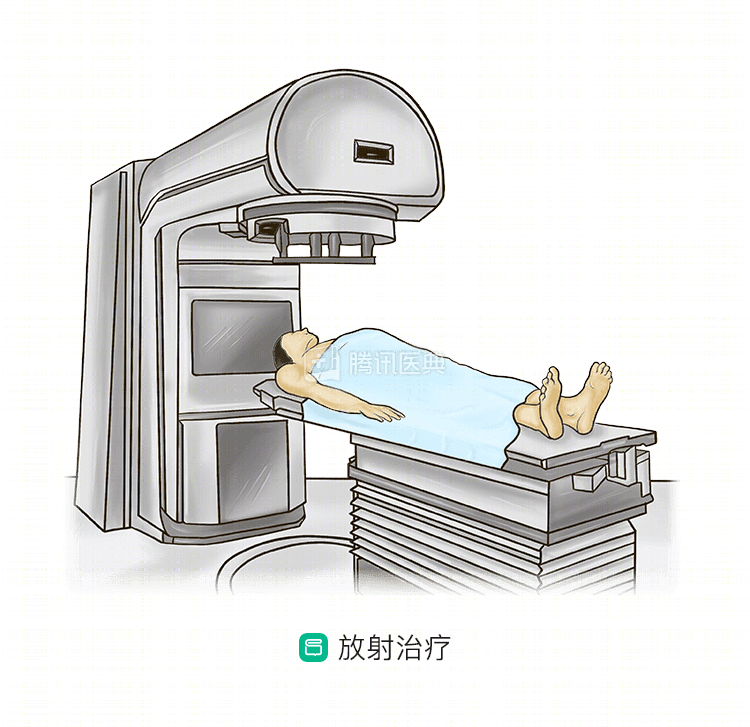
Radiation therapy uses high-energy X-rays or other rays to kill cancer cells or stop them from growing. There are two types of radiation therapy, depending on how close the radiation source is to the patient’s body.
Extracorporeal radiotherapy, in which the radiotherapy equipment is outside the patient’s body and sends radiation to the tumor site.
In vivo radiation therapy, the doctor places radioactive material sealed in a needle, particle, wire, or catheter directly inside or next to the tumor to kill cancer cells.
Prophylactic cranial irradiation may also be given to reduce the risk of brain metastases.
Doctors choose radiation therapy based on the type and stage of the tumor.
4. laser therapy, which uses laser beams to kill cancer cells.
.
5. endoscopic stent placement (endoscopic stent placement)
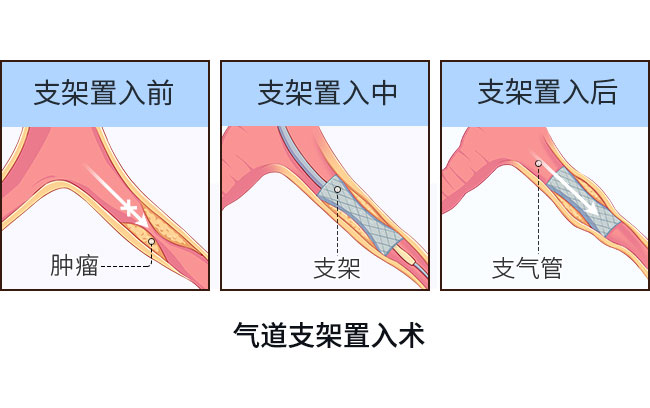
An endoscope is a thin tube-like instrument with a light source and lens that is used to view tissue in the body and to place stents if necessary. Tumor tissue blocking the airway can cause respiratory distress; stent placement through the bronchoscope can open the airway, relieving symptoms and improving the patient’s quality of life.
Co-reviewed by: Guangdong Provincial People’s Hospital Guangdong Lung Cancer Institute Dr. Dong Song Dr. Zeng Fanjun