When we ingest food, starch-containing foods (such as rice) are broken down in the digestive tract by a variety of catalysts (enzymes) into glucose, which is absorbed into the bloodstream in the intestine. When glucose enters the bloodstream, some of it is consumed directly by cells to maintain normal body metabolism, and some is stored as energy for future application.
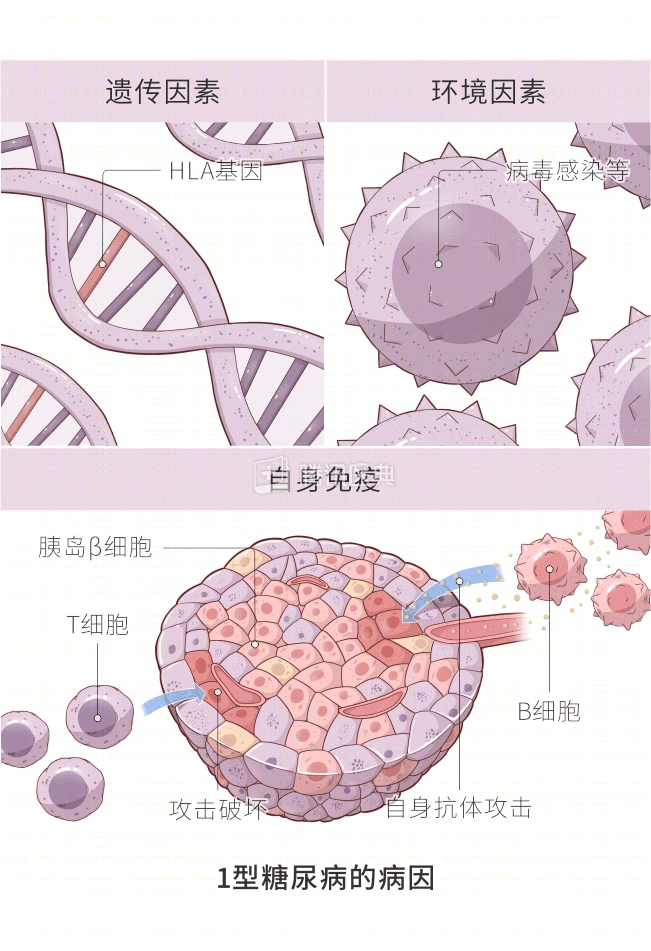
Insulin, which is secreted by the pancreas, is the “key” that opens the door for blood glucose to enter the cells, and people with type 1 diabetes may have genetic or environmental factors that lead to the destruction of pancreatic beta cells and an absolute lack of insulin, with no “key” to enter, which eventually causes blood glucose to rise. The result is an increase in blood glucose.