With surgery coming up, you may feel scared, nervous, confused, worried about whether the surgery will go well, whether the preoperative preparation is adequate, whether you can tolerate the postoperative pain, whether your quality of life will be affected, and even more worried about whether the tumor is benign or malignant, whether it will all be cut cleanly, and whether it will metastasize to other places …… Sometimes the medical staff ordered some, but they feel half-understood. The company’s main goal is to provide the best possible service to its customers.
This article talks about “how to spend” the day before surgery, what the health care providers are preparing for, and what we need to prepare for and be aware of.
What do health care professionals do to prepare?
1.
1. Blood allocation for surgery
To ensure safe intraoperative blood transfusion, your doctor will submit a blood request form to the hospital transfusion department the day before surgery. The ward nurse will collect a blood sample for you for blood matching. If the match is successful, there are usually few adverse reactions during the transfusion.
If there are any blood tests that also require fasting, the doctor will let you know in advance. Please prepare your breakfast and tolerate it for a while before eating after the blood draw.
2. Skin preparation
This is actually “shaving”. The nurse will shave the sweat hair from the area and ask you to shower after the skin preparation so that the surgeon can disinfect and operate before the procedure. You should be careful to avoid catching a cold.
3. Leave a deep vein in place
Your doctor may place a deep vein line for fluids. This is a soft, thin tube that is usually placed in the neck or under the collarbone. Before the procedure, the doctor will inject a local anesthetic into your skin. It is placed at a depth of about ten centimeters or so, and a breathable film is applied after the procedure. You will experience some discomfort and soreness, but it will not be severe and will not interfere with normal movement of your head and neck.
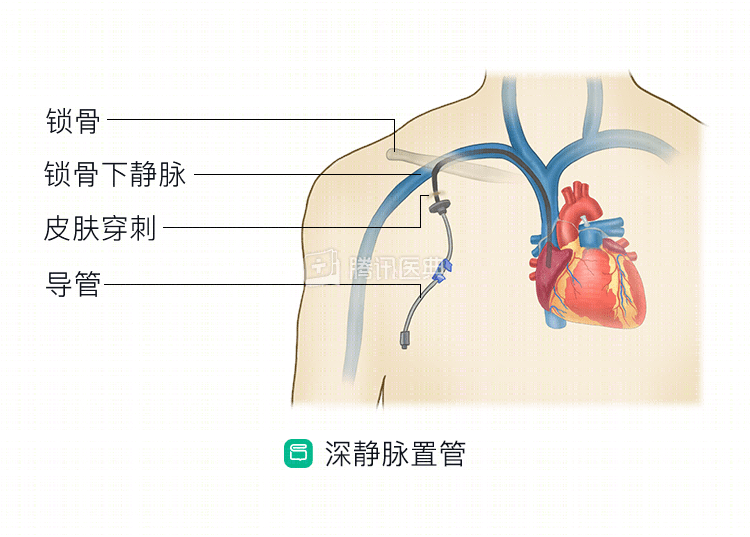
Note: Do not get water on the placement site and do not scratch.
What do I need to do to prepare?
1. Informed consent
Before surgery, the surgeon and anesthesiologist will ask you and your relatives to talk separately, explaining in detail how the surgery and anesthesia will be performed, the risks, and what you may encounter. This is a formal, rigorous communication between the surgeon and the patient, and is the single most important thing to do before surgery. Please wait in the room with your relatives and keep your cell phone open.
2. Diet and medication
Eat hygienic, light, soft, easily digestible food before surgery and avoid greasy irritation. A light, semi-liquid diet, such as congee (eaten with caution in diabetic patients), noodles, and noodle soup, should be eaten for dinner the day before surgery. The amount of food should be reduced, and it is appropriate to eat about half of what you normally eat.
Because you will be undergoing general anesthesia, the digestive function of the gastrointestinal tract is weakened under anesthesia, and the eccrine swallowing function is lost. The “epiglottis” is the cartilage tissue at the back of the tongue that closes during swallowing and prevents food from entering the trachea. If you have a full meal before surgery and have a lot of food stored in your stomach, there is a risk of regurgitation of stomach contents into the trachea during anesthetic intubation. These fluids can be very damaging to the trachea and lungs.
For the safety of the procedure, please note: eat a half-measure light dinner the day before the procedure, do not eat anything after 8 pm, and do not drink water or any beverages after 10 pm. Don’t eat or drink anything until after the surgery.
The provider will give you intravenous fluids for energy and hydration. If you have symptoms of hypoglycemia, such as weakness and sweating, tell your healthcare provider. If you feel thirsty, you can rinse your mouth with water.
If you take regular medications, such as antihypertensives and hypoglycemics, let your healthcare provider know ahead of time and follow the doctor’s orders about whether to continue taking them.
3. Bowel preparation (drinking laxatives)
After lunch the day before the procedure, the nurse will instruct you to take a laxative to empty your gastrointestinal tract and relieve constipation and bloating. Most patients who take the medication begin to have a bowel movement by late afternoon and may even pass watery stools. There is no need to worry, the application of electrolyte laxatives will not cause deficiency, just drink as much water as the nurse asks as appropriate.
Please inform the nurse in advance if you are having diarrhea, have had previous GI surgery, have had a barium meal GI imaging within 3 days prior to surgery, or have special circumstances such as significant preoperative esophageal obstruction or difficulty drinking water.
4. Pulmonary function training
Pulmonary function training is a basic training before surgery and is a point of special attention for lung cancer patients. It is not to be done only one day before surgery, but continuously before and after surgery, mainly referring to deep breathing exercises and effective coughing up of sputum. Breathing function can be practiced with the help of respirators and balloons.
- Lip reduction abdominal breathing method: Using a comfortable sitting position, inhale slowly and deeply through the nose to the maximum while expanding the abdomen outward; when exhaling, pucker the lips and blow slowly outward while trying to shrink the stomach.
- Effective coughing method: Inhale deeply with deep breathing, shut up and hold your breath for 2 seconds, abdominal muscles and thorax suddenly contract, and a large amount of airflow rushes out of the trachea and bronchi while coughing.
- Practice the respiratory function trainer: exhale to the bottom, sight level, inhale deeply and slowly, small ball floats for three seconds.
- How to blow the balloon: after deep inhalation, forcefully blow the gas into the balloon at once and practice repeatedly.
5. Other preparations
Take off and put away your watch, removable dentures, and various jewelry in advance of the day of surgery. When changing clothes, protect the urinary catheter and other lines left in place by the nurse for you and do not pull them out. Ask your relatives to prepare all the results of the films and other things you have done during the examination.
Preoperative preparation is tedious, so please do not leave the room unattended. Please entrust a relative to be present throughout the procedure. After the operation, please entrust a relative who has enough time and is reliable to watch over you. If you have trouble sleeping at night, please inform your doctor.
Pre-operative anxiety is inevitable, so look at the relevant information in the ward hallway, prepare your belongings, and keep track of your errands. Once you are admitted to the ward, talking to your patients and seeing that they have all completed the surgery successfully and are talking and moving around with no problems at all after the surgery will increase your confidence. You can also work on your breathing function with them. All these can help you to relieve your pre-operative anxiety. Be confident that if others can do it, so can I.
Co-reviewed by Dr. Tang Wenfang, Associate Chief Physician, Guangdong Provincial People’s Hospital Guangdong Lung Cancer Institute, Liao Rijiang
Co-Author: Dr. Wang Xing, Peking University Cancer Hospital