Why does lung cancer cause chest pain?
The internal organs are not sensitive to pain caused by stimuli such as cutting and burning, but sensitive to pulling stimuli. Therefore, often when the tumor invades the pleura and chest wall, only then will there be persistent chest pain, and it will be aggravated by deep breathing, coughing and laughing. When the tumor causes pleural effusion, it will also cause chest pain.
Lung cancer chest pain is often manifested as dull pain or vague pain with a more diffuse location, often without an obvious fixed location, and sometimes the chest pain is not consistent with the location of the tumor.
Chest pain caused by heart disease is most common
Heart conditions that may cause chest pain include.
Coronary artery disease, or coronary artery disease (CAD). Blockage of a blood vessel in the heart causes a decrease in blood flow and oxygen supply to the heart muscle, resulting in “angina”. Angina has a strong pressure that may spread to the arms, jaw, and back of the shoulders. Angina can be triggered by exercise, excitement, or bad moods, but can be relieved by rest.
Myocardial infarction (i.e., heart attack). Blood flow through the blood vessels of the heart decreases, leading to necrosis of heart muscle cells. Infarction pain is similar to angina, but it usually occurs in the center or left side of the chest and is more severe, which some people describe as “crushing pain. Infarction pain may be accompanied by sweating, nausea, shortness of breath, or severe weakness, and is not relieved by rest.
Myocarditis. In addition to chest pain, myocarditis may cause fever, fatigue, rapid heartbeat, and difficulty breathing. Myocarditis does not have a blockage of blood vessels, but the symptoms are similar to those of myocardial infarction.
Pericarditis. This is an infection of the saccular cavity around the heart that can cause pain similar to angina. However, it also usually causes sharp, persistent pain in the shoulder and neck muscles that worsens when breathing, swallowing, and lying flat.
hypertrophic cardiomyopathy. This is an inherited condition that causes abnormal thickening of the heart muscle, which can create a barrier to blood flowing out of the heart. Chest pain often occurs with exercise and shortness of breath. Heart failure may also occur when the heart muscle is severely hypertrophied. Hypertrophic cardiomyopathy may also cause vertigo, dizziness, syncope, and other symptoms.
Mitral valve prolapse. This is a condition in which the heart valves do not close properly and may not have any symptoms. However, it can sometimes manifest as chest pain, palpitations, and dizziness.
Aortic coarctation. Although this is not a common condition, it is very dangerous and may even be fatal. The chest pain from coronary artery entrapment is often accompanied by a “tearing” or “splitting” sensation that can spread to the neck, back, and even the abdomen.
What are the causes of chest pain from respiratory disease
Lung disease can also cause various types of chest pain, usually including.
Pleurisy. The most common causes are bacterial or viral infections, pulmonary embolism, and pneumothorax. Other less common causes include rheumatoid arthritis, lupus erythematosus, and cancer. Chest pain may present as sharp pain when breathing, coughing, or sneezing.
Pneumonia or lung abscess. Pulmonary infections can cause pleurisy and other types of chest pain, such as pain deep in the chest. Pneumonia may come on suddenly, causing fever, chills, coughing, and even coughing up sputum.
Pulmonary embolism. Pulmonary embolism occurs when a blood clot blocks a pulmonary artery trunk or its branches, causing acute pleurisy that leads to shortness of breath, rapid heartbeat, and even fever and shock in patients. It may also be a complication of lower extremity deep vein thrombosis and cancer.
Pneumothorax. Usually caused by a chest injury in which part of the lung collapses and air leaks into the chest cavity. The pain of a pneumothorax can worsen with breathing and can be accompanied by other symptoms such as low blood pressure.
Pulmonary hypertension. can overload the right ventricle and right atrium, causing angina-like chest pain.
Asthma. can cause shortness of breath, shortness of breath, coughing, and sometimes chest pain.
“Chest pain from gastrointestinal disorders“, have you heard of it?
Chest pain can also be caused by gastrointestinal disorders, including.
Gastroesophageal reflux disease (GERD). Also called acid reflux, it causes acid reflux and a burning sensation in the chest or throat. This is because the esophagus and heart are close together and share a common neural network.
Dysregulated esophageal contractions. Uncoordinated contractions (spasms) of the esophageal muscles as well as high-pressure contractions (“nutcracker” esophagus, NE) can cause chest pain.
Esophageal hypersensitivity reaction. The esophagus is very painful when it comes in contact with stomach acid or when there is pressure. The cause of esophageal hypersensitivity reactions is not known.
Esophageal rupture or perforation. It is characterized by sudden onset of severe chest pain after vomiting or esophageal surgery.
Gastric ulcer. Ulcers of the stomach mucosa or duodenal mucosa may cause recurrent painful discomfort. They are more likely to occur in people who smoke, drink alcohol, or take aspirin and other nonsteroidal anti-inflammatory drugs. Taking medications that inhibit acid production in the stomach can bring relief from the pain.
Hiatus hernia of the esophagus. The stomach enters the chest through the diaphragmatic esophageal hiatus, usually causing reflux symptoms such as heartburn or chest pain that is worse when lying down.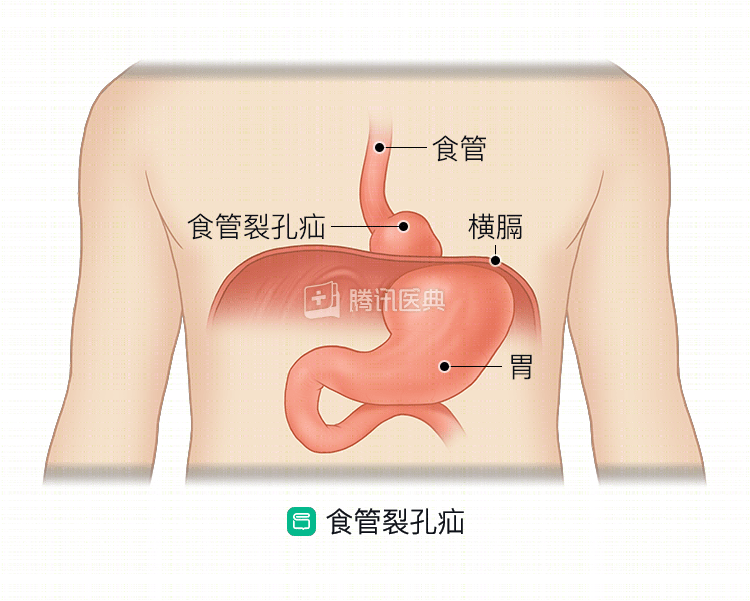
Pancreatitis. If the pain is under the chest and is worse lying down and better leaning forward, it could be pancreatitis.
Gallbladder disease. After a high-oil, high-fat diet, there is fullness and pain in the upper right abdomen or lower right chest, and this pain can be caused by gallbladder disease.
Other causes
The following conditions can also cause chest pain.
Rib problems. Chest pain from rib fractures can get worse with deep breathing or coughing. This chest pain is often confined to one area and is more pronounced when pressure is applied. The area where the ribs attach to the sternum may also be inflamed, which can also cause pain.
Muscle strain. Vigorous coughing can also damage and irritate the muscles and tendons between the ribs and cause chest pain. This pain often persists and gets worse with physical activity.
Shingles. Triggers sharp, band-like distribution of pain.
Anxiety and panic attacks may also lead to chest pain. This condition is of course accompanied by dizziness, shortness of breath, palpitations, tingling and shivering sensations, etc.
Treat this type of chest pain as soon as possible
Some chest pains can be life-threatening, so it is important to seek medical attention as soon as possible for diagnosis and management of unexplained chest pain. When you visit your doctor, you should tell him or her about chest pain that comes on suddenly or that cannot be relieved by anti-inflammatory medications, changes in diet, or other forms of self-care.
Call 120 or seek medical attention as soon as possible if the following types of chest pain occur.
- Sudden chest pressure, chest tightness, or a squeezing sensation under the sternum
- Chest pain that spreads to the jaw, left arm, or back
- Sudden sharp pain in the chest with shortness of breath, especially with prolonged inactivity
- Nausea, dizziness, rapid heart rate or shortness of breath, confusion, pallor, or excessive sweating
- very low blood pressure or a very slow heart rate
- Fever, chills, or coughing up yellow-green mucus sputum
- Difficulty swallowing
- Persistent severe chest pain
Co-reviewed by: Guangdong Provincial People’s Hospital Guangdong Lung Cancer Institute Dr. Yue-Li Sun Dr. Xiaoxiao Peng