Insulin pump therapy is an insulin treatment that uses an artificially intelligent controlled insulin input device to control hyperglycemia by continuous subcutaneous infusion of insulin in a manner that mimics the physiological secretion pattern of insulin.
Insulin pumps allow continuous 24-hour infusion of small doses of insulin and premeal insulin depending on the timing and volume of meals. Insulin pump therapy can reduce the occurrence of hypoglycemia and greatly reduce the number of multiple injections per day. It increases the level of blood glucose control and improves glycated glucose hemoglobin level. Insulin pumps are appropriate for use in patients with type 1 diabetes or when blood glucose control is difficult in type 2 diabetes.
Patients who have a pump for a long time should be fully trained in its use. Short-acting or ultra-short-acting insulins should be used, and patients should only need a physician-prescribed basal rate and high dose at meals, and a professional trainer to complete the insulin pump set-up. There is no need for any operation during the day, just adjust the mealtime dose prescribed by the physician and inject at mealtime.
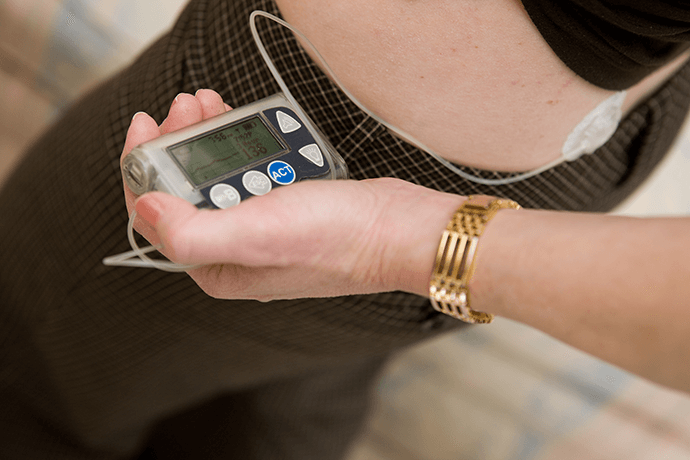
There are a few things to keep in mind when using an insulin pump:
- Patients should have knowledge of diabetes. They should learn about the use of the pump under the guidance of a professional before installation.
- Pay attention to the handling of special situations such as alarms, high blood sugar or low blood sugar.
- Glucose should be monitored at multiple points (before three meals, 2 hours after three meals, before going to bed, and at 3:00 am) for three days after the pump is used, and less frequently after three days.
- Carbohydrates that can raise blood glucose quickly should be carried in case of hypoglycemia.
- Prevent blockage or leakage of the infusion set, incorrect pump programming, or running out of insulin in the pump. Increase protection of the pump from moisture and damage, and prevent static alarms.
- See the skin at the puncture site and the amount of medication daily, and pay attention to prevent complications such as infection.
- Patients with pumps can take a bath and disconnect the insulin pump through a temporary separator while bathing or swimming.
- Insulin pumps contain high-precision electronic components, do not bring the device into or near high magnetic field environments (such as X-ray, CT, MRI, etc.) during treatment.