Misconception 1: Fasting blood glucose is important, and it’s usually fine to just check fasting blood glucose.
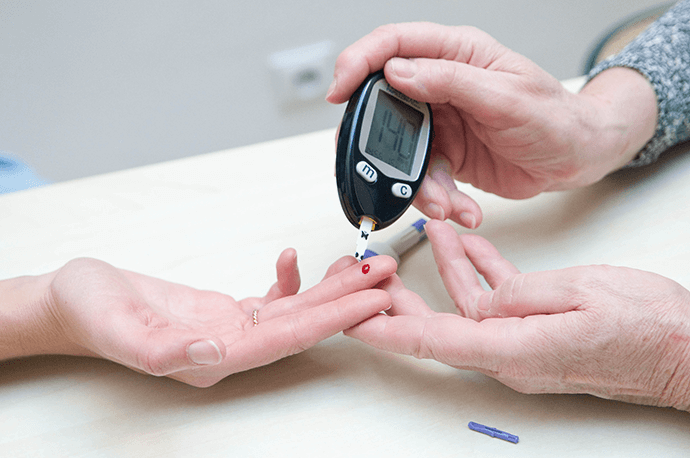
Many patients only focus on monitoring fasting blood glucose in the morning and neglect to monitor blood glucose two hours after meals, which is a mistake.
People’s blood glucose fluctuates throughout the day, and blood glucose at one point alone is not sufficient to reflect blood glucose levels. The postprandial blood glucose is even more significant than the fasting blood glucose. Therefore, in order to have a more complete picture of blood glucose status so that the treatment plan can be adjusted more rationally, patients should monitor their blood glucose at multiple times. Of course, it is not necessary to monitor multiple points every day, but you can determine a reasonable monitoring method according to your condition under the guidance of your doctor.
Myth #2: The faster your blood sugar drops, the better.
Blood glucose drops too quickly, and the body’s environment is not able to adapt immediately. The patient will experience discomfort and even hypoglycemia, so a steady drop in blood sugar is the right thing to do.
Myth 3: The lower the blood sugar, the better, and it doesn’t matter if you have hypoglycemia.
Over-lowering blood glucose increases the risk of hypoglycemia, which can be life-threatening in severe cases. For people with diabetes, the main danger of hyperglycemia is that it can cause a variety of serious chronic complications that can affect the patient’s health. However, the dangers of hyperglycemia are usually long-term, gradual, and not life-threatening for the time being.
The dangers of hypoglycemia, however, are rapid and sometimes fatal. Severe hypoglycemia can cause strokes, induce angina, heart failure, and myocardial infarction, and worsen a patient’s existing retinopathy. So blood glucose is not lowered as much as possible, but should reach a more desirable range and try to avoid hypoglycemia.
Misconception 4: Diabetes monitoring is only about testing blood glucose.
In fact, the main indicators for monitoring glycemic control in diabetes include blood glucose and glycosylated hemoglobin. Glycosylated hemoglobin is the most important assessment of long-term glycemic control.
Misconception 5: Although diagnosed with diabetes, if you don’t feel unwell, you can go unchecked and untreated.
Diabetes requires prompt and early formal screening and treatment.
Misconception 6: Blood glucose is already controlled in the normal range and does not require blood glucose monitoring and medication.
Diabetes is not curable at this time and requires lifelong treatment.