Poor lifestyle habits are not only important in relation to the occurrence of tumors, but also affect disease progression and treatment outcomes. Accordingly, cultivating good lifestyle habits plays an important role in preventing tumors from occurring. For breast cancer patients, changing bad habits will also have an impact on the treatment. Among the many good habits, it is especially important to stop smoking and limit alcohol.
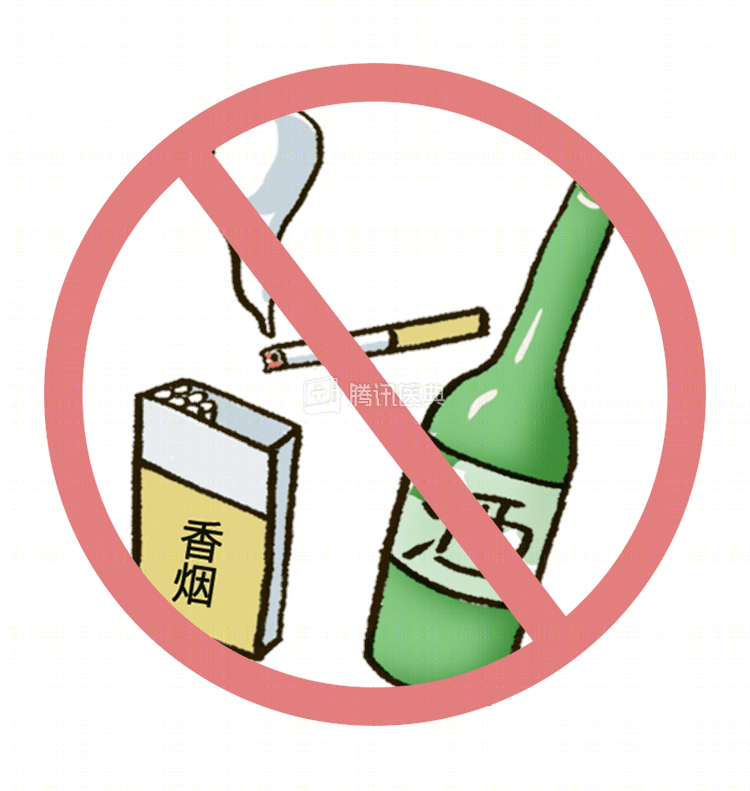
What are the effects of smoking?
The relationship between smoking and cancer is primarily related to the many carcinogens contained in tobacco. Multiple trials have found that tobacco contains more than 60 compounds that are carcinogenic and more than a dozen that have been linked to tumorigenesis, including the big-name nicotine, as well as cyanide, benzene and formaldehyde, and harmful substances such as wood alcohol, ammonia and acetylene. These compounds may not only directly contribute to the development of various types of cancer, but may also cause the growth of cancer cells in people who are already sick.
The relationship between smoking and breast cancer survival has been confirmed by numerous studies. Compared to nonsmokers, breast cancer patients who smoke have twice the risk of dying from breast cancer and three times the risk of dying from causes other than breast cancer. The risk of dying from breast cancer in smokers is also related to the number and duration of cigarettes smoked.
Notably, although the active smoking rate among Chinese women is only 2.5%, the overall exposure to secondhand smoke is as high as 71.6%. Some studies have shown that passive smoking is associated with death in women with breast cancer and also increases the risk of adverse outcomes in postmenopausal or obese breast cancer patients.
Health experts say there is no effective way to reduce cancer risk by changing the way, brand, or type of tobacco smoked. This means that the cancer risk is the same for any form of smoking. It’s not quite clear why some people are more likely to develop cancer. However, there is good news for people who plan to quit smoking: once you stop smoking, your cancer risk decreases.
Thus, doctors recommend that breast cancer patients avoid smoking and passive smoking (secondhand smoke) as much as possible. Breast cancer patients who smoke should quit early.
What are the effects of alcohol?
Drinking alcohol has a long history in this country. However, alcohol can have a significant impact on human health, especially in breast cancer patients.
In people who have been diagnosed with cancer, alcohol consumption increases the risk of developing second primary cancer (cancer in an organ other than the primary cancer when metastasis is excluded). Alcohol (ethanol) can increase the concentration of estrogen in peripheral blood, and theoretically, alcohol consumption also increases the risk of breast cancer recurrence. Therefore, breast cancer patients should avoid drinking alcohol.
Those undergoing treatment, especially radiation, chemotherapy, and biologic therapy, should avoid alcohol. These individuals are more susceptible to the health effects of alcohol, and even small amounts of alcohol in mouthwash can lead to mouth ulcers.
Because of this, the Lifestyle Guidelines for Chinese Breast Cancer Patients, published in 2017, clearly recommend that patients with breast cancer should avoid smoking, passive smoking, and alcohol intake as much as possible, and those with breast cancer who have a habit of smoking and drinking should quit smoking and drinking early.