
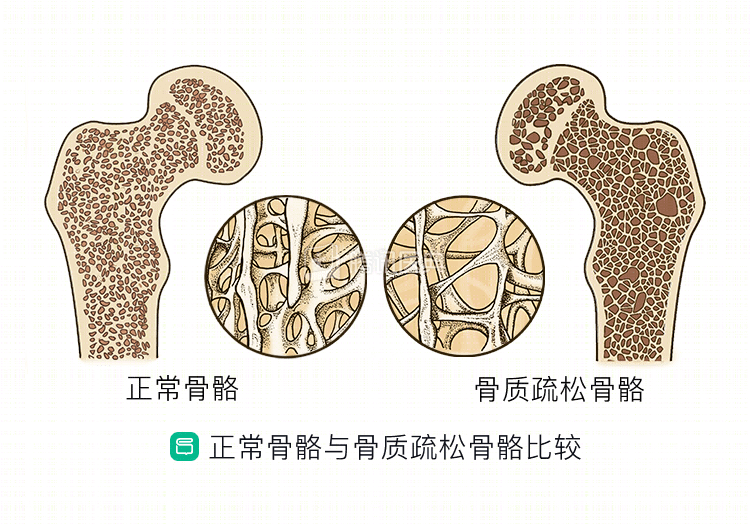
What breast cancer patients may not expect is that osteoporosis may also occur during treatment, mainly in the form of reduced bone density detection, bone pain, and in severe cases, pathological fractures.
How is breast cancer treatment related to osteoporosis?
Endocrine therapy is an important form of breast cancer treatment that focuses on stopping or slowing the growth of breast cancer cells by cutting off the source of estrogen or counteracting the effects of estrogen. Because an important task of estrogen in the body is to stop calcium loss from the bones, endocrine therapy, especially with aromatase inhibitors (AI), can lead to a decrease in estrogen that, while inhibiting tumor growth, inevitably accelerates the rate of calcium loss from the body, increasing the risk of developing osteoporosis and osteoporotic fractures.
Particularly in menopausal women, the use of AI can further reduce residual estradiol concentrations in the body, increasing bone loss and affecting bone health. Breast cancer patients treated with AI have been reported to have about a 5% increase in the 5-year fracture rate compared to healthy postmenopausal women.
So, while breast cancer patients are receiving endocrine therapy, especially postmenopausal patients receiving AI therapy, physicians often take certain bone-protective measures to maintain bone health while ensuring anti-tumor efficacy.
How can bone health be maintained during AI therapy?
It’s important to have bone monitoring
It is important to have bone monitoring. Measuring bone density is an important way to monitor the onset of osteoporosis.
Bone mineral density values are no longer the only factor in evaluating fracture risk. The individual patient’s condition also has a strong influence on fracture risk. In response, the World Health Organization (WHO) has developed a quantitative fracture risk assessment tool that predicts the risk of major fracture events due to osteoporosis over 10 years based on age, sex, clinical risk factors, and BMD values. It can be evaluated in consultation with a physician.
If the hospital does not have a bone densitometer, the doctor will look at the clinical presentation, for example, low back pain and shortened height may indicate osteoporosis.
Take preventive and curative measures
Usually, physicians recommend prevention and treatment with calcium and vitamin D supplementation and bisphosphonate therapy based on the risk rating for bone loss and osteoporosis. In fact, there is no significant difference between breast cancer patients and non-breast cancer patients in the management of osteoporosis. Specific measures are described below.
- Take care of your diet. .
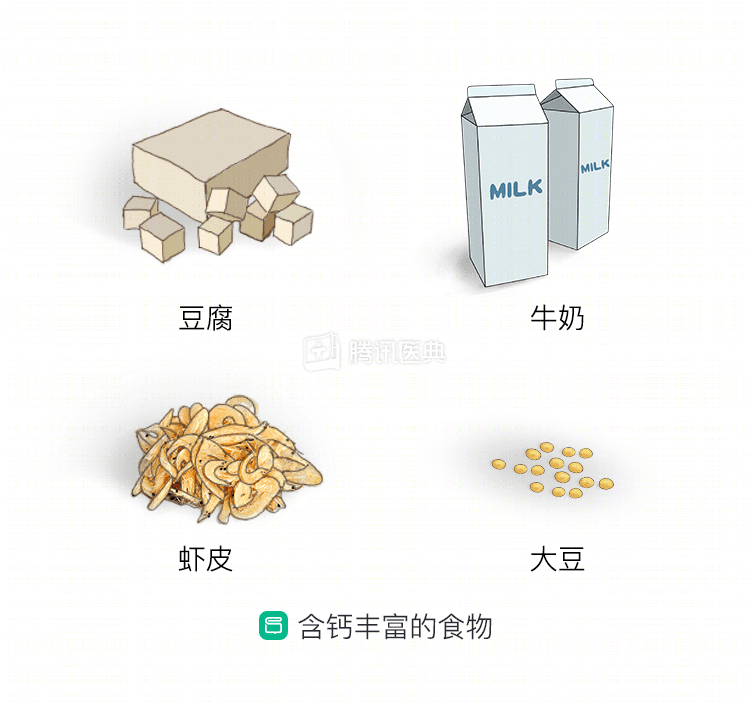
- Consume more calcium-rich foods, such as milk, dairy products, soybeans, soy products, and shrimp skin. You should insist on drinking a glass of milk every day.
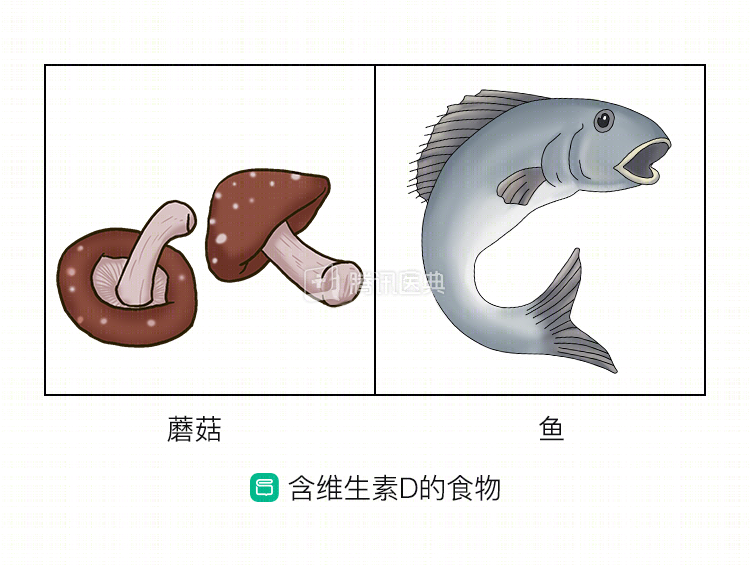
- Eat more foods that contain vitamin D, such as mushrooms and fish. Because calcium and vitamin D supplementation not only prevents osteoporosis, but also has a therapeutic effect, you should use high-quality protein in moderation, such as eggs, lean meat, and chicken.
- Eat more vitamin C-containing foods, such as fresh fruits and vegetables, as well as black fungus, pine nuts, chestnuts, and shiitake mushrooms.
- Sugar is an acidic food that consumes calcium, and too much salt can affect the deposition of calcium in the bone, so low salt and less sugar should be preferred.
- Quit smoking and limit alcohol. Alcohol and tobacco can affect the absorption of calcium.
- A light diet, avoiding spicy, greasy, fried, raw and cold foods that are difficult to digest.
- Sunbathing. Increasing outdoor activity and exposure to ultraviolet light helps the skin synthesize vitamin D, which promotes calcium deposition in the bones, preventing osteoporosis and reducing the risk of fractures caused by falls.
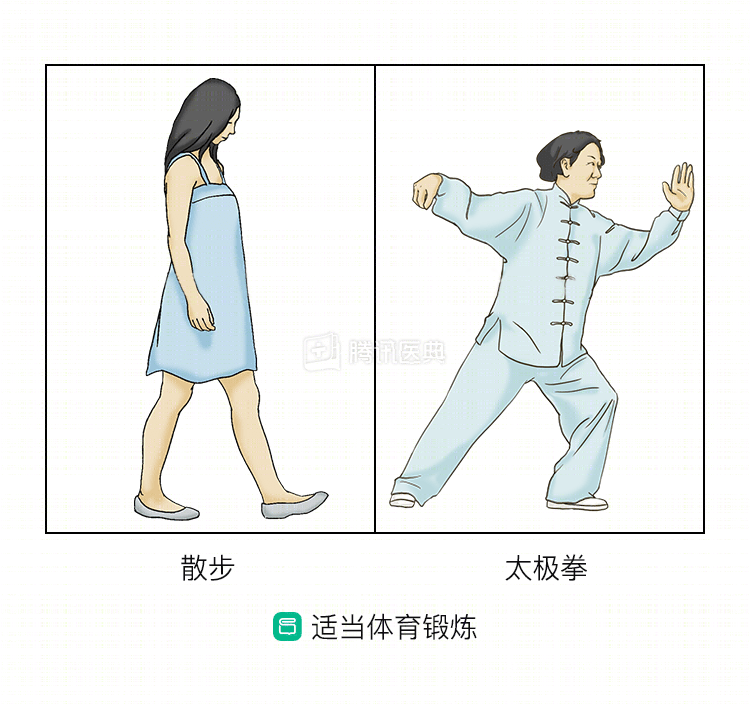
- Appropriate physical exercise. For example, tai chi, walking, etc. Proper exercise can increase the strength of ligaments and tendons, prevent damage to many kinds of bones, joints, muscles and tendons, and reduce the risk of osteoporosis. Care needs to be taken when exercising to wear loose clothing and comfortable shoes to prevent falls.
.
- Medication. In addition to a healthy lifestyle, calcium and vitamin D supplements should be increased during the day. Bisphosphonate therapy can be considered as prescribed if necessary.
- The Expert Consensus on Clinical Management of Bone Metastases and Bone Related Diseases in Malignant Tumors suggests lifestyle modification, calcium and vitamin D supplementation for patients with existing bone loss in malignant tumors, and lifestyle modification, calcium and vitamin D supplementation and bisphosphonates for patients with existing osteoporosis, or fractures in cancer. Calcium 500 to 1000 mg and vitamin D 400 to 800 units daily are usually recommended.
- Those who use bisphosphonates for a long time may experience adverse effects such as renal insufficiency and jaw necrosis, and care should be taken to review renal function regularly and to have tooth extractions during drug use.
- Medication usually continues at least until the end of adjuvant therapy and may be extended appropriately in those at high risk for fracture.
- People with significant pain or fractures may be advised to rest in a hard bed, usually with anti-inflammatory pain medication, combined with herbal heat and physical therapy, and may also be considered for steroidal AI that has less effect on bone loss.