
Breast magnetic resonance imaging (MRI) has good resolution of soft tissues, is independent of breast density, can clearly distinguish normal breast glands from lesions, and can provide a three-dimensional view of the lesion’s periphery for comprehensive evaluation of the lesion. MRI is becoming more and more popular and is one of the most commonly used breast examinations in medical institutions. However, not everyone is a good candidate for breast MRI. Who is not a good candidate for breast MRI?
These people should never have an MRI (absolute contraindication)
.
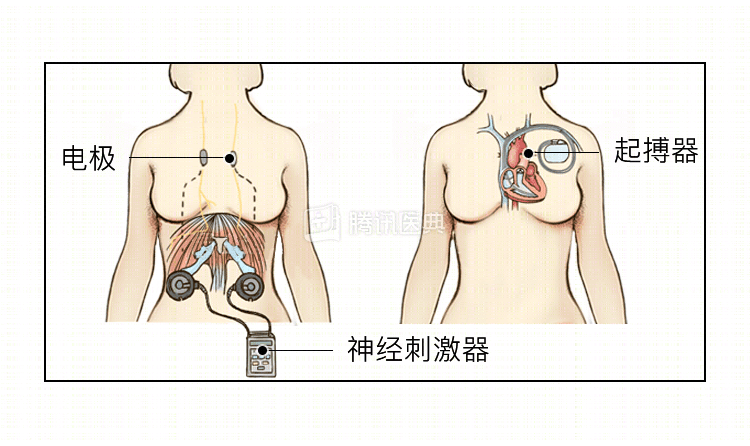
People with implanted pacemakers, nerve stimulators
MRI exams are performed within a strong magnetic field that can affect the position of electrodes on devices such as pacemakers and neurostimulators, causing them to shift, and the magnetic field pulses can cause these devices to act abnormally, such as pacing or sending stimulation signals when they are not needed, which can have serious adverse consequences.
People with intraocular metal foreign bodies, inner ear implants, metal prostheses, and metal heart valves
Metals containing ferromagnetic substances move and vibrate in response to magnetic fields and generate heat, which can cause damage to body tissues. The presence of metal can also affect the magnetic field in MRI exams, leading to image distortion, artifacts, and ultimately the accuracy of the results.
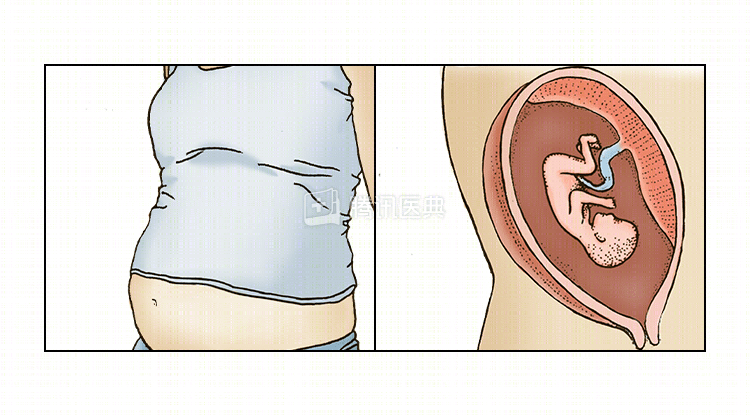
Under 3 months of pregnancy
During the first trimester, the developing fetus is susceptible to a variety of factors. Although there is no clear evidence that MRI can harm the fetus, as a precaution, MRI is not recommended for women in the early stages of pregnancy.
People with a history of gadolinium chelate allergy
Gadolinium chelate is an enhancer for MRI exams and is injected intravenously into the body to provide a clearer and more accurate MRI image. However, people who are allergic to gadolinium chelate can have severe allergic reactions. Therefore, people who have had a previous gadolinium chelate allergy should not undergo MRI.
These individuals should only have MRI if certain conditions are met (relative contraindication)
People with metal foreign bodies, insulin pumps
Insulin pumps and metal foreign bodies in certain areas (e.g., metal dentures, contraceptive rings) are far enough away from the breast that they may not be affected as much by breast MRI imaging. For these individuals, the physician will carefully consider whether to do an MRI or, if possible, after the metal object has been removed.
People who are claustrophobic
Claustrophobia is a psychological terror that occurs when people are in a closed environment, and MRI exams are performed in a confined magnetic field environment, and people with claustrophobia often misbehave during the exam, fail to cooperate with medical personnel as required, and fail to obtain satisfactory images or have the exam interrupted. These individuals should be informed in detail about the MRI procedure before the examination and should take appropriate sedatives under medical supervision to reduce irritability. By taking medication and other measures, these individuals can usually complete the examination successfully.
Patients with epilepsy
MRI exams are long, the machine is noisy during the exam, and the person being examined is required to cooperate with the body position, which can be very irritating for people with epilepsy. If the epilepsy is not well controlled, it is likely to develop during the examination, resulting in a critical situation. Therefore, patients with epilepsy should undergo MRI with adequate symptom control.
While MRI has many advantages in screening for breast disease, it is not available to everyone. If any of these conditions make MRI inappropriate, it is important to inform your doctor before the test as a sign of responsibility for your condition.