Although diabetes is a metabolic disease that develops chronically, there can be sudden and dangerous conditions, commonly diabetic ketoacidosis, hyperosmolar hyperglycemic states, lactic acidosis, and hypoglycemia. If left untreated, they can cause irreversible damage to the patient and even lead to death. So what are the manifestations of these emergencies? How can patients help themselves? And what can people around them do to help them?
What is diabetic ketoacidosis?
What is diabetic ketoacidosis?
When insulin is severely underproduced and the body’s cells cannot properly use glucose for energy, the sugar stays in the blood when it cannot enter the cells, and the kidneys filter some of the sugar from the blood and excrete it from the body through the urine. Since the cells cannot get sugar to supply energy, the body will start to break down fat and muscle for energy. At this point, ketones or fatty acids are produced and enter the bloodstream, causing an acid-base imbalance in the body (metabolic acidosis), a condition called diabetic ketoacidosis.

How to recognize diabetic ketoacidosis?
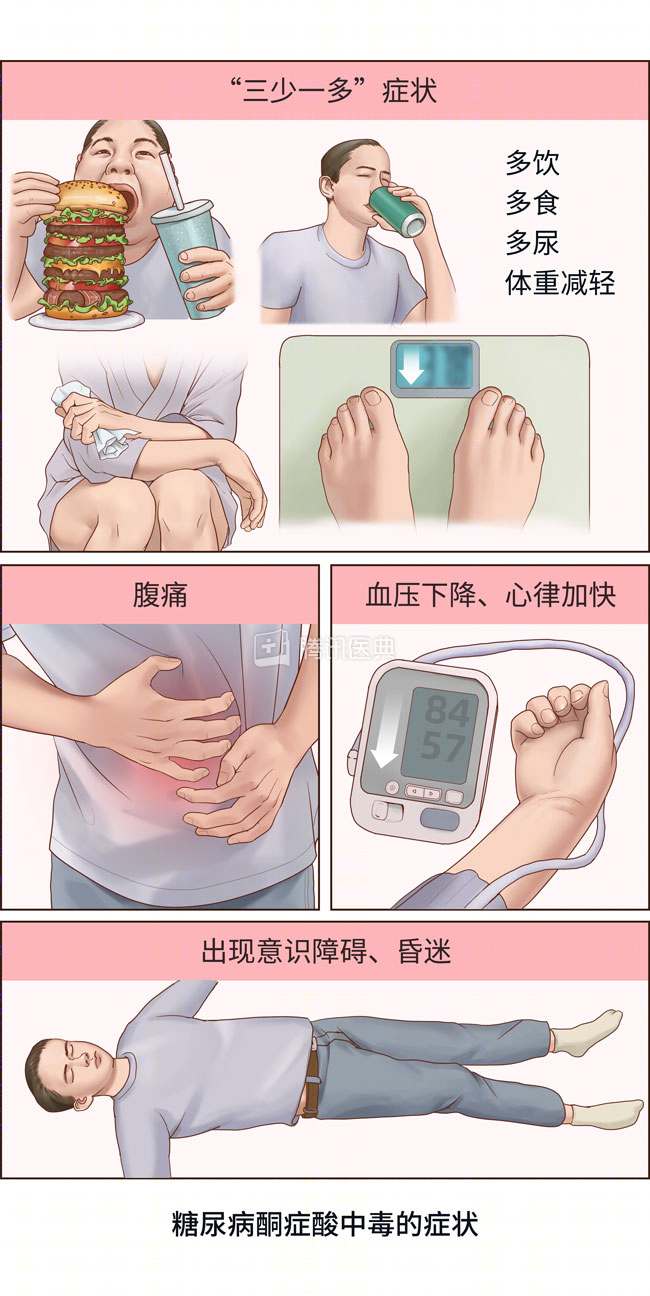
One of the signs of diabetic ketoacidosis is the smell of rotten apples, or acetone, on the breath, which may also be present as follows.
- Sudden worsening of the symptoms of “three more and one less”: drinking more, eating more, urinating more, and losing weight
- Patients feel fatigue, loss of appetite, nausea and vomiting
- Much urination and dry mouth, headache and drowsiness
- Hypopnea and rapid breathing
- Lower blood pressure, faster heart rhythm, very cold extremities
- Consciousness impairment, coma
- Acute onset of severe abdominal pain
What should I do if I suspect diabetic ketoacidosis in a person with diabetes around me?
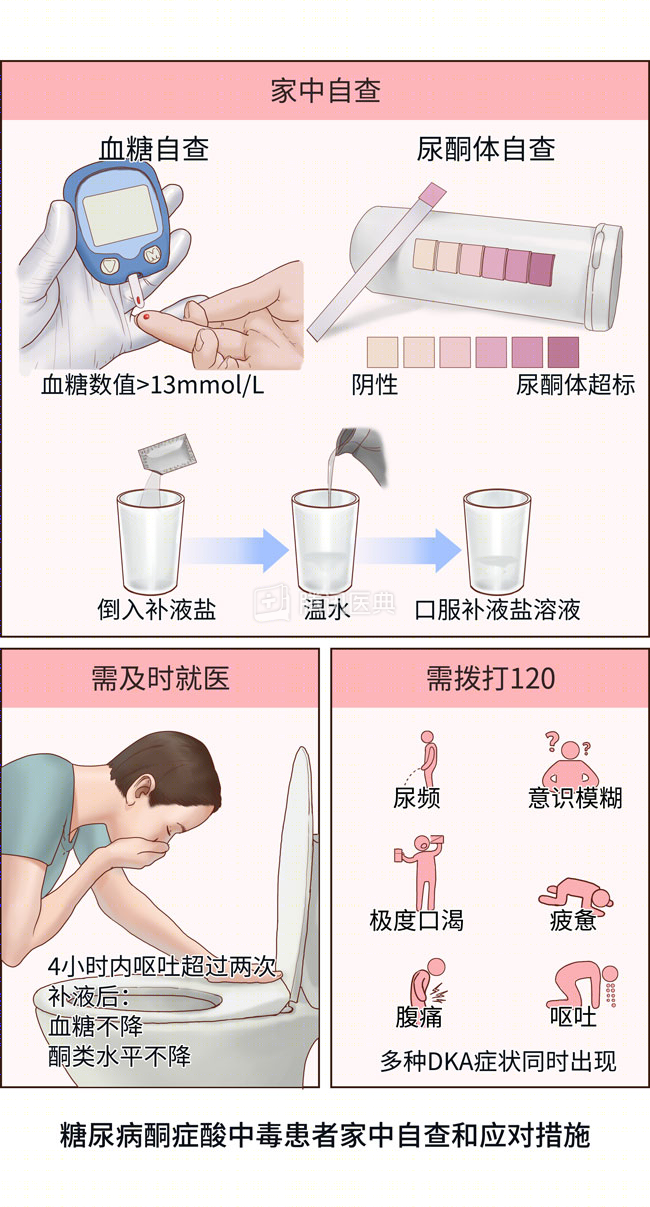
If you are around someone with diabetes who is experiencing any of these conditions, especially if you can already smell a distinct rotten apple, you need to be on high alert and seek immediate medical attention.
How do you recognize a state of hypertonic hyperglycemia?
In addition, some patients of advanced age (>60 years) may also present with symptoms of dehydration such as dry skin, sunken eyes, dry lips and tongue, or even shock coma, which may be indicative of a hyperosmolar hyperglycemic state.
Hypertonic hyperglycemia is less common than diabetic ketoacidosis, but it is one of the serious acute complications of diabetes, and families should be vigilant and seek medical attention when symptoms occur.
How to recognize lactic acidosis?
Lactic acidosis has a low incidence but a high mortality rate and is seen in patients with various systemic diseases, especially respiratory diseases, who are also taking metformin drugs. Patients will have deepened breathing but no rotten apple smell, confusion, drowsiness, and coma with nausea, vomiting, and abdominal pain. Family members who find patients with these symptoms should not delay and seek immediate medical attention.