What is a bone scan? Why do I need this test?
A bone scan is a nuclear medicine imaging test that examines the entire body of the skeleton. Before the test, a radioactive imaging agent is injected intravenously, and the imaging instrument is used to detect the distribution of radioactivity in the bones throughout the body.
If there is an abnormal increase or decrease in the absorption of radioactivity in a particular area of bone, it will show an image of abnormal concentration or thinning of radioactivity, which is used by the physician to evaluate the lesion.
Bone metastases are one of the more common sites of metastases from lung cancer, so a bone scan is a very important tool to determine bone metastases from lung cancer. In addition, bone scans can monitor the treatment of bone tumors. Bone scans can detect lesions days to months earlier than conventional X-rays. However, a bone scan showing abnormal radioactive concentrations does not necessarily mean that bone metastases have occurred, but needs to be combined with the patient’s past medical history, such as osteoarthritis and trauma, which can also lead to abnormal radioactive concentrations.
What should I do to prepare for the test?
- Bone ECT is contraindicated if you are pregnant or planning to become pregnant.
- Examinees who are breastfeeding. Radioactive imaging agents can enter breast milk, so do not breastfeed your baby for 2 days after the test.
- Examinations with barium contrast (e.g., barium enema) or medications containing bismuth (e.g., bismuth alkali salicylate) 4 days before the test. Barium and bismuth are two metal components that can interfere with the results of a bone scan.
.
What to look for during the test?
After the injection, it takes 2 to 5 hours for the developer to be absorbed into the bone so that the camera can take images. During this time, you will need to drink 4 to 6 glasses of water to get any unabsorbed developer out of your body. Urinate before the scan begins to prevent the radioactive urine from “blocking” the bone in the pelvic area. Care should be taken not to contaminate clothing and skin during urination to prevent the formation of “artifacts” that should not be present during the scan, which could affect the correct diagnosis. If there is contamination, change to a clean shirt and pants or scrub the urine off the skin. Also remove all jewelry and remove all or most of your clothing before the exam and change into your exam gown.
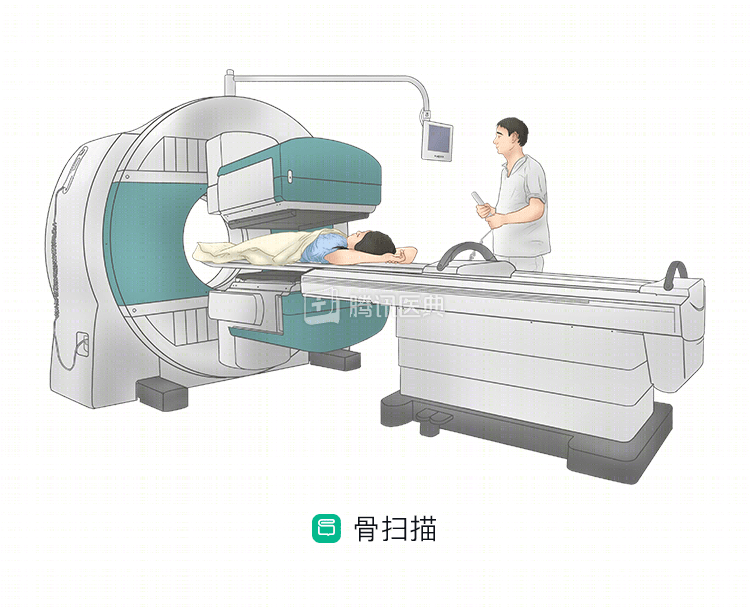
During the exam, you will lie on the exam table and the scan camera will begin scanning your entire body. The areas of radiation released by the imaging agent are recorded by the camera, which generates images. Please be assured that the camera itself is not radioactive.
During the exam, you may be asked to change positions, so please work with your doctor’s instructions to do so. Be sure to lie still and not move during the scan to avoid blurred images.
The bone scan takes about 1 hour.
What is the bone scan experience like?
You may not feel anything at all or may feel a slight tingle when the developer is injected. The scan itself is painless, and you may find it difficult to stay “still” during the exam. Before the scan begins, you can prepare a pillow or blanket to make yourself as comfortable as possible.
If you have joint pain or bone pain, you may experience discomfort during the scan. Taking slow, deep breaths can help relax. If you cannot lie flat because of pain, you can check in with your doctor ahead of time and he or she will give you a pain reliever before the image is revealed.
What to look for after the checkup?
After the bone scan, you will be able to move around normally and drive.
There are no side effects from the contrast agent or the test itself. Your doctor may tell you to drink plenty of water for 1 to 2 days after the test to get rid of any residual developer in your body. The half-life of the radiation dose after a bone scan depends on the type of tracer used, but generally 2 days is spent minimizing close contact with others. During this time, you should flush immediately after using the bathroom and wash your hands thoroughly with soap. The amount of radioactive material is small enough that it will not normally “irradiate” the people around you.
If the injection is painful, red, or swollen, a moist, warm bandage will help. If it is severe, ask your doctor for help.
Co-reviewed by: Guangdong Provincial People’s Hospital Guangdong Lung Cancer Institute Dr. Dong Song Dr. Zhang Chao