There are many factors that can increase the risk of lung cancer. Among them, age and hereditary factors are out of control, but many controllable factors require us to work together to prevent them and reduce the risk of lung cancer.
Quitting smoking is the number one priority
If you smoke, then the number one thing to do is to quit. Whether it’s e-cigarettes, filter cigarettes, or low-tar cigarettes, they are all major causes of lung cancer. The risk of developing lung cancer or lung cancer recurrence is reduced when you quit smoking completely. Products such as nicotine gum, sprays, patches, or lozenges can help with quitting smoking.
If you are a non-smoker, keep it up. Never smoking reduces the risk of dying from lung cancer. Please protect yourself from the dangers of secondhand smoke, thirdhand smoke (residual smoke that clings to indoor furniture or fabrics), and the best way to do this is to stay away from people or places that smoke.
Stay as far away from carcinogens as possible
Radon (radon) is a colorless and odorless radioactive gas released from soil or rocks, and is one of the well-defined risk factors for lung cancer. It can sneak into the house through the foundation, and can also be released through building decoration materials containing radioactive elements, threatening our health.
According to a 1982 report by The United Nations Scientific Committee on the Effects of Atomic Radiation (UNSCEAR), materials such as phosphogypsum and aerated concrete are more radioactive, while solid wood and natural gypsum are less radioactive. is lower.
Therefore, when purchasing houses and choosing decoration materials, we should pay attention to check whether the building decoration materials meet the radiation safety standards and reduce the indoor radon concentration through natural or mechanical ventilation and air purification system.
The methods to reduce radon hazards also include: increasing ventilation measures below the ground; installing radon storage system in basement or under solid ground; blocking the passage of radon from basement into housing; doing a good job of sealing the ground and walls; doing radon test and radon reduction treatment before building a house.
In addition, some workplaces may be exposed to chemical substances such as asbestos, radon, arsenic, chromium, nickel, tar and soot, which increase people’s risk of lung cancer. Controlling carcinogens in workplaces and housing construction requires the joint efforts of the whole society.
Air pollution can also increase the risk of lung cancer. Studies show that cities with higher levels of air pollution have higher rates of lung cancer. Therefore, try to go out as little as possible on hazy days, and go out with good protection.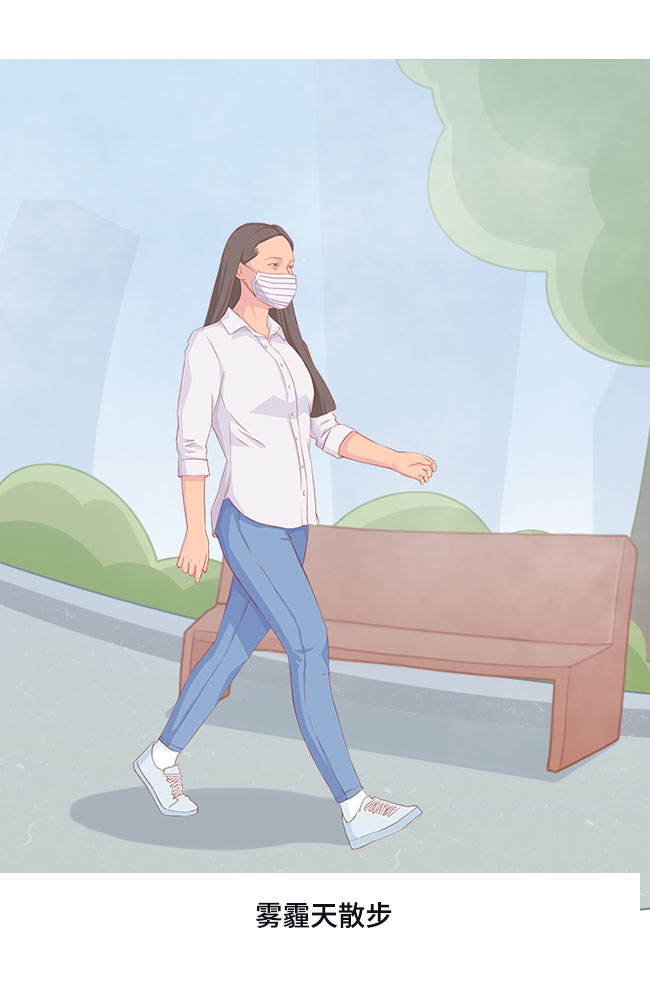
Not having unnecessary radiological tests (such as chest x-rays) can also help reduce the risk of lung cancer.
Healthy diet, proper exercise
According to the National Cancer Institute (NCI), studies have shown that eating more fruits and vegetables can help reduce the risk of lung cancer, while excessive alcohol consumption may increase the risk of lung cancer. In addition, studies have shown that smokers who are physically active have a lower risk of lung cancer than smokers who do not exercise or exercise less.
These supplements aren’t beneficial
Also from the NCI, studies have shown that supplementation with vitamin E and pharmacologic doses of beta-carotene in nonsmokers does not reduce the risk of lung cancer, while supplementation with pharmacologic doses of beta-carotene in heavy smokers may increase the risk of lung cancer and death.
Chemoprevention
Chemoprevention refers to the use of natural or man-made drugs to reverse, inhibit, or stop tumor growth. This approach is in the clinical research phase and has not yet become a standard of care.
Co-reviewed by: Guangdong Provincial People’s Hospital Guangdong Lung Cancer Institute Dr. Zhiyong Chen Dr. Xuewu Wei