There are several types of treatments for non-small cell lung cancer (NSCLC).
Some are standard treatments currently in use, others are still in clinical research, and this article focuses on standard therapies.
What are the standard therapies?
Surgery (S)
Surgery
Surgical resection is an option when the tumor occurs in only one lung, or in one lung and its adjacent lymph nodes, and lung cancer surgery is performed when the surgeon believes the tumor can be removed in its entirety and the patient is healthy enough to tolerate it.
Surgery may also remove adjacent lymph nodes to clarify whether the cancer has metastasized.
Surgical resection can be classified according to the extent of resection:
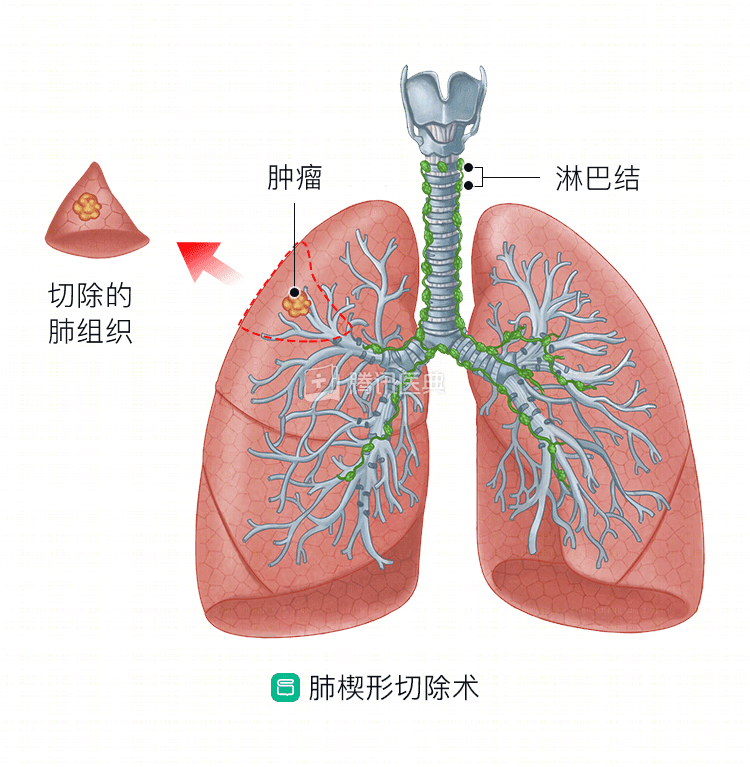
- Wedge resection of the lung: Removal of the tumor and a small amount of surrounding normal tissue, or segmental resection if the amount of surrounding tissue is slightly larger.
.
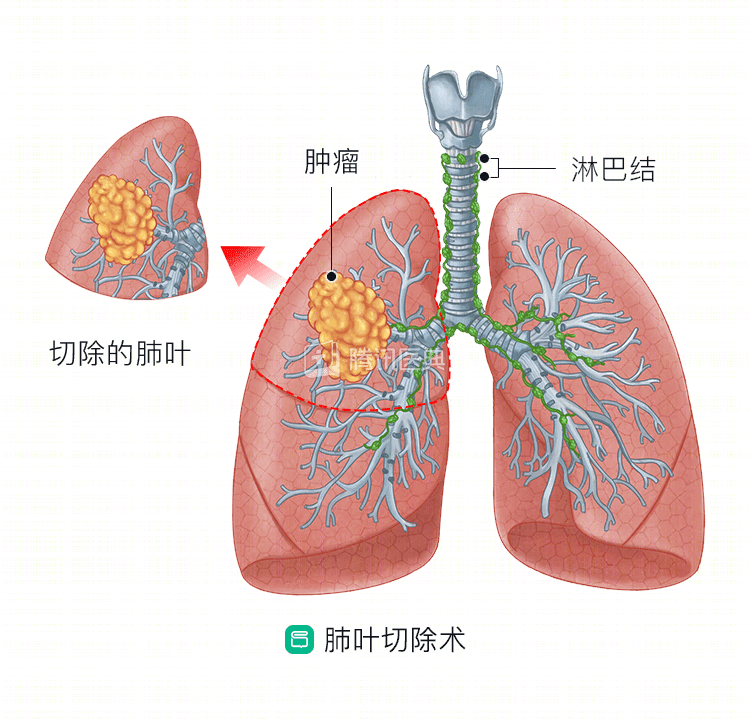
- Lobectomy (lobectomy): We have three lobes in the right lung and two lobes in the left lung. The surgery removes the entire lobe containing the tumor, and the remaining lobe maintains the patient’s lung function.
.
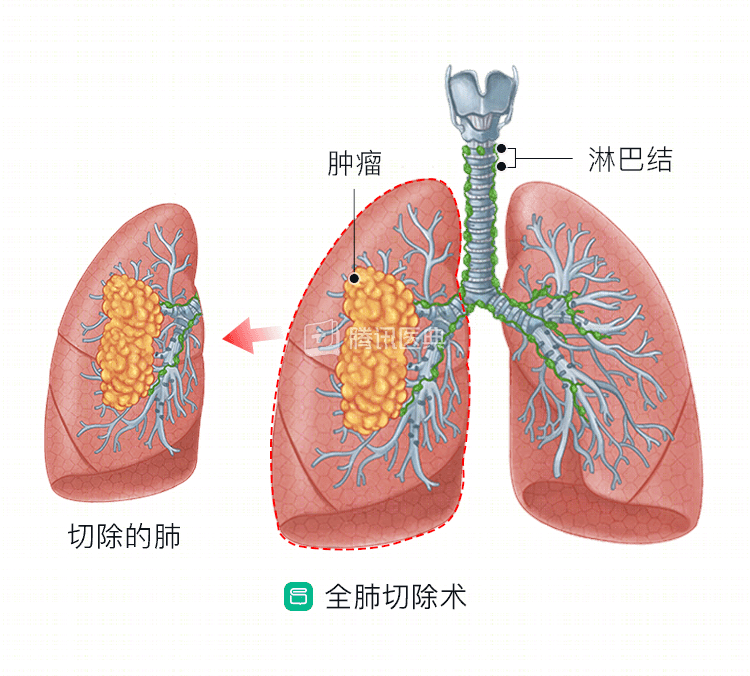
- Total pneumonectomy (pneumonectomy): Removal of the side of the lung containing the tumor.
- Sleeve resection: Removal of part of the bronchus.
Please understand that even if your doctor removes the visible tumor at surgery, you may still need to receive chemotherapy or radiation therapy after surgery to kill the remaining cancer cells and reduce the chance of the cancer coming back, a therapy called adjuvant therapy.
Radiation therapy
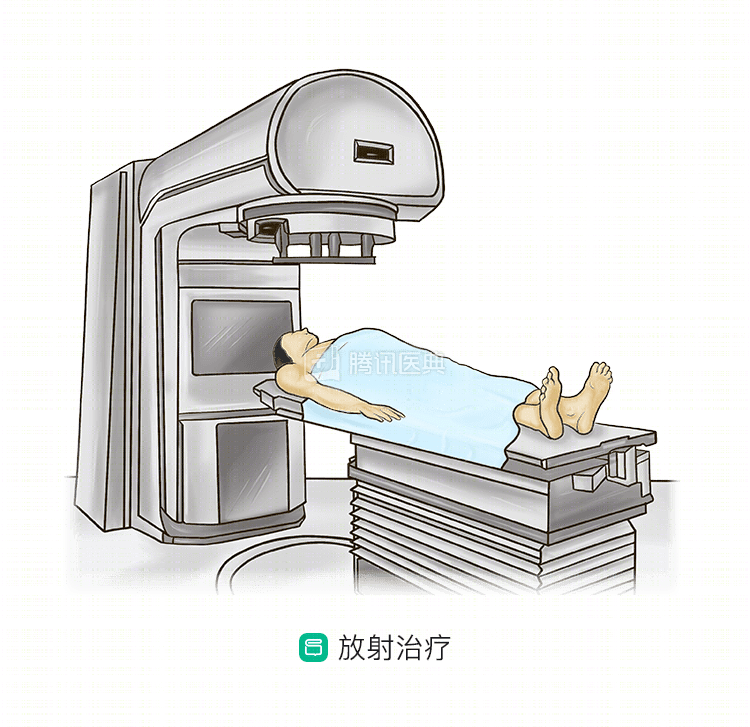
Radiotherapy uses high-energy X-rays or other radiation to kill cancer cells or stop them from growing, and there are 2 types of radiotherapy, depending on how close the radiation source is to the patient’s body.
- Extracorporeal radiotherapy: Radiotherapy equipment sends radiation outside the patient’s body to the tumor site.
- In vivo radiation therapy, doctors place radioactive material sealed in needles, particles, wires, or catheters directly inside or next to the tumor to kill cancer cells.
Radiosurgery, rather than “surgery,” “focuses” radiation directly on the tumor, destroying the cancer cells with only minor damage to surrounding healthy tissue.
For patients who are not candidates for surgery, your doctor may recommend trying this approach depending on your situation.
Doctors choose radiation therapy based on the type, stage, and location of the tumor, and if the tumor is located in the airway, doctors may use endoscopy to administer radiation therapy.
Chemotherapy (chemotherapy)
- Chemotherapy uses drugs to kill cancer cells or stop them from dividing. After entering the body orally, intravenously, or intramuscularly, the drugs travel with the bloodstream throughout the body to kill cancer cells (systemic chemotherapy).
- Doctors may also inject drugs directly into the cerebrospinal fluid, organs, or body cavities to kill cancer cells hidden in these specific areas (local chemotherapy).
Doctors will choose chemotherapy based on the type and stage of the tumor.
Targeted therapy
This therapy “targets” specific cancer cells, often causing less damage to normal cells than radiation or chemotherapy.
Targeted therapies for NSCLC currently fall into 2 main categories: monoclonal antibodies and small molecule tyrosine kinase inhibitors (TKIs).
Monoclonal antibodies, which are “assembled” by doctors in the lab using certain immune cells, recognize specific components of cancer cells, or normal components that might help cancer cells grow, and attach to those components to kill the cancer cells, stop their growth, or prevent them from metastasizing.
Monoclonal antibodies are injected into the body and can be used alone or loaded with drugs, toxins, or radioactive substances that work directly against cancer cells.
- Monoclonal antibodies.
- Monoclonal antibodies for the treatment of NSCLC, mainly bevacizumab (bevacizumab) and cetuximab (cetuximab).
- Bevacizumab binds to vascular endothelial growth factor (VEGF) in the blood and tissues to inhibit the angiogenesis needed for tumor growth, cutting off the “food” for cancer cells, while cetuximab works in a different way. Cetuximab works in another way.
- The epidermal growth factor receptor (EGFR) is a tyrosine kinase protein on the cell surface, and mutations in the EGFR gene cause cells to become cancerous.
- Cetuximab binds to EGFR and stops cancer cells from growing and continuing to divide.
- Small molecule tyrosine kinase inhibitors (TKI).
- These drugs “work” inside cancer cells to block the signaling needed for cancer cell growth and can be used as adjuvant therapy with other anti-cancer drugs.
- TKI-based drugs for NSCLC, including erlotinib and gefitinib, both kill cancer cells by inhibiting EGFR.
- Crizotinib (crizotinib) is another TKI drug used to treat cancer cells with mutations in the anaplastic lymphoma kinase (ALK) gene, a protein produced by the ALK gene that has tyrosine kinase activity.
Immunotherapy treatment
This is the newest therapy for metastatic non-small cell lung cancer, which uses the body’s immune system to kill cancer cells and inhibit their growth.
Our immune system recognizes “unfamiliar” substances like viruses and bacteria and protects the body from them, and cancer cells look so much like normal cells that they can often “escape” this defense.
Some cancer cells can even “shut down” parts of the immune system so that they can reproduce unrestricted, and immune drugs “polish” the immune system’s “eyes” so that it can “see” and kill the cancer. The immune drugs “brighten” the “eyes” of the immune system so that it can “see” and kill the cancer cells.
Currently, atezolizumab, nivolumab, and pembrolizumab have been approved by the Food and Drug Administration (FDA) for clinical use.
The rest are still in clinical trials, and scientists are continuing to research and develop these new drugs.
Laser and photodynamic therapy (PDT)
Laser therapy uses laser beams to kill cancer cells.
Photodynamic therapy uses drugs and a type of laser to kill cancer cells with less damage to healthy tissue, and these drugs are usually “on hold” and are activated by laser light.
Cancer cells absorb more of these drugs than normal cells, and after the drug is injected intravenously, the doctor delivers the laser to the cancer cells and the activated drug destroys them, and if the tumor is in the airway, photodynamic therapy can be done endoscopically.
Cryotherapy (Cryosurgery)
This approach uses freezing to destroy tumor tissue, and for tumors in the airway, cryotherapy is done endoscopically.
Electrocautery
This method uses a probe or needle heated by an electric current to destroy tumor tissue, and in the case of airway tumors, electrocautery is done endoscopically.
Watchful waiting
Physicians monitor patients closely and do not take any treatment until symptoms appear or change, which may be needed in some rare non-small cell lung cancers
What are some of the novel therapies in clinical research?
Chemoprevention (chemotherapy) can use drugs, vitamins, or other substances to reduce the risk of cancer occurring or coming back.
In addition, new combinations are in the clinical research phase.
Co-reviewed by Dr. Dong Song and Dr. Zeng Fanjun of Guangdong Provincial People’s Hospital and Guangdong Lung Cancer Institute.