Hormones are substances that are secreted by specific glands in the body and function to transmit chemical signals. They usually reach their target sites through the bloodstream and thus affect the function of cells and tissues in different parts of the body.
Androgens (male sex hormones) are a group of hormones that regulate the development of male characteristics and the maintenance of masculinity. Testosterone (testosterone) and dihydrotestosterone (DHT) are the most abundant androgens in men.
The vast majority of testosterone is produced in the testes, with only a small amount being produced by the adrenal glands.
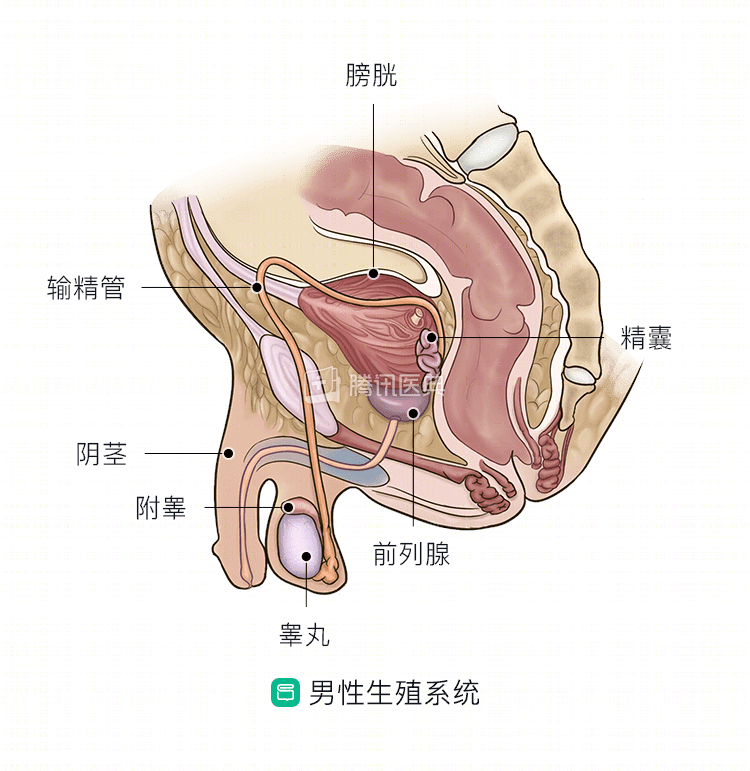
In addition, prostate cancer cells also have the ability to secrete testosterone.
How do hormones stimulate the growth of prostate cancer tissue?
The prostate is the gland in the male reproductive system responsible for semen formation, and androgens are hormones necessary to maintain normal growth and function of prostate tissue and are required for prostate cancer progression.
Androgens promote the growth of normal prostate cells as well as cancerous prostate cells by binding to and activating the androgen receptor, a protein located on the surface of prostate cells. Once the androgen receptor is activated, it stimulates the expression of specific genes that contribute to the proliferation of prostate cells.
In the early stages of disease development, prostate cancer requires high levels of androgens to grow, and this type of prostate cancer is called “androgen-dependent” or “androgen-sensitive” prostate cancer because androgen levels can be effectively suppressed by treatments that reduce androgen levels or block androgen activity. This is called “androgen-dependent” or “androgen-sensitive” prostate cancer, because treatments that reduce androgen levels or block androgen activity can effectively inhibit the effects of androgens on prostate cells, thereby inhibiting the growth of cancerous tissue.
However, most prostate cancers eventually become “depot resistant,” meaning that they can continue to grow even when the body’s androgen levels are low or minimal.
Related articles: