Compared to other tumors, prostate cancer is generally a tumor with a better prognosis. Patients with early-stage prostate cancer can be cured with radical prostate cancer surgery, and patients with advanced metastases can also have their symptoms relieved and their survival rate improved with surgery, radiation therapy, endocrine therapy, chemotherapy, and other means.
Because the prostate is located deep in the pelvis and has an envelope outside the prostate, there are no obvious symptoms of early prostate cancer, and as prostate cancer continues to progress, tumor cells metastasize to distant sites with blood and lymph fluid.
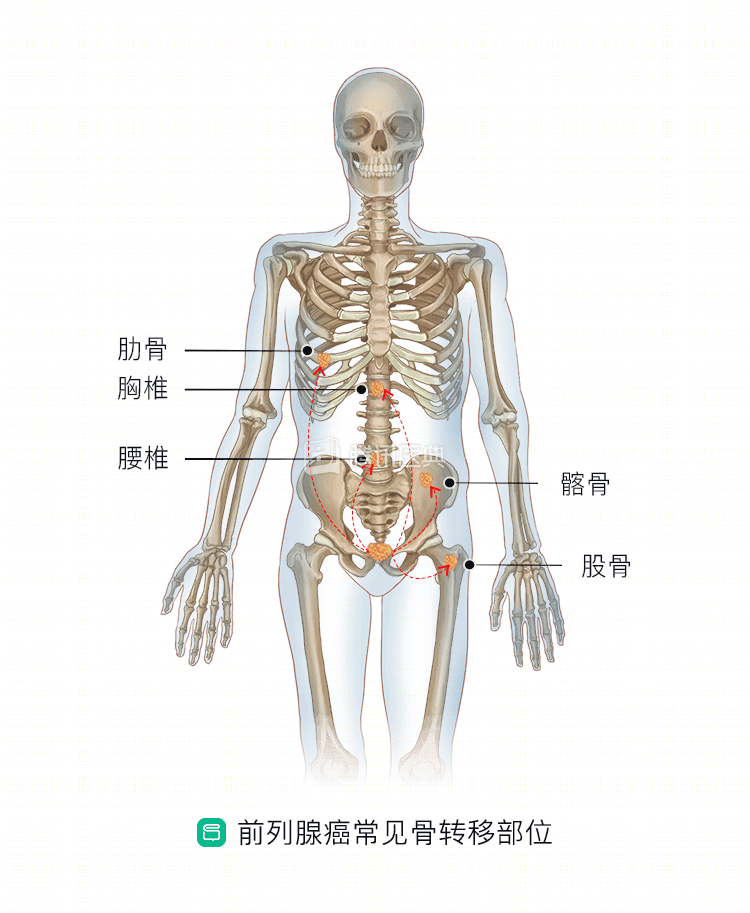
Bone is the most likely site of metastasis of prostate cancer. Once bone metastasis occurs, it will cause bone pain to a certain extent, especially in the lumbar, sacral and hip bones, and some patients may even have pathological fractures due to bone metastasis in the thoracic and lumbar spine, which may cause serious symptoms such as paraplegia. The most important thing is that the company will be able to offer a wide range of products and services to the public.
How to prevent prostate cancer metastasis?
Early detection and timely management of tumors is the best way to prevent metastasis, while patients should initially learn to recognize two indicators of prostate cancer:
- Prostate specific antigen (PSA): Generally speaking, the higher the PSA, the more likely it is to metastasize, and some studies have found that when PSA exceeds 20ng/ml, more than half of the patients may have developed microscopic bone metastases. The diagnosis of bone metastases at this time can help to select the most favorable treatment for the patient in time.
- Gleason score: This index is used to assess the pathological characteristics of the tumor, which is an important measure of the malignancy of prostate cancer. In contrast, a higher score means that the prostate cancer cells are more malignant and the tumor is likely to progress in the short term, or even develop distant metastases, and should be treated more aggressively and tested closely.
.
Is there no hope for prostate cancer once it has metastasized?
Once metastasis has occurred, it is not a good idea to treat it more aggressively.
Don’t panic and despair once metastases occur. With advances in treatment concepts and medical technology, not all patients with metastases are lost to surgery. The patient can still undergo prostatectomy for patients who are in good health and have only oligometastases (less than 3 bone metastases throughout the body). Although it is difficult to achieve the same results as radical surgery for early-stage tumors, it can still help to improve symptoms and prolong survival.
A study published in April 2018 in Eur Urol, Europe’s leading urology journal, brings good news for advanced prostate cancer.
The study reports the latest findings from the internationally renowned Anderson Cancer Center, which found symptomatic relief after radical prostatectomy in selected patients with castration resistant prostate cancer (CRPC) who had developed metastases, with 14 patients who underwent In 12 of the 14 patients who underwent radical prostatectomy, they survived more than 1 year without serious surgical complications.
Related articles: