There are many treatment options for prostate cancer, and doctors consider a wide range of patient conditions when giving treatment plan recommendations, including:
- The size of the tumor and how far the cancer has spread, i.e., the stage of the prostate cancer;
- the malignancy of the tumor (Gleason score, ISUP grading, etc.);
- age and physical condition;
- Patient personal preference.
Depending on the patient’s specific situation, the physician may pursue the following treatment options:
- Watchful waiting, active surveillance: This is the temporary withholding of treatment, but ongoing observation of tumor progression. Because the vast majority of early-stage, low-risk prostate cancers progress slowly, if they do not show changes in tumor characteristics or cause symptoms, they can be left untreated and chosen to continue to be monitored. This means close observation, active monitoring and regular physical examinations to allow real-time tracking of tumor changes.
- Surgery: This usually means partial prostatectomy or radical prostatectomy. The type of surgery depends on the size and location of the tumor and the purpose of the surgery.
- Radiotherapy: Radiotherapy is the use of high-energy particles to kill cancer cells to reduce the size of the tumor. It can be used to treat localized tumors in the prostate or to treat prostate cancer that has spread (no more than 3 sites of metastasis).
- Endocrine therapy: Androgens promote the growth of most prostate cancer cells. Endocrine therapy can “starve” prostate cancer cells by lowering androgen levels and blocking the supply of nutrients to the cancer cells.
- Proton beam radiation therapy: A special type of radiation therapy that uses very small energetic protons to attack and kill cancer cells that have not yet spread.
- Chemotherapy: It is given by mouth or intravenously to attack and kill cancer cells and shrink the size of the tumor. Chemotherapy may be given if the cancer has spread beyond the prostate, or if endocrine therapy has not worked.
- Biologic therapy: Fights cancer by activating the immune system and is indicated for patients with advanced prostate cancer.
- Biphosphonate therapy: If prostate cancer cells metastasize to the bone (bone metastases), these drugs can reduce bone pain and prevent pathological fractures.
Doctors usually choose one of these modalities to start treatment, but there are some cases where a combination of modalities is needed.
In addition, scientists are conducting clinical trials of a number of new therapies designed to test their safety and effectiveness. Some of the new therapies that are still in the research phase are:
- Cryotherapy or cryosurgery: It is currently used to treat tumors such as prostate and kidney cancers by freezing them with a surgical probe that kills the prostate cancer cells.
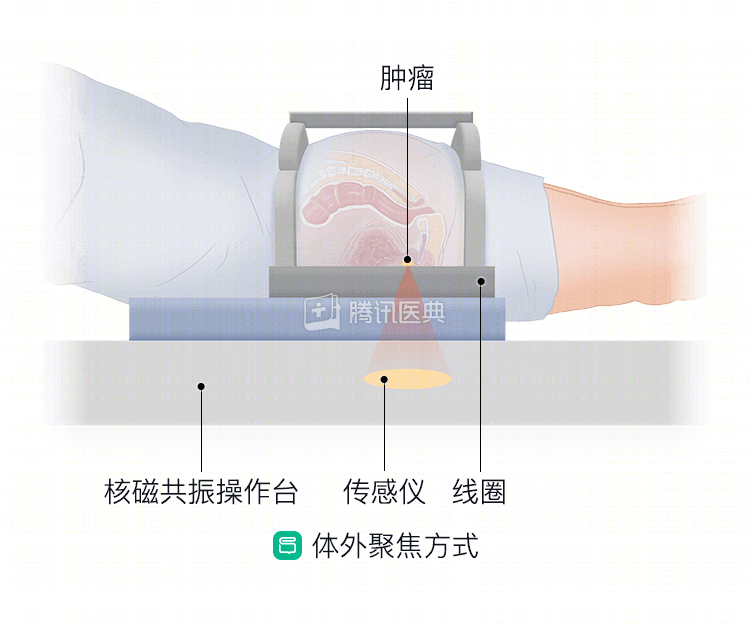
- High-intensity focused ultrasound (HIFU): In contrast to cryotherapy, this type of therapy uses a probe that releases high heat to cauterize and kill cancer cells.
.
Treatment of prostate cancer can also cause a number of side effects in the body, common ones include:
- Gastrointestinal disorders
- Decreased sex drive
- Erectile dysfunction
- Infertility
- Leakage or urinary incontinence, frequent urination
The impact of side effects needs to be considered when choosing a treatment option. The average side effect can be effectively controlled. If the side effect is severe or difficult to control, the doctor may change the treatment plan.
Therefore, the following factors need to be considered when choosing a treatment:
- Risk-benefit: Ask your doctor for detailed information about the advantages and disadvantages of each treatment.
- Side effects: Assess your ability to tolerate the side effects of treatment.
- Urgency: It is important to emphasize that not all prostate cancer patients need treatment right away. Some patients with early stage, slowly progressing tumors may not need treatment and only need regular monitoring.
- Age and overall health status: For patients of advanced age or with other serious disease, surgery or chemotherapy can be risky, and options such as watchful waiting, endocrine therapy, or cryotherapy may be more appropriate.