In the smoky battlefield of anti-cancer drug development, new drugs are coming on the scene; less known is the fact that one inexpensive drug is also a “veteran”, the famous aspirin.
It’s like “anything goes”
.
Hippocrates, the “father of medicine,” documented the medicinal effects of willow bark around 400 BC. Thousands of years later, the ancient drug was successfully isolated from the bark and modified to be called “aspirin”.
Aspirin seems to do everything, so much so that many people joke that if they were ever stranded on a desert island and could only carry one medicine with them, it would be aspirin. This is because it can reduce fever, relieve pain, fight inflammation, prevent blood clots …… and even prevent cancer.
Many researchers are very interested in the correlation between aspirin and cancer rates. After all, if it costs less than a dollar a day to prevent cancer, that’s perfect!
Can it prevent liver cancer?
In 2010, the University of Oxford analyzed data from clinical trials and found that taking aspirin for more than 5 years reduced the risk of cancer or death from cancer, specifically stomach and colorectal cancers, as well as prostate cancer. However, to date, it is not clear whether aspirin can prevent liver cancer.
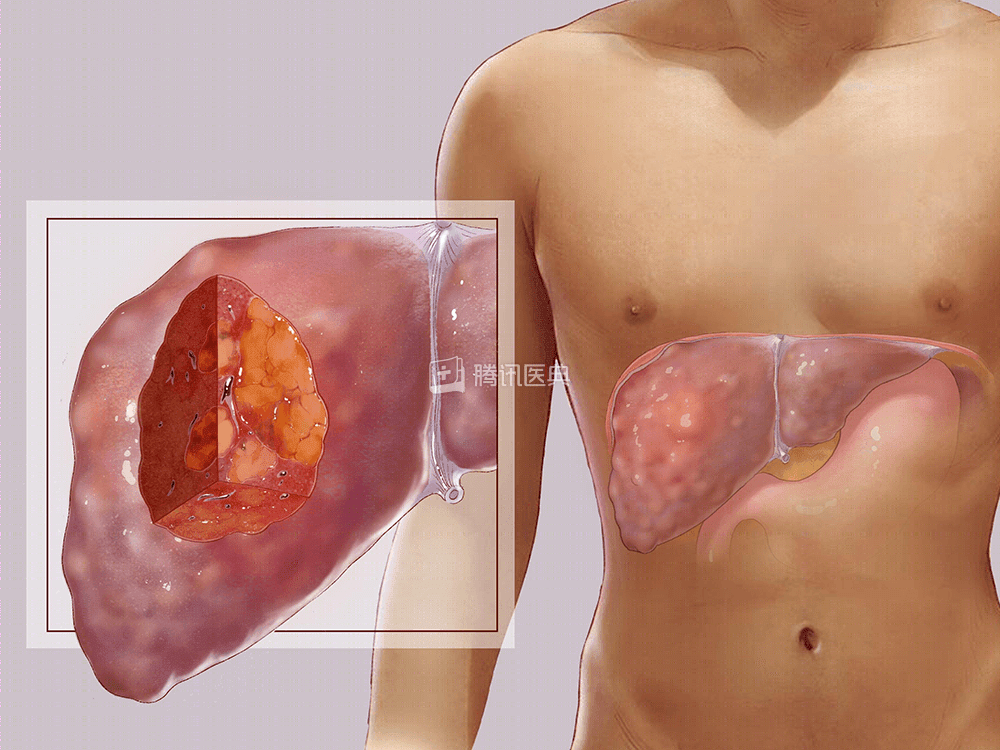
Recently, the New England Journal of Medicine, a top international medical journal, published a study on aspirin that investigated the drug’s association with the risk of liver cancer in people with chronic hepatitis B or C.
Next, a look at how this trial was conducted:

The findings showed that patients using low-dose aspirin were more likely to have a lower risk of hepatocellular carcinoma and liver-related mortality compared with those who did not use aspirin.
For the side effects of aspirin, Robert S. Bresalier, MD Anderson Professor of Gastroenterology, Hepatology, and Nutrition, warned that it has a very significant downside – an increased risk of internal bleeding, especially for those who drink alcohol, have a history of gastrointestinal ulcers, or are taking anticoagulants in older adults. However, in this study, low-dose aspirin therapy did not result in a higher risk of gastrointestinal bleeding compared with patients who did not use aspirin, and this was similar to the results of two previous studies conducted in Korea and Taiwan, China.
Promising, but inconclusive
Are the results of this trial enough to prove that aspirin can prevent liver cancer? Tracey Simon of Massachusetts General Hospital and Harvard Medical School in Boston, a member of the research team, thinks that although the findings are promising, they are inconclusive and no one should start taking aspirin to prevent liver cancer because of them.
She said, “What we really need is a randomized controlled clinical trial, which is the only way to calculate whether there is a balance between the benefits and risks of aspirin for cancer prevention.”
Because of this, until that balance is found, the American Cancer Society and other related organizations have not endorsed the routine use of aspirin for cancer prevention.