What does it mean if you are diagnosed with hepatocellular carcinoma (HCC) and your disease is in stage III? First, there are several staging systems for liver cancer internationally, including the Barcelona Clinical Liver Cancer (BCLC) staging system, the TNM staging system, and others. According to the development characteristics of Chinese patients, China also has its own liver cancer staging system. Below, let’s understand the flow chart of treatment for stage III hepatocellular carcinoma (Figure 1).
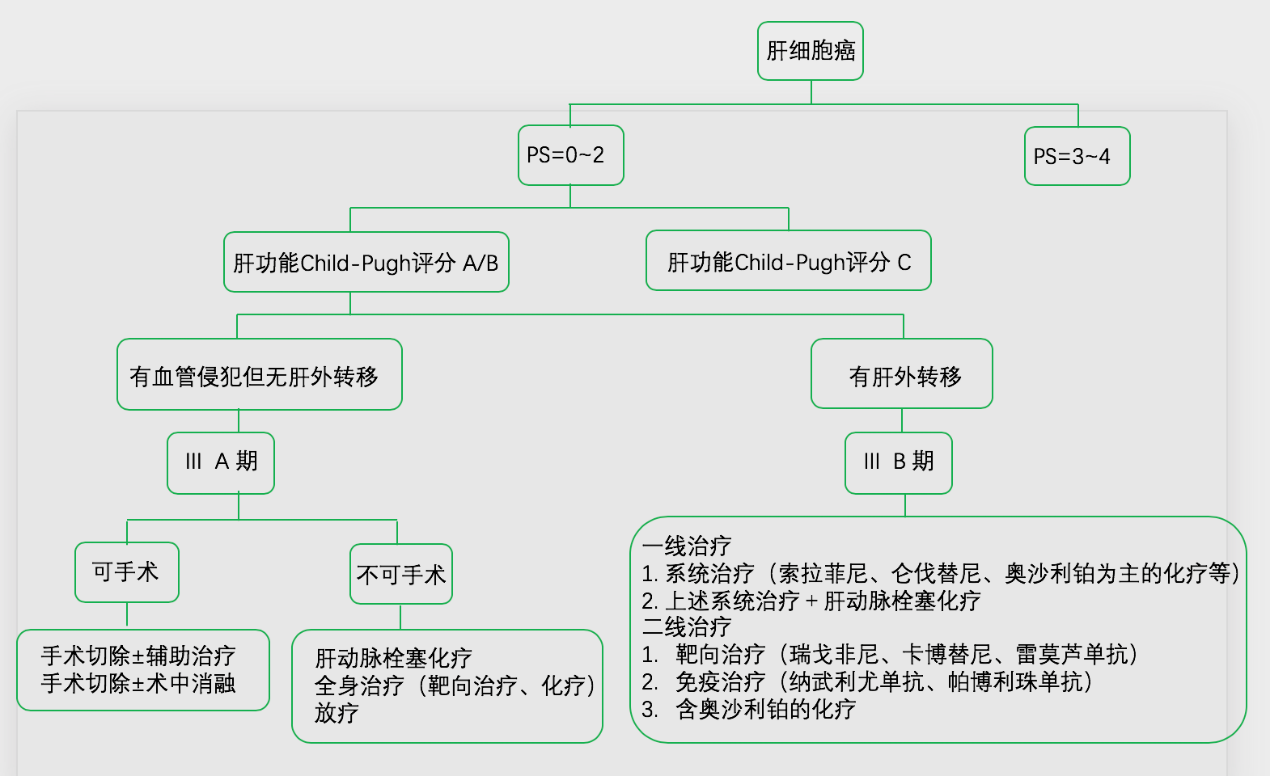
Figure 1 Flowchart for the treatment of stage III hepatocellular carcinoma
1. Tumor scope
Stage III hepatocellular carcinoma is an advanced stage liver cancer, which can be divided into two types: one is patients who have invaded blood vessels but have not yet developed extrahepatic metastasis, which is stage IIIA; the other is patients who have invaded blood vessels and have also developed extrahepatic metastasis, which is stage IIIB. Patients in this stage have a reasonably good state of liver function and physical activity (PS=0 to 2 points).
For further information on the liver function Child-Pugh rating and physical activity status PS score see the link:
2. Life expectancy
Patients with stage III hepatocellular carcinoma have a median survival time of only about 4 to 8 months without standard treatment.
3. Treatment options
When it comes to treatment, doctors are “following the guidelines”. The mainstream guidelines are the NCCN guidelines in the US and the CSCO guidelines in China.
Stage III hepatocellular carcinoma is the most complex. A small number of stage IIIA patients may still be able to clear the lesion with surgery combined with interventional (mainly hepatic artery chemoembolization) or ablative therapy, but the majority of patients, who are not so lucky, can only manage their disease with systemic therapy. For stage III patients, Chinese and foreign guidelines mainly recommend systemic therapy or combination of hepatic artery embolization chemotherapy on top of systemic therapy, as shown in Table 1 below.
Table 1 Treatment recommendations of NCCN and CSCO guidelines for stage III hepatocellular carcinoma

The “jargon” in the professional guide above is a little hard to understand, so I’ll “translate” it for you.
Targeted drugs
The targeted drug sorafenib is the traditional first-line treatment for liver cancer. It can inhibit tumor cell proliferation and block tumor neovascularization, which is equivalent to blocking the tumor’s “food supply”. The newest version of the drug, lenvatinib, is another targeted agent that also inhibits tumor angiogenesis and is as effective as sorafenib, which is recommended as first-line therapy in the same guidelines as sorafenib.
After taking these targeted drugs for a period of time, most patients will become “drug resistant” and their disease will worsen. For this group of patients, they can be treated with the oral targeted agents regorafenib, cabozantinib, or the VEGFR2 antibody ramolutumab, but also with the new immune checkpoint inhibitors, nabritumomab and pablizumab.
Chemotherapy
Chemotherapy, although slightly less effective than targeted agents such as sorafenib, is also effective in controlling the disease and prolonging survival in patients with advanced disease. Guideline-recommended chemotherapy regimens include the FOLFOX4 regimen (oxaliplatin + calcium folinate + 5-fluorouracil), XELOX (oxaliplatin + capecitabine), or arsenious acid. The combination of systemic chemotherapy with hepatic artery embolization chemotherapy is more effective.
For patients with hepatocellular carcinoma with concomitant HBV or HCV infection, concomitant antiviral therapy is required at the time of treatment.
For extrahepatic metastases, palliative irradiation therapy can be used.
4. Daily life
Patients should adopt a healthy lifestyle, maintain an optimistic attitude, and actively communicate with their doctors about their condition. If you have the habit of drinking alcohol, please make sure to quit drinking.