Some time ago, Ms. Cherry, the author of the Japanese comic “Cherry Pills”, and Li Mo, the wife of writer Tang Jia San Shao, died of breast cancer in quick succession.
Today is October 18, which is also World Breast Cancer Awareness Day. Despite the annual Pink Ribbon Campaign, is the “common knowledge” you know about breast health and breast cancer really correct?
To quiz you, we’ve prepared a brainstorming quiz. The newest addition to the list is the newest addition to the list.
01

Which of the following bras does not cause breast cancer?
A. With a steel ring
B. Without a steel ring
C. Neither of them
Answer: C
Interpretation:
A 2014 U.S. research study found that factors such as length of time wearing a bra, size, presence or absence of a steel ring, and age did not have any relationship with breast cancer. The only time underwear with steel rings can cause pressure is when the size is not right. But it does not lead to breast cancer or other breast diseases.
So for those of you who like to “hang back”, that’s no reason to not wear a bra …… (and neither is a small chest ……)
Expanded reading: Will women with steel ring bras cause breast cancer? Is there a scientific basis for this?
02

Is it true that women with larger breasts are more likely to get breast cancer?
A, Yes, women with large breasts have high estrogen
B. Wrong, there is no relationship between breast size and breast cancer
C, Wrong, women with small breasts are more likely to get breast cancer
Answer: B
Interpretation:
A 2006 Harvard University study found that large breasts and small breasts are not the determining risk factors for breast cancer development; obesity and overweight are. The fact that obese women tend to have larger cups contributes to the misconception that “bigger breasts are more likely to get breast cancer”.
We should be more concerned about losing weight and maintaining a normal BMI than about having big breasts, and remember to check yourself and have a physical exam often to be a good piggyback girl.
Extended reading丨Breast density becomes a key factor in the development of breast cancer
03
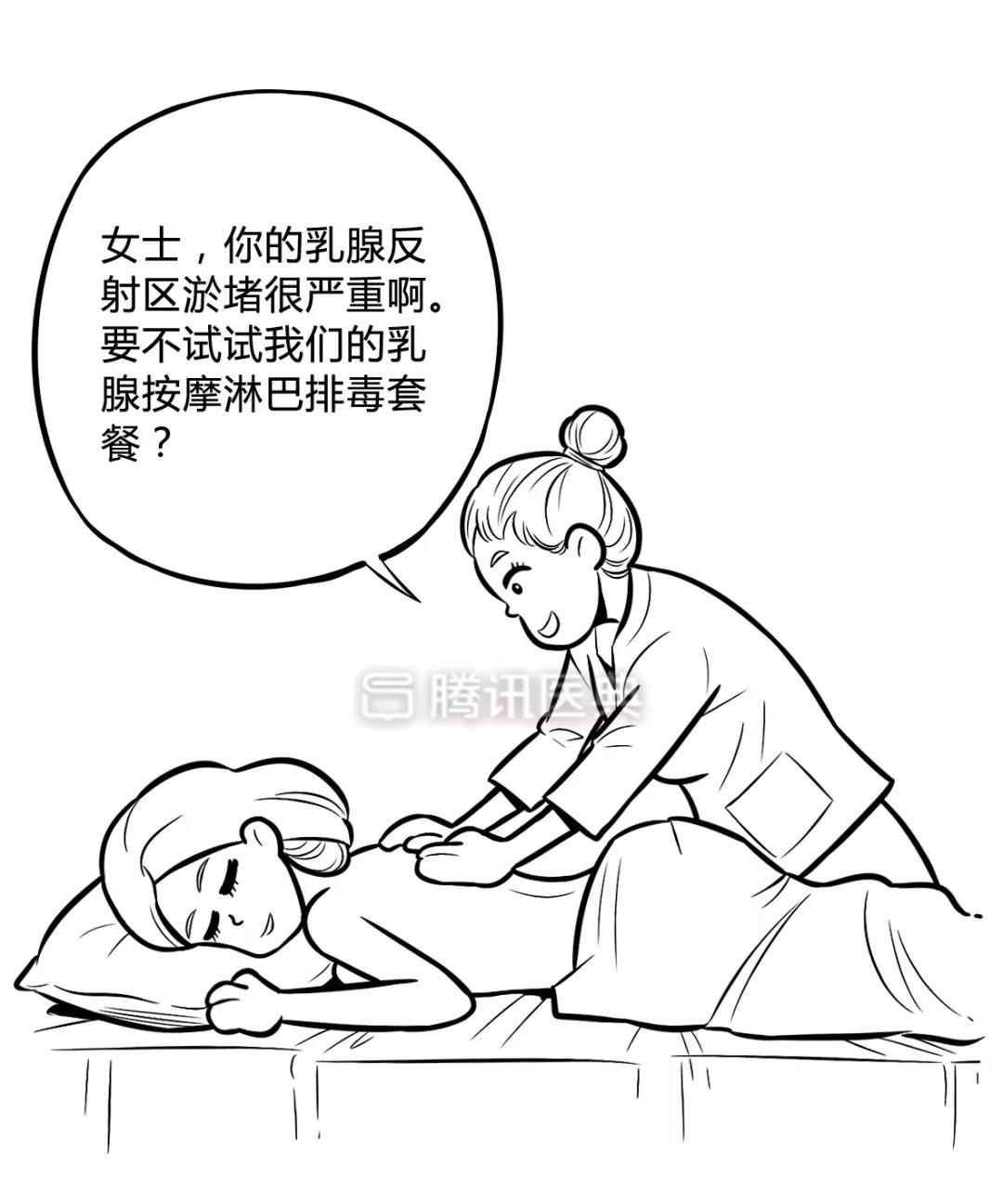
Can breast massage prevent breast disease?
A, yes, breast massage can unblock lymph, eliminate lumps, and improve hyperplasia
B, no, but breast massage can make breasts fuller
C, no, breast massage may instead aggravate the condition
Answer: C
Interpretation:
Massage is not only unable to “get rid of” hyperplasia and nodules, but improper techniques may also cause breast trauma and breast abscesses during lactation. The company’s main goal is to provide the best possible service to its customers. In addition, the simple breast massage and not breast enlargement, unless the oil added estrogen. And long-term high levels of estrogen stimulation is also a major cause of breast cancer.
It’s a little exciting to think about how many salons have been accidentally cut off.
04
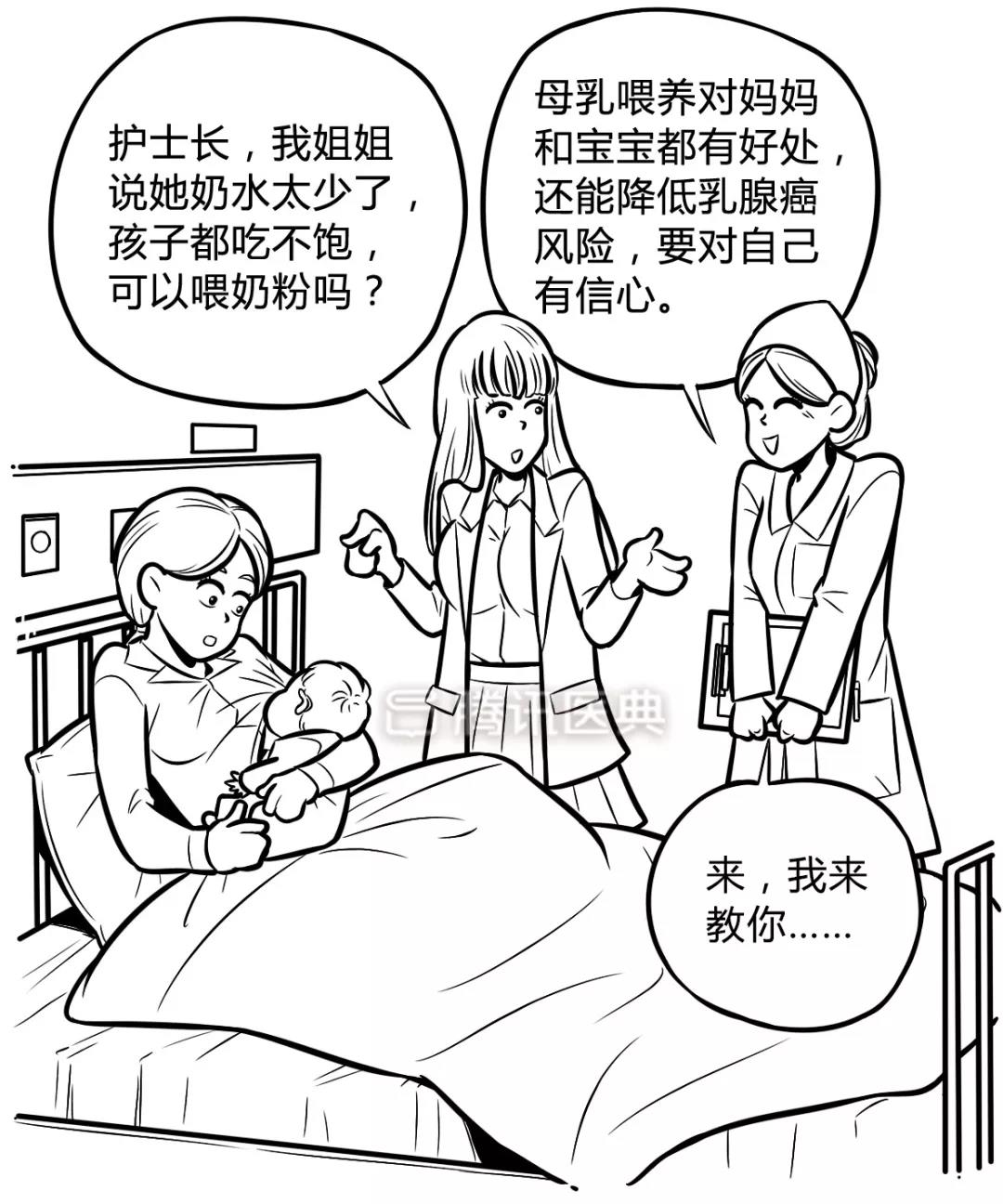
Does breastfeeding reduce the risk of breast cancer?
A, yes, breastfeeding produces hormones that are protective
B, yes, breastfeeding promotes breast detoxification
C, no, breastfeeding is not associated with breast cancer
Answer: A
Interpretation:
The results of several studies suggest that women who give birth for the first time at an age older than 35 or who have never given birth or breastfed are more likely to develop breast cancer; whereas having more children, breastfeeding, and breastfeeding for a longer duration can reduce breast cancer risk. The likely reason is that pregnancy and breastfeeding prolong the protective effects of beneficial hormones such as progesterone and lactogen, reducing the risk of breast cell malignancy.
Of course, these words are not a reason to push for marriage and birth. Having children and breastfeeding is a woman’s right to freedom, and I hope every woman will make the decision to make herself happy.
Extended reading: 5 things new parents must know about breastfeeding
05
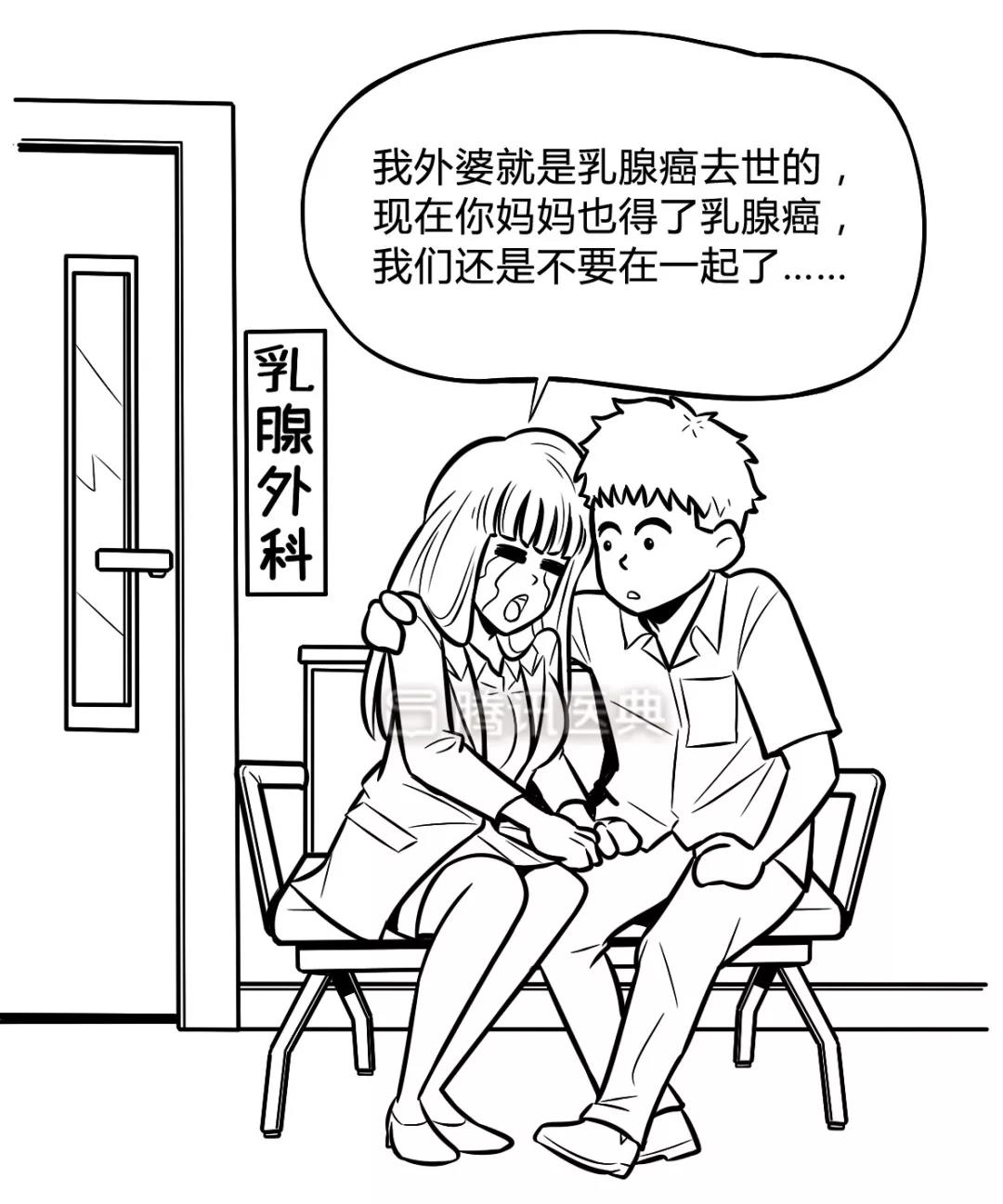
Will offspring inherit breast cancer from a woman whose loved one has it?
A, It is only inherited within two generations, but not across generations
B. Only female offspring will be inherited, not males
C, only individual genotypes are inherited, and the majority of breast cancers are not inherited
Answer: C
Interpretation:
Having a family history of breast cancer increases the risk slightly, but most people will never develop cancer in their lifetime. The Lancet study found that if a woman had 0, 1, or 2 first-degree relatives with breast cancer, respectively, the estimated cumulative incidence of breast cancer was 1.7%, 3.7%, and 8% after age 50, and 7.8%, 13.3%, and 21.1% after age 80, respectively. The risk is even lower if there is only a family history of second-degree relatives.
And 8 of 9 patients who have been diagnosed with breast cancer do not have a first-degree family history. But if the family has a BRCA1/BRCA2 gene mutation, the risk is extremely high (45% to 56%), and this really does run in families.
But why not B? Can men get breast cancer too? Hold your tongue for the next question!
Extended reading丨Want to know the past life of the BRCA gene for breast cancer, look here!
06

Can men get breast cancer too?
A, yes, especially in older men
B, yes, but it’s better than female breast cancer
C, no, male breast cancer is all misdiagnosed
Answer: A
Interpretation:
Most male breast cancer patients are 60 to 70 years old, which is only 1%, but are more likely to metastasize than female breast cancer. Having an immediate female relative with breast cancer (especially BRCA2 mutation) also increases the chance of breast cancer in men. Men are more likely to ignore symptoms and delay the disease due to traditional beliefs, and often have a higher mortality rate than women with breast cancer.
For those of you reading this, you can manually forward it to your boyfriends/husbands to scare them ~ it’s okay if you don’t, you can forward it to your male best friends.
Expanded reading丨Understanding the diagnosis and treatment of male breast cancer
07
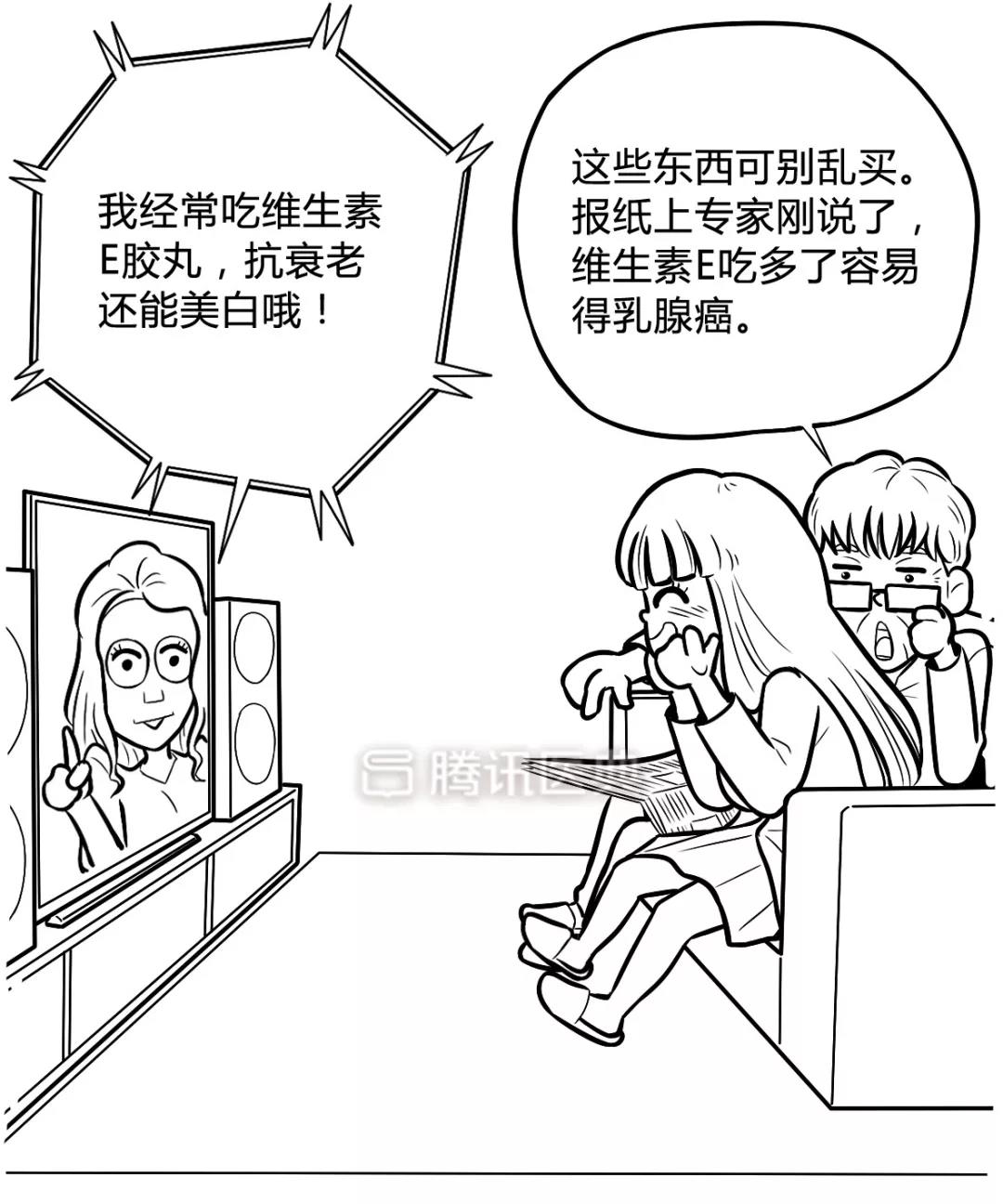
Can beauty supplements, vitamin E gummies, increase the risk of breast cancer?
A, yes, vitamin E can promote estrogen increase and lead to breast cancer
B, no, vitamin E is not associated with the development of breast cancer
C, no, vitamin E is an antioxidant and also prevents breast cancer
Answer: B
Interpretation:
Multiple studies have shown that vitamin E neither promotes nor protects against the incidence of breast cancer. Vitamin E from dietary sources may moderately protect women from breast cancer; however, there is no evidence that vitamin E supplements have any protective or promotive effect on breast cancer.
Extended reading丨Three months of taking vitamin E in a row, college girl goes to hospital with dizziness ……
08

Will a medical exam reveal breast enlargement that can turn into breast cancer?
A, yes, it takes only 4 steps to go from mastocytosis to breast cancer
B, basically not, most breast enlargement is normal
C, not necessarily, but mastopexy must be treated to prevent malignancy
Answer: B
Interpretation:
Mastocytosis is a benign physiological change of the breast that generally requires no specific management and does not definitively lead to an increased risk of breast cancer. Only 5 % of biopsies confirm atypical hyperplasia, which is a true precancerous lesion and requires regular review, but 80 % of atypical hyperplasia does not progress to breast cancer throughout life.
In other words, more than 95% of breast growths are normal, and instead of worrying about anxiety, it’s better to let go and stay in a relaxed mood.
Expanded reading丨The correct understanding of breast enlargement and breast fibroadenoma
How many of the 8 questions above did you get right?
Let me make a prediction:
Those who got more than 4 questions right are young brothers and sisters who often read the Tencent medical dictionary and love to learn, and deserve encouragement.
Those who got more than 6 questions right are either blindfolded or studying medicine, or they are friends of women.
What, did you turn in a blank answer?
Poke the Tencent Medical Dictionary to catch up on your breast cancer knowledge!