In the absence of any symptoms, doctors usually use two simple tests to make a preliminary diagnosis of prostate cancer:
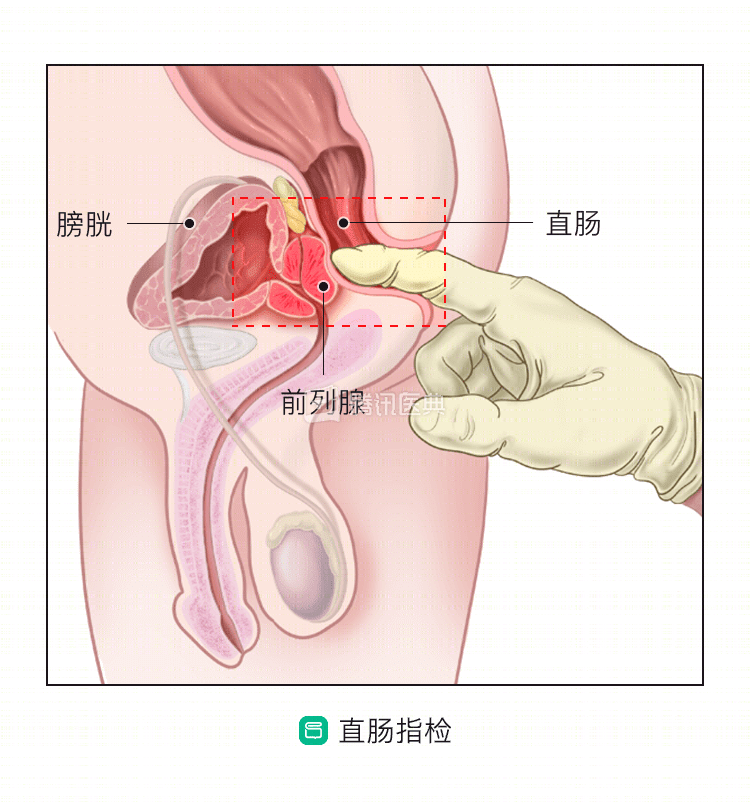
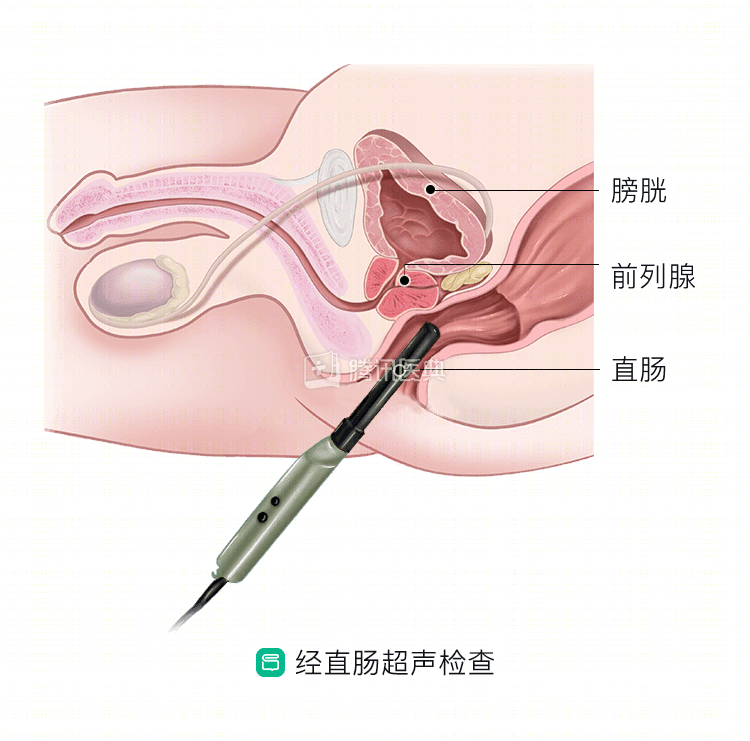
- rectal palpation: The physician’s finger is inserted into the patient’s rectum to palpate the prostate for hard or bumpy nodules, and transrectal ultrasound is often used now and can be more advantageous.
.
- Blood test: This is used to measure the level of prostate-specific antigen (PSA) in the blood, a substance produced by the prostate gland, which can be elevated in the presence of prostate cancer.
.
The results will be more accurate when both tests are used together.
But there are some drawbacks to both tests:
- Many men with mildly elevated PSA do not have prostate cancer;
- Some patients with prostate cancer do not have elevated PSA levels;
- In addition, a rectal exam sometimes does not detect prostate cancer because the doctor can only feel the back of the prostate.
Thus, imaging modalities such as ultrasound, CT, and MRI are more important diagnostically.
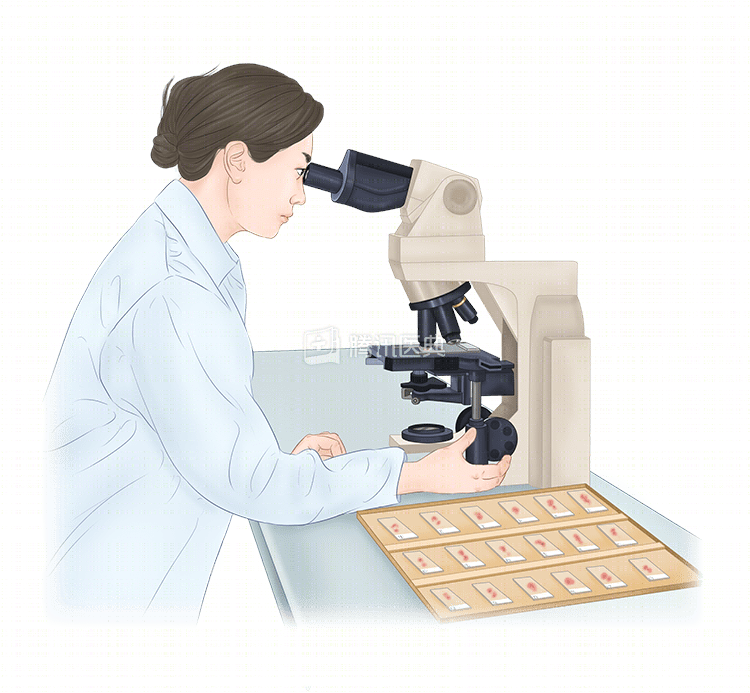
The diagnosis can only be confirmed by looking at the prostate tissue under a microscope, which requires a surgeon to perform a prostate puncture biopsy, in which a small sample of tissue is removed from the prostate and then examined and evaluated under a microscope.
Physicians usually ask about the patient’s medical history, such as any family history of genitourinary tract disease, changes in urinary habits, etc. This information helps to correctly diagnose prostate cancer.
Related articles: