CT is a computerized tomography scan, which uses X-rays to scan a cross-section of the body and a computer to process the images. CT imaging helps examine the size and location of the prostate, whether the lymph nodes are swollen or enlarged or have invaded other areas, and whether the tumor has spread.
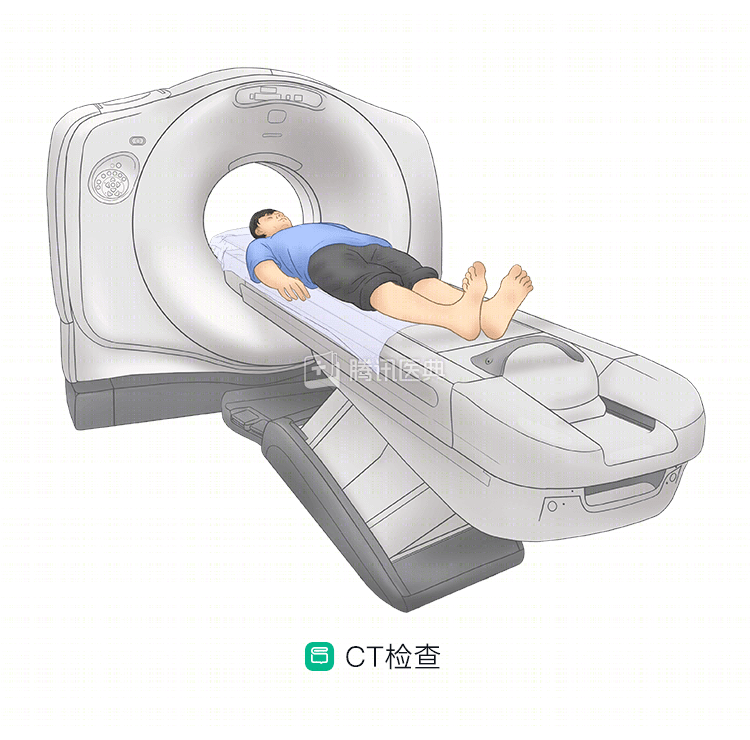
In general, CT scan imaging may be considered when the tumor is expected to be large, when the biopsy reveals an aggressive tumor, or when the prostate-specific antigen (PSA) level is very high.
Precautions before a CT scan
Enhanced CT scans require an injection of intravenous contrast, and the subject should have blood drawn first to ensure that the kidneys are able to drain the contrast. Failure to complete the blood test may delay the CT scan.
Only water or beverages such as broth, tea, juice, vegetable broth, black coffee, and soda are allowed the night before the CT scan, as well as clear jello, but no alcohol.
Cautions on the day of the CT exam
On the day of the exam, the following points should be noted:
- It is best to arrive at the exam site earlier than your appointment time.
- No food or drink for 4 hours before the scan.
- You may be required to take a special solution (“oral contrast”) to prepare for the scan, please follow your doctor’s instructions.
- You may continue to take your medication as usual during the exam, or you may consult your doctor if you need to stop taking your medication.
- Change of gown during the exam is required because snaps and zippers in civilian clothing may interfere with the scan. It may also be necessary to remove your watch or any jewelry.
- It is best to leave valuables, such as jewelry, credit cards, and other valuables, outside the exam room.
- The CT scan takes 15-60 minutes in most cases, so please allow an hour in advance.
After the exam is complete, the radiologist will evaluate the CT imaging results.
What is the procedure like?
Some types of CT scans require intravenous contrast to help the radiologist better see the body structures on the image.
After the contrast agent is injected, the subject may feel flushed or a metallic taste in the mouth, which are common reactions. Tell your doctor if you experience shortness of breath or any unusual symptoms.
The examiner will assist the subject to lie in the correct position on the exam table, which will automatically move to the imaging position. Stay as still as possible during the entire exam; movement can blur the images. It is sometimes necessary to temporarily hold your breath while the images are taken.
Usually, you can resume your daily activities and diet immediately after the exam.
Related articles: