Magnetic resonance imaging (MRI) produces very clear images of the body, but instead of using X-rays, it uses large magnets, radio waves, and computers to produce these images.
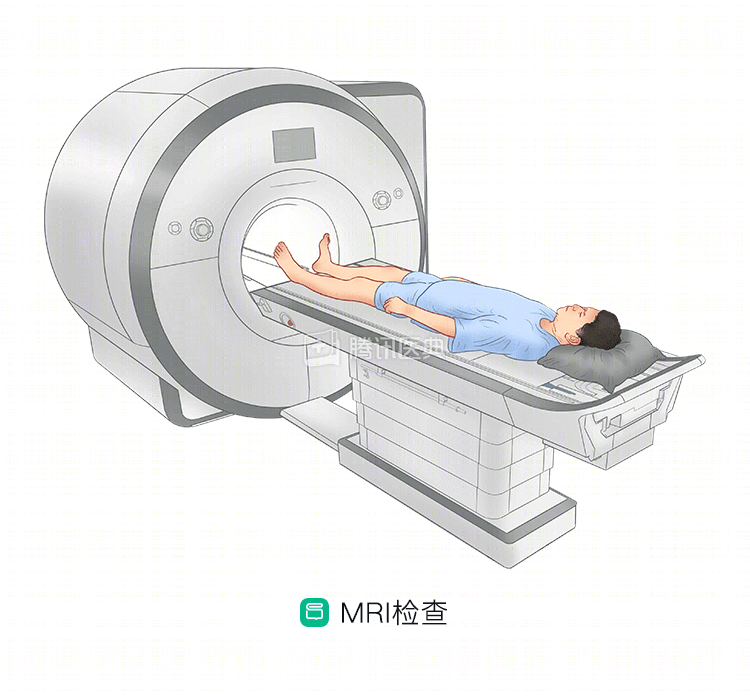
For patients with prostate cancer, MRI can be used to examine the prostate and its nearby lymph nodes to distinguish between benign and malignant areas.
Safety of MRI examinations
MRI is safe for the average patient if safety guidelines are followed and in people who have had cardiac surgery and use the following medical devices/apparatus:
- Surgical clips or sutures
- Artificial joints
- Suture staples
- Heart valve replacement (except Starr-Edwards metal ball/cage)
- Disconnected drug pump
- Vena cava filter
- Brain shunts for hydrocephalus
But there are some conditions that require caution, and some conditions may not be appropriate for MRI. Tell your doctor if any of the following apply to determine if an MRI can be performed:
- Pacemaker
- Brain aneurysm clips (metal clips on blood vessels in the brain)
- Implanted insulin pump (for diabetes treatment), anesthesia pump (for pain medication), or implanted nerve stimulator (TENS) for back pain
- Metal in the eye or eye socket
- Cochlear (ear) implants for hearing impairment
- Implantation of spinal stabilization bars
- Severe lung disease (e.g., tracheal tenderness or bronchopulmonary dysplasia)
- Severe acid reflux
- Weighing more than 300 pounds
- Inability to lie still for 30 to 60 minutes
- Claustrophobia (fear of enclosed or confined spaces)
In most cases, MRI exams take 45 to 60 minutes, during which time dozens of images can be taken; please allow 1 1/2 hours for the MRI.
Precautions for MRI exams
Personal items such as watches and wallets (including bank cards with magnetic stripes) should not be brought into the room with the MRI machine before the exam, or credit cards will be demagnetized. Jewelry should be left at home or removed prior to the MRI scan and placed in a secure locker or given to an accompanying relative.
Patient gowns are required during the MRI scan.
At the beginning of the scan, a low, pounding sound is heard from the instrument and lasts for several minutes. Other than the sound, the subject will not feel anything unusual during the scan.
Some MRI exams require an injection of contrast, which helps identify certain specific anatomical structures on the image.
For people who feel anxious in small spaces (claustrophobia), talk to your doctor before the exam. Your doctor may recommend taking medication to relieve anxiety before the procedure, or taking an open MRI examination device.
After the MRI exam, you can resume your daily activities immediately.
Related articles: