Prostate disease is very common in life, but how much do people know about this disease?
Shut up: prostate disease ≠ STD
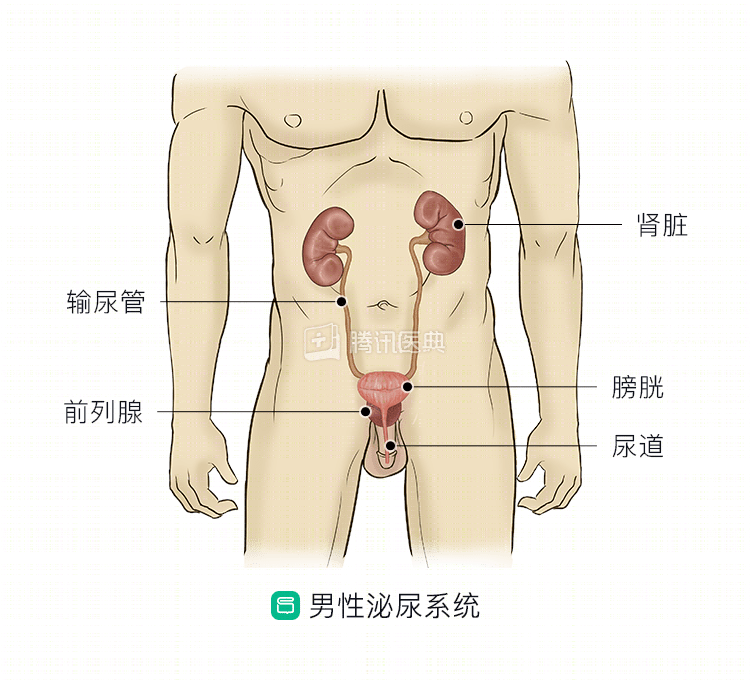
Many men have suffered from genitourinary disorders, which seriously affect their physical and mental health and quality of life. The fact that genitourinary diseases are often private and patients have many misconceptions, some confusing genitourinary diseases with STDs, leads many to be ashamed to talk about their illness and unwilling to go to the hospital.
But they don’t realize that this may not only delay treatment and worsen the condition, but may also lead to psychological problems and even endanger lives.
Prostate enlargement is a disease of the elderly, so don’t worry too much
Prostate enlargement is indeed more common in older men, with about half of the men over the age of 50 having the prevalence. Therefore, the Chinese Medical Association recommends that men over the age of 50, even if they are not currently symptomatic, should visit their hospital urology department regularly for screening for the risk of prostate enlargement.
Once any risk of promoting prostate enlargement is identified, it is important to see a urology specialist early. For men who have already discovered symptoms, it is important not to delay the process any longer than necessary to avoid delaying the disease.
Prostate enlargement is a minor problem that should be treated as a priority for other conditions
Prostate enlargement is a benign lesion that generally has a slow course, is almost asymptomatic if it does not cause obstruction, and has little impact on life.

But when hyperplasia reaches a certain level, it can cause a range of urinary symptoms, especially difficulty urinating and urinary retention can have adverse health effects, often leading to complications such as hernias, hemorrhoids, hematuria, bladder stones, recurrent urinary tract infections, hydronephrosis, and uremia.
If urinary symptoms are not treated and relieved in time, frequent nocturia will seriously affect sleep and rest, which can aggravate common diseases of the elderly such as hypertension, coronary heart disease, diabetes, heart failure, and cerebrovascular disease, creating a vicious cycle that directly affects the quality of life and longevity of the elderly.
Long-term illnesses and unauthorized discontinuation of medications
Many patients who have been treated stop taking their medication after their symptoms have initially improved, causing their condition to recur or even worsen. Medications for prostate enlargement, like those for hypertension and diabetes, need to be taken for life and tested regularly.
Prostate enlargement “all for nothing”
Some people think that if they have prostate enlargement, surgery to remove it will be enough. In fact, most enlargements do not require surgery.
- For patients with no symptoms or mild symptoms and no comorbidities, a “watch and wait” approach can be used, with the urologist reviewing and periodically reviewing the patient’s symptoms as they develop to determine if further treatment is needed;
- For most patients with mild to moderate symptoms and no comorbidities, a “watch and wait” approach can be used.
- For most patients with mild to moderate disease: medication is recommended.
If surgery is to be undertaken, the following conditions need to be met:
- Insoluble urine and recurrent urinary retention;
- Prostate vascular varices with recurrent hematuria;
- Recurrent urinary tract infections;
- Obstruction causing bladder stones;
- Formation of upper urinary tract fluid and compromised renal function.
If a patient presents with any of these conditions, surgery is recommended for the patient in a medically acceptable state.
Confusing prostate enlargement with prostate cancer
Early symptoms of prostate cancer are not specific and sometimes manifest as symptoms of urinary obstruction similar to prostate enlargement. Others may experience pain, weight loss, weakness, and loss of appetite, but these are usually already signs of an advanced tumor.
Since the 1990s, prostate-specific antigen (PSA) testing has been widely performed in Europe and the United States, and the detection rate of patients with early-stage prostate cancer has increased dramatically. The PSA test, the most sensitive and widely used tumor marker for prostate cancer, is also available in many hospitals in China, and the entire test is convenient, requires only a few milliliters of blood, and is not painful.
We currently recommend that men over the age of 50 should be tested for PSA at least once a year, and those with a family history should be tested earlier than 45 years of age.
Prostate cancer is a death sentence
.
Some patients or family members are too afraid of malignant tumors, believing that having a malignant tumor is an incurable disease and a “death sentence”.
The World Health Organization (WHO) reports that one third of cancers can be prevented, one third can be cured through early detection, diagnosis, and treatment, and one third can be treated appropriately to extend life expectancy and improve quality of life.
Therefore, cancer is not that scary as long as it is correctly understood and scientifically prevented. As long as prostate cancer can be detected and diagnosed early, its cure rate is quite high, and the efficacy of treatment is also very good.
Related articles: