Anatomy and function of the liver
The liver is one of the largest organs in the body, near the stomach, intestines, gallbladder, and pancreas. The liver can be divided into two lobes and is located in the right upper abdomen, covered by the rib cage.
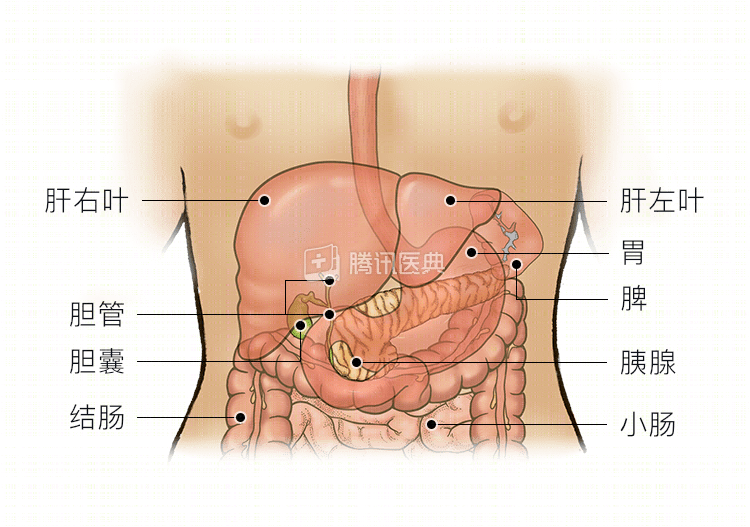
The liver has three important functions:
- filtering toxic substances from the blood so that they can be excreted in the feces and urine;
- Synthesizing bile to help digest fat from food;
- stores glycogen, which can produce energy when necessary.
What is primary liver cancer in adults?
Adult primary hepatocellular carcinoma is a malignant tumor that originates in liver tissue.
There are two types of adult primary liver cancer, which are.
- Hepatocellular carcinoma (hepatocellular carcinoma).
- Cholangiocarcinoma (bile duct cancer).
The most common type of primary liver cancer in adults is hepatocellular carcinoma. This type of liver cancer is the third leading cause of cancer-related death worldwide.
Only the treatment of primary liver cancer (malignant tumors originating in the liver) is described here. The treatment of cancers that originate elsewhere and spread to the liver (secondary hepatocellular carcinoma) is not discussed here.
Primary liver cancer can occur in both adults and children. However, the treatment of children differs from that of adults. For more information on the treatment of liver cancer in children, see:
Risk factors for primary liver cancer
Any factor that increases the chance of developing a disease is called a risk factor. The presence of a risk factor does not necessarily mean that you will develop cancer; the absence of a risk factor does not mean that you will not develop cancer.
If you suspect that you may be at risk for cancer, you can go to the hospital and talk to your doctor, who will direct further testing.
The following are risk factors for primary liver cancer in adults:
The following are risk factors for primary liver cancer in adults:
- Hepatitis B or C. Having both hepatitis B and C further increases the risk of liver cancer.
- Having cirrhosis, which can be caused by.
- Hepatitis (especially hepatitis C);
- High alcohol consumption over the years, or alcohol abuse.
- Having metabolic syndrome. This is a cluster of disorders that includes excess abdominal fat, high blood sugar, high blood pressure, high triglycerides, and low-density lipoprotein.
- Have long-term liver damage, especially damage that may cause cirrhosis.
- Have hemochromatosis, a condition in which the body takes in and stores more iron than the body needs. Excess iron is stored in the liver, heart, and pancreas.
- Consuming foods contaminated with aflatoxin (a fungus that grows on food when stored improperly, such as grains and nuts, can produce aflatoxin).
Signs and symptoms of primary liver cancer
Signs and symptoms of primary liver cancer in adults include a lump or pain in the right upper abdomen. However, these symptoms may be caused by primary liver cancer in adults or by other diseases.
Visit a hospital promptly if you experience any of the following:
- A hard mass in the right upper abdomen just below the rib cage;
- discomfort in the right upper abdomen;
- Swelling in the abdomen;
- Pain in the right shoulder or back;
- Jaundice (yellowing of the skin and whites of the eyes);
- easy bruising or bleeding;
- Abnormal fatigue;
- nausea and vomiting;
- Loss of appetite;
-
Unexplained weight loss;
-
White stools and red and yellow urine;
-
Fever.
Diagnosis of primary liver cancer
Primary liver cancer in adults can be detected and diagnosed by examining the liver and blood.
Tests that may be used include:
Physical examination and medical history
The body is examined to look at general health, including checking for signs of disease, such as the presence of a mass or any other abnormalities. The doctor will also want to know the patient’s health habits, disease history, and treatment history.
Serum tumor marker test
A blood sample is obtained to check for certain substances that are released into the blood by certain organs, tissues, or tumor cells in the body. When there is an increase in the amount of certain substances in the blood, it may be associated with a specific cancer. These substances are called tumor markers.
Elevated alpha fetoprotein (AFP) in the blood may be a sign of liver cancer. Other cancers and certain non-cancerous diseases, including cirrhosis and hepatitis, can also cause elevated AFP. Sometimes, however, AFP can be normal even in patients with liver cancer.
Liver function tests
A blood sample is taken to check the amount of certain substances that the liver releases into the blood. A higher than normal amount of a substance may be a sign of liver cancer.
CT scan
CT scan is a test that shows a series of detailed images of the inside of the body (such as the abdomen) from different angles. These images are generated by a computer that is connected to an X-ray instrument. A contrast agent is injected intravenously or swallowed to help show organs or tissues more clearly. This test is also known as computed axial tomography (CAT).
Spiral CT scans use x-ray instruments that scan the body in a spiral trajectory to show a series of detailed images of the inside of the body.
MRI
MRI is a test that uses a magnetic field, radio waves, and a computer to show a series of detailed images of the inside of the body (such as the liver).
To show detailed images of the blood vessels in and around the liver, a contrast agent is injected into a vein, also known as magnetic resonance angiography (MRA).
Ultrasound
In this test, high-energy sound waves (ultrasound) are bounced off internal tissues or organs, creating echoes. The image of the body tissue formed by the echoes is called a sonogram and can be printed out for subsequent review.
Biopsy
A portion of cells or tissue is obtained and examined by a pathologist under a microscope for signs of cancer. Cell or tissue samples can be collected using the following methods:
- Fine-needle aspiration biopsy: A fine needle is used to collect a sample of cells or tissue.
- core needle biopsy: A slightly thicker, hollow-core needle is used to collect cells and tissues.
- Laparoscopy (laparoscopy): a minimally invasive surgical procedure that looks at the internal organs of the abdomen to detect disease. Several small incisions are made in the abdominal wall, after which a laparoscope (a thin tubular instrument with a light source) is inserted into one of the incisions and another surgical instrument is inserted through the same incision or another incision for sampling (tissue samples).
I believe many suspected patients have the question: Is a biopsy necessary for the diagnosis of liver cancer? A biopsy is not always necessary to diagnose primary liver cancer in adults.
Factors affecting the prognosis and treatment of hepatocellular carcinoma
The following factors can influence the prognosis (chance of recovery) and treatment options for liver cancer:
- Stage of the cancer (size of the tumor, whether it involves part of the liver or the whole liver, whether it has spread to other sites);
- hepatic function;
- The patient’s general health status, including the presence of cirrhosis.