Radical prostate cancer surgery inevitably brings complications while curing the tumor, and these complications occur because of individual differences in addition to surgical technique.
Urinary incontinence
After removal of the urinary catheter 2 to 3 weeks postoperatively, patients exhibit uncontrollable urinary overflow. Damage to the external urethral sphincter is a major cause of postoperative urinary incontinence, as is instability of bladder forcing muscle function after surgery.
What should I do?
First, there is no need for psychological burden, confidence and patience, because incontinence is the most common complication and most patients recover to a level that does not affect their quality of life, with recovery taking about 3-6 months.
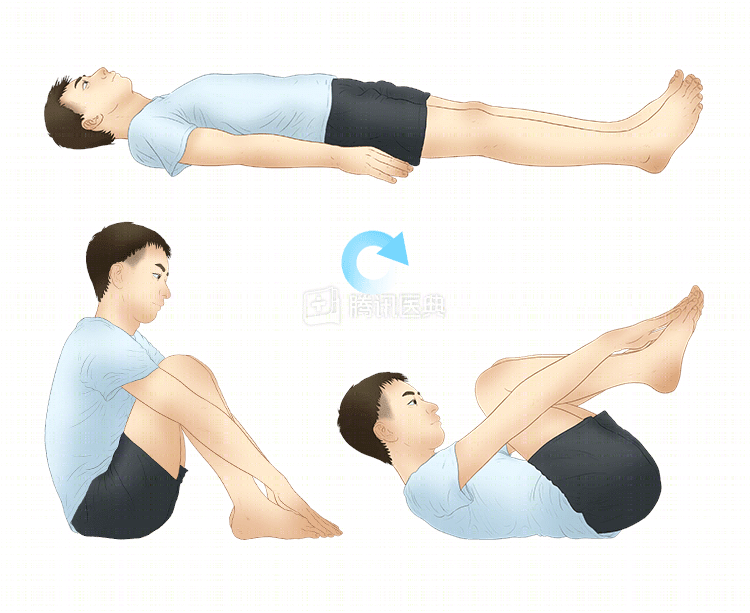
Second, the patient should be properly instructed to perform “pelvic floor exercises”, which are based on the principle that the patient should consciously perform contractions of the pelvic floor muscles, mainly the levator muscle.
- In the standing, sitting, or lying position, contract the anus during deep inhalation to produce a sensation of lifting the pelvic floor muscles, hold the breath for 5 seconds, and then slowly exhale and relax the anus for 1 group in the morning, 1 group in the afternoon, and 1 group in the evening.
.
Patients who strengthen their pelvic floor muscles before surgery can reduce the incidence and duration of postoperative urinary incontinence, and the earlier they start exercising, the more effective the results will be.
Finally, a very small number of patients may develop intractable incontinence, and then acupuncture treatment is also an optional treatment.
Erectile dysfunction
The age of onset of prostate cancer is becoming younger, and the loss of sexual function after surgery can create a lot of distress in this group of patients. Erectile dysfunction is caused by a variety of factors, including the degree and extent of tumor invasion and whether the nerves that affect erectile function are preserved intraoperatively.
In recent years, laparoscopic radical prostate cancer surgery with the assistance of the da Vinci robot can achieve the results of anatomic radical prostate cancer surgery, and this complication can be greatly avoided by preserving the lateral ligaments containing the erectile nerve as much as possible while ensuring complete removal of the prostate tumor.
Once erectile dysfunction occurs postoperatively:
- First of all, it is still important to achieve psychological counseling, to obtain the support of the patient’s wife, and to help the patient build self-confidence to avoid sexual dysfunction due to psychological factors. The recovery of erectile function after surgery also takes time, with 70% to 80% of patients recovering within 1 year after surgery.
- Second, oral medications such as Viagra (sildenafil citrate tablets, commonly known as Viagra) can help restore erectile function after surgery.
.
Other complications
Including rectal injury, lower extremity deep vein thrombosis and pulmonary embolism, rupture of the vesicourethral anastomosis, urinary fistula, bladder neck stricture, and difficulty in urination, the incidence of these complications is very low in today’s advanced medical world. As long as you go to a regular hospital and receive regular treatment, you can basically avoid them.
Summary
Overall, postoperative complications are not terrible, and patients and families should just communicate fully with their healthcare providers, deal with them actively, and cooperate with treatment and exercise.
Related articles: