A little secret about blood glucose
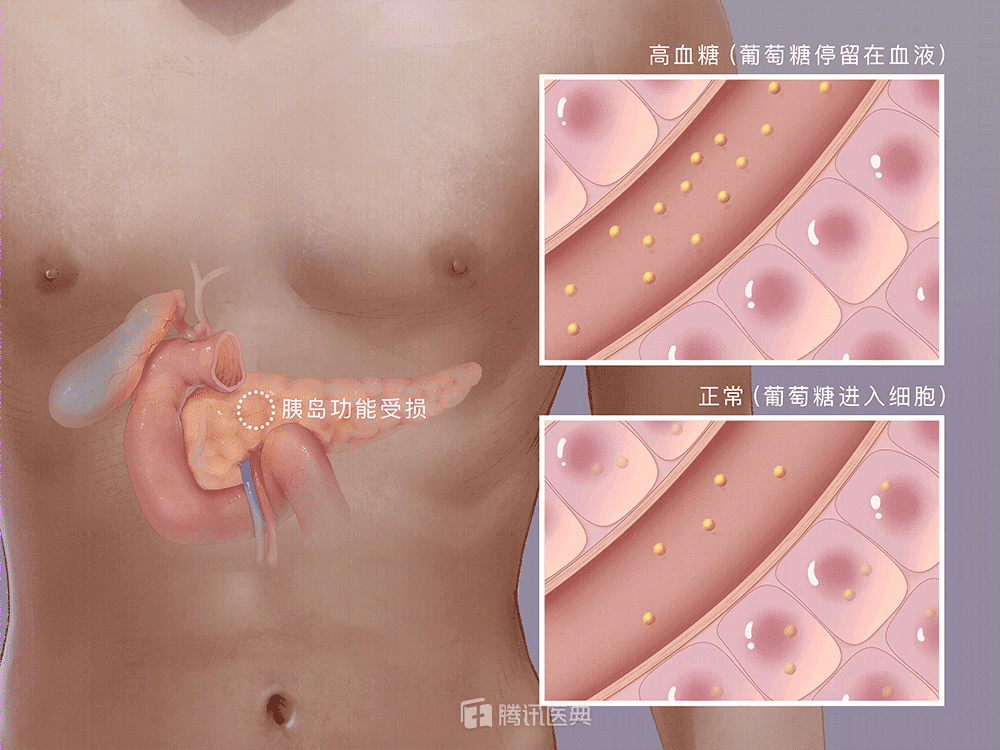
When we ingest food, starch-containing foods (such as rice) are broken down in the digestive tract by a variety of catalysts (enzymes) into glucose, which is absorbed into the bloodstream in the intestine. Once in the blood, some of the glucose is consumed directly by the cells to maintain normal body metabolism, and some is stored as energy for future application.
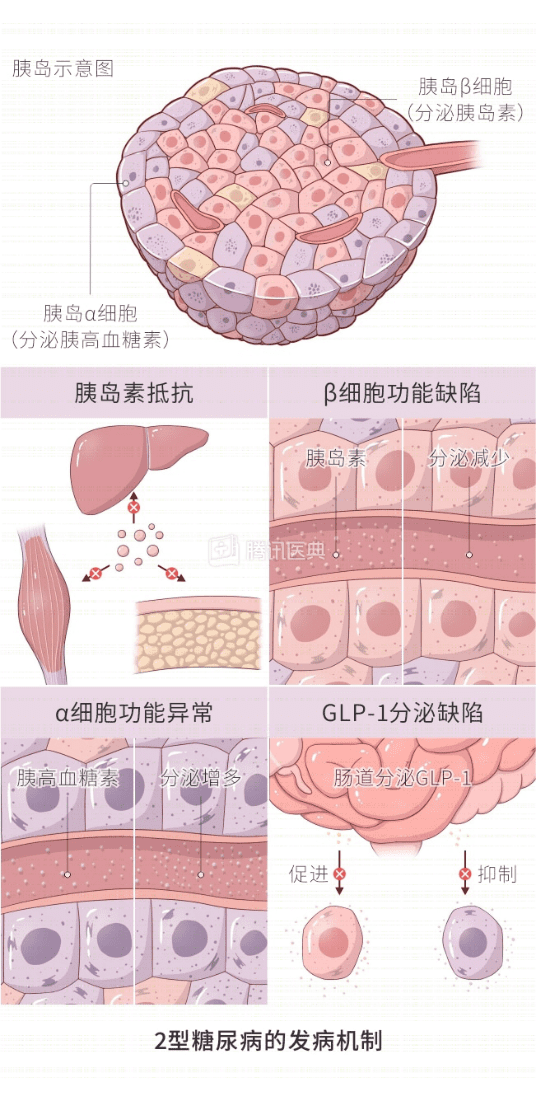
Insulin, which is secreted by the pancreas, is the key that opens the door for blood glucose to enter the cells, and people with type 2 diabetes have problems opening the key because of insufficient insulin secretion and a combination of insulin resistance that causes elevated blood glucose.
How does type 2 diabetes occur?
Genetics, aging, obesity, lack of exercise, use of certain medications, and other causes of defective islet function lead to too little insulin production, not enough “keys” to open the door to process glucose efficiently, and increased blood glucose levels, leading to type 2 diabetes.
Some patients have enough “keys” to open the door, but the cells are not sensitive to insulin, so insulin does not work properly and blood glucose does not enter the cells to be used, which raises the concentration of glucose in the blood and causes type 2 diabetes.
Two mechanisms, decreased insulin production and insulin resistance, work together to cause type 2 diabetes.