Technically, radiotherapy can be divided into two-dimensional radiotherapy techniques, three-dimensional conformal radiotherapy techniques, and intensity-modulated radiotherapy techniques. Two-dimensional radiotherapy was created in the 1950s and is now used less and less. It is gradually being replaced by more advanced 3D conformal radiotherapy and intensity modulated radiotherapy techniques.
For a quick overview of the differences between the various radiotherapy techniques, read the table below:
| Differences between various radiotherapy techniques | ||
|
Technology name |
Technology for two-dimensional radiotherapy |
3D conformal radiotherapy technology, intensity modulated radiotherapy technology |
|
Benefits |
Relatively inexpensive |
Enables more concentrated radiation doses to esophageal lesions and lower doses to tissues and organs adjacent to the esophagus (mainly the lungs and heart), i.e., higher treatment accuracy and fewer side effects. |
|
Cons |
Poor treatment accuracy, rarely used today |
Somewhat more expensive |
1. Two-dimensional radiation therapy
During two-dimensional radiotherapy, the radiotherapist marks the area of irradiation outside the body, giving one or several fields of irradiation for a large area.
Because the diagnostic imaging and localization systems are in a two-dimensional plane, this irradiation is like “the blind man’s guide”. The wide range of irradiation makes two-dimensional radiation therapy look like “indiscriminate carpet bombing,” with normal cells around the tumor being destroyed by the radiation as if they were hostages.
Therefore, two-dimensional radiation therapy is less aggressive against tumors, but has significant side effects. This has left the public with the bad impression that radiation therapy is not very accurate and has a lot of side effects.
2.
2. Three-dimensional conformal radiation therapy
If two-dimensional radiotherapy is compared to the “age of the artillery” where it is difficult to distinguish between the enemy and the patient, then three-dimensional radiotherapy can be called the “age of the precision strike”.
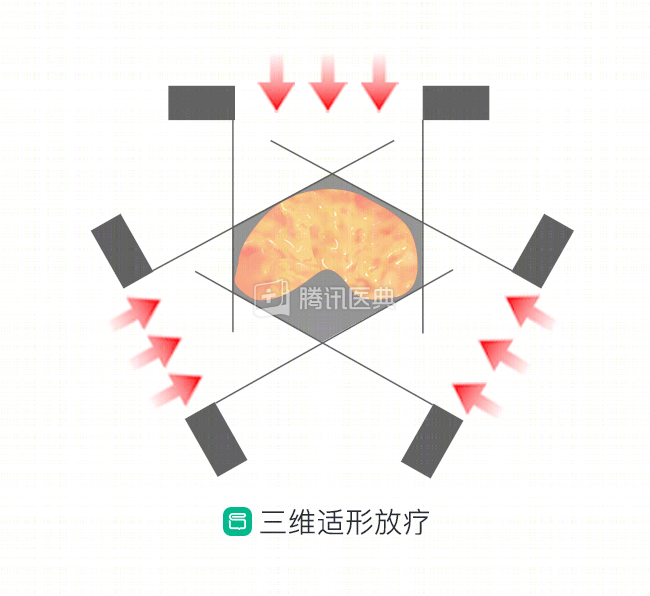
Three dimensional conformal radiation therapy (3D-CRT) uses CT images to reconstruct a three-dimensional structure and sets up a series of fields in different directions so that the shape of the field matches the shape of the tumor and the radiation is focused on the tumor, killing cancer cells with precision. This reduces the irradiation dose to normal tissues and reduces acute toxic side effects and late radiation damage.
In layman’s terms, 3D conformal radiation therapy is when a radiotherapist, physiatrist, and other medical personnel draw a box around the tumor in advance and then use radiation to irradiate the tumor tissue from multiple different angles to fit the shape of the tumor to achieve optimal treatment.
3. Intensity-modulated radiation therapy
Intensity modulated radiation therapy (IMRT) is based on three-dimensional conformal radiotherapy.
The two are similar in that they both use images to reconstruct a three-dimensional structure with a series of irradiation fields in different directions.
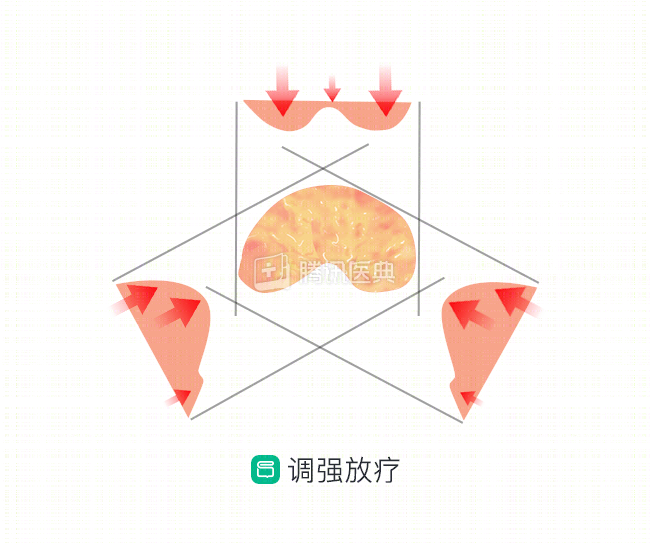
The difference is that 3D conformal radiotherapy gives the same dose at each point within a field, whereas intensity-modulated radiotherapy allows the dose at each point within a field to be set arbitrarily, thereby further increasing the dose to the tumor area and reducing the exposure to normal tissue.
In layman’s terms, the radiation used in intensity-modulated radiotherapy is finer and more dense than that used in 3-D conformal radiotherapy, allowing for more precise killing of tumor tissue by selectively increasing the radiation dose in certain directions.
The advantages of intensity-modulated radiation therapy are that it protects vital organs and has less adverse effects. It is currently the “backbone” of radiation therapy technology and is used extensively in radiation therapy for esophageal cancer.
Co-written by:
Dr. Rong Yu, Department of Oncology Radiotherapy, Peking University Cancer Hospital
Dr. Jing You, Department of Oncology Radiotherapy, Peking University Cancer Hospital