Radiotherapy is an important breast cancer treatment, but there are advantages and disadvantages, and radiotherapy may also bring some adverse effects, which are closely related to the specific site of irradiation and the dose of irradiation. Overall, the adverse effects caused by radiation therapy in breast cancer patients seem to be relatively mild compared to tumors at other sites, mainly local skin reactions, some patients may experience systemic reactions, and very few patients may have heart and lung effects.
It’s important to take care of prevention
The most important thing is to prevent the possible adverse reactions caused by radiotherapy. We must follow the doctor’s requirements and take good care to avoid serious radiotherapy reactions as much as possible so that radiotherapy can be completed successfully.
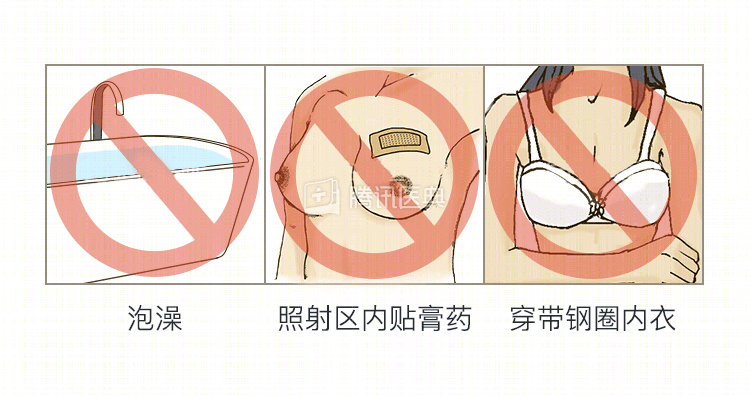
During radiotherapy, bathing should be avoided as much as possible, especially prolonged bathing or soaking in hotter water. The skin, breast glands, and other tissues will have corresponding microscopic level changes after radiation therapy, and although they may not be visible on the surface, unattended hot water rinsing or soaking at this time will aggravate the radiation therapy reaction, and some patients will suddenly develop large redness and swelling of the breast. Once this severe radiotherapy reaction occurs, recovery time is usually long and can cause discomfort.
Besides this, similar situations that may aggravate radiation therapy reactions should be avoided, such as the following:
- Rubbing the skin of the irradiated area with force;
- Applying topical medications without talking to your doctor;
- Applying plasters in the irradiated area;
- Use of irritating baths or soaps;
- Wearing undergarments with steel rings;
- Wearing clothes made of chemical fiber products close to the body. During radiotherapy and about six months after the end of radiotherapy, you should try to wear cotton soft underwear close to the body to reduce the irritation to the skin.
.
Adhere to review and be alert for abnormal blood indicators
There is also a need for follow-up during radiation therapy, usually with weekly blood tests and treatment if the results are abnormal. Mild abnormalities can usually be treated with oral medications, and severe abnormalities may require injections of leukocyte-raising drugs. In daily life, it is also important to pay attention to a healthy diet and to eat foods that have a “blood tonic” effect, so ask your doctor for advice and avoid taking supplements at will.
Strengthening self-protection
The body’s immune system is low during and about six months after radiation therapy, so it is important to keep warm, avoid colds and exertion, and avoid excessive exercise.
In addition, after radiotherapy, attention should be paid to long-term protection of the skin in the irradiated area of the breast, and if local folliculitis develops, it should be treated in a timely manner to minimize the possibility of skin breakage.